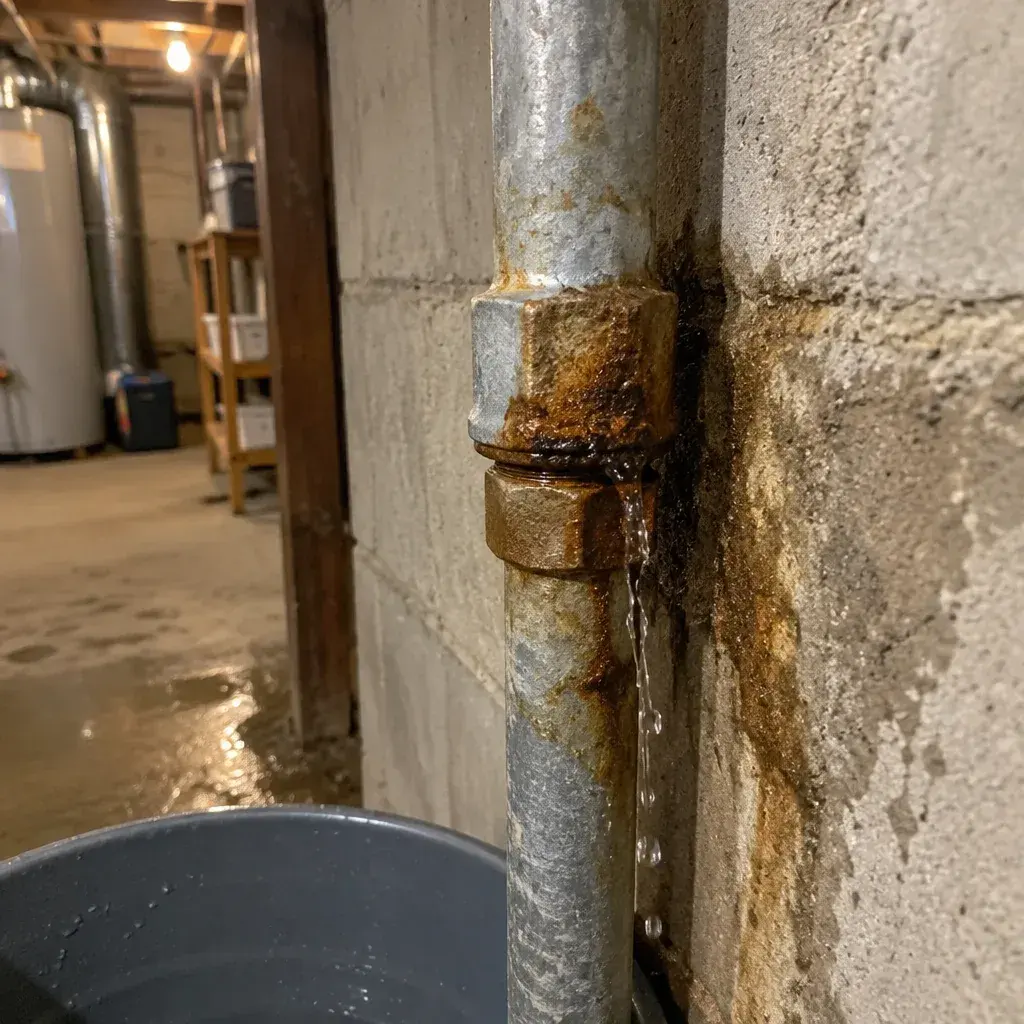
Pressure Changes Inside Home Plumbing
Kentucky frost and freezes can strain water lines in unheated or poorly insulated spaces. Frozen water can expand inside a line and put stress on pipe walls and joints. A cold spell is one possible cause, but inspection must establish what happened at a particular home.
Across Kentucky, homes near Toyota Motor Manufacturing Kentucky, South Main Street Historic District, and Morehead History and Railroad Museum face different winter conditions. Cold can contribute to a line break, while corrosion can weaken galvanized pipe over time. The break’s cause and nearby pipe condition require inspection; a landmark cannot predict either.
In Kentucky, requests come from households across standard street-delivery areas, including locations around My Old Kentucky Home State Park. The listed areas show where residential mail is delivered; share your address with the pros we connect you with to check local coverage.
How a Supply Line Is Repaired
- BREAK
- Galvanized steel may have rust or scale inside the wall even when its outer surface looks intact.
- CONDITION
- A localized fix depends on whether the pipe at both connection points can hold a secure joint.
- SCOPE
- Thread wear near the split can make a short replacement impractical even when the break looks small.
- ACCESS
- Pipe size and joint style guide the compatible replacement parts; the plumber checks the finished joints under pressure.
- VERIFY
- A localized cutout may work when the split is limited and nearby galvanized pipe remains sound; deeper corrosion or difficult access can change the repair.
- BREAK LOCATION
- During a Kentucky cold snap, water in a pipe exposed to an unheated space can freeze and expand, stressing the metal. A later warm spell may expose a crack as pressure returns. The season alone cannot diagnose the line.
- FREEZE EXPOSURE
- an estimated $275–$1,100
Choosing Compatible Parts for the Line
Galvanized pipe corrosion develops as the steel deteriorates, often leaving rust or scale. A burst is an opening through the pipe wall that releases water; corrosion may weaken the line, but rust by itself is not proof of a rupture. Copper pipe repair can look similar because both jobs involve replacing part of a water line. The material affects which fittings can join a replacement section to the existing line.
Safe Steps Before Pipe Assessment
The plumber locates the rupture, confirms the galvanized material, and identifies pipe size and joint type. They inspect reachable metal near the break for corrosion, scale, pitting, and thread damage. These findings show whether solid connection points remain for a localized repair or whether the damaged portion must extend farther.
The pro isolates the affected supply, traces moisture to the galvanized line, and opens access as needed to see the pipe route. They inspect its connection type and condition, then remove the failed span if suitable joints remain. Matching replacement material and fittings are installed; water is restored, and the repair is inspected for seepage.
A Kentucky repair may be complete once the damaged pipe is replaced, the line holds under pressure, and water flow is confirmed. If access to concealed pipe remains unfinished, another visit may be needed. Ask what must happen before the area can be closed; routine visits need a clear reason.
COMPARING A LEAK CORRECTION WITH REPEATED LINE ASSESSMENTS
| Repair Verification |
Repair Method |
|---|
| Recently spotted supply leak | Water cleanup separate |
| Leak resurfaces months after pipe work | Post-repair leak check |
| Leaks scattered through one supply system | Damaged run renewed; supply confirmed |
PERMIT SCOPEKentucky has a State Plumbing Code and plumber licensing rules. Keep any permit documents and repair records together for future reference. Check with the Kentucky Division of Plumbing or applicable local authority about the proposed scope. Ask for a written description of the work and parts installed.
Kentucky's Seasonal Freeze Conditions
A galvanized pipe burst can keep leaking, damaging nearby finishes and adding cleanup work. Corrosion near the break may leave too little sound pipe for a fitting, so the pros we connect you with assess adjoining metal before choosing a localized repair or section replacement. Across Kentucky, from My Old Kentucky Home State Park to General Burnside Island State Park and Pennyrile Forest State Resort Park, they check the repaired joint under pressure.
Note Changes in Water Pressure
You can note which fixtures lost flow and where water first became visible. Share whether rust-colored water or reduced flow appeared before the break. Describe whether water appeared to come from the pipe or from a connection. A qualified plumbing professional can assess the line and determine which connections remain usable.
Locating Breaks Beyond Visible Pipes
The immediate concern is water escaping while the line remains pressurized. A second concern is corrosion beyond the split: rust scale can narrow the passage and weaken nearby pipe. A local fix may stop the leak, yet service can remain poor if deterioration continues. If water reaches an area with electrical equipment, keep clear and seek appropriate help.
Is Water Cleanup Charged Separately?
Moisture can spread through nearby materials before a leak leaves a clear mark on the ceiling.A leak beside Shaker Village of Pleasant Hill may be visible; one near General Butler State Resort Park may be concealed. The $350–$1,300 band concerns plumbing work on the reported break. If tracing reveals more damaged pipe, scope can change. Cleanup, drying, and rebuilding are separate. In Kentucky, ask the pros we connect you with to confirm visit charges and included work.The pricing guide lays out possible charges; Burst Pipe Section Replacement explains the work involved once the broken section is assessed.