After-Hours Cost
Can an urgent call raise burst pipe repair costs in Kentucky? Learn what timing and emergency fees may cover, and what to ask before authorizing work.
Read article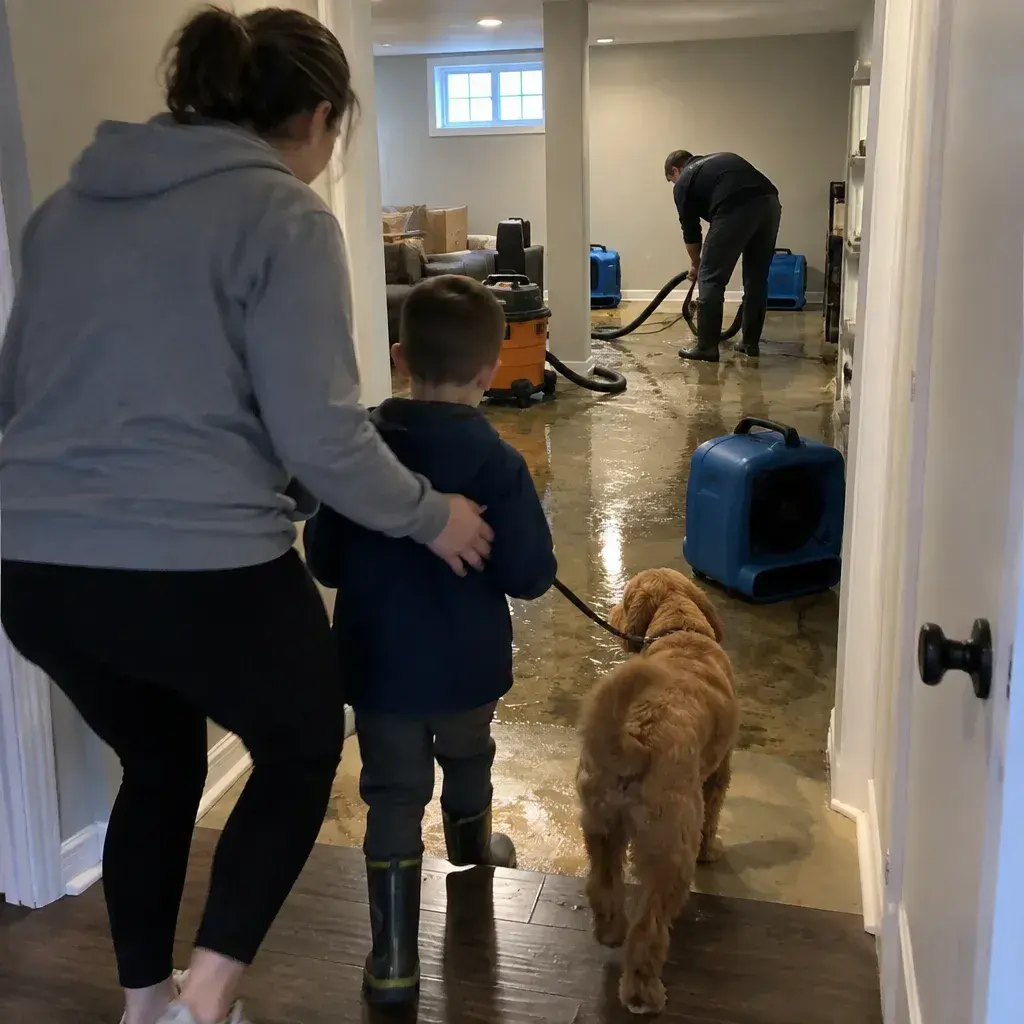
Keep valuables away from wet surfaces while the licensed pros we connect you with assess the leak.
A winter freeze can put water lines under strain in Kentucky, though conditions differ across the state. By the time you notice a sudden spray, a pool beside an exposed pipe, or water tracking across a ceiling, the supply may still be feeding the break. The state’s varied settings—from Kentucky Dam Village State Resort Park to Perryville Battlefield State Historic Site—span different local weather patterns. A leak near Toyota Motor Manufacturing Kentucky does not establish what happened in another home. The visible damage is a clue; the failed supply line still needs attention.
The repair sequence starts with the details you can report: the leak’s location, its visible pattern, and whether water is off. The pros we connect you with then check the affected supply and the pipe around the break. Access, pipe condition, and the parts needed shape the work and its cost. In Kentucky, freeze timing varies by location and terrain, so a cold spell may be relevant without proving why a particular line failed. A poor fit or weak nearby pipe can leave the leak unresolved when service resumes.
Kentucky's verified residential ZIPs define the service area for Emergency Burst Pipe Repair. Around Adairville, Alexandria and Allen, the home's condition still guides the repair; Lyndon and Northeast Louisville show the state's geographic range.
The occupancy sets the right guide: residential burst pipe repair serves homeowners, while commercial burst pipe repair is for landlords and operators arranging plumbing work elsewhere.
A fresh split in an exposed pipe gives the plumber a clear place to begin. In Kentucky, emergency burst pipe repair starts by identifying the valve feeding that line. The pros we connect you with stop flow when that valve is safe to operate. They inspect the break and match the pipe’s material, size, and connection. That check guides a compatible repair or section replacement. A pressure check can reveal leaks before service resumes. When calling a water shutoff plumber, report where water escapes and whether supply is off. Water near electrical equipment is another detail to mention during the call.
A fresh wet patch or ceiling stain can appear after water has moved away from the break. The mark alone does not show which supply line failed or how much pipe needs attention. In Kentucky homes, report when the patch appeared and whether it grows while water remains on. A musty odor or soft surface can indicate moisture has spread beyond the visible mark. Avoid opening a wall or ceiling yourself if the area may contain electrical wiring or other hazards.
When several taps lose force at once, escaping water may be reducing pressure through the home’s supply. That change is more useful alongside a visible leak than by itself, since low flow alone does not prove a burst pipe. Tell the plumber which taps changed and whether the drop began with the leak. In Kentucky, a clear sequence of events helps separate a supply break from an unrelated fixture issue and keeps attention on the damaged water line.
The plumber traces the supply route from the wet point and checks nearby joints to narrow down where the line failed before starting the repair.
The plumber checks which supply can be isolated and operates a shutoff only when safe. This limits additional flow before repair work begins.
With the line isolated, the plumber examines the break and nearby pipe, then matches the repair parts to the installed system.
The licensed pros we connect you with can explain what to watch for after water service resumes. This check helps confirm service can resume.
A pressurized break can keep sending water into a home while the supply remains on. Isolating the line limits further flow, but leaves affected fixtures without service until the pipe is repaired and checked. In Kentucky, varied freeze timing makes the weather useful context, not a diagnosis. Prompt attention helps contain the plumbing problem and gives you a clear account of what was repaired before water service resumes.
Kentucky’s plumbing rules include a state code and licensing framework for plumbing work. A burst-line repair still needs to be described accurately: the permit question can depend on whether the job repairs a leak or includes installation work. Ask what the proposed work involves and which requirements apply to that scope. The pros we connect you with can explain the work being considered. Do not assume the same permit answer applies to every repair across the state.
Before the work area is closed, ask how the repaired line was checked and whether water service is back to normal. The plumber can restore flow in stages and inspect the repair for seepage. If moisture remains or the line does not supply water as expected, the issue needs attention before the area is covered. Keep the repaired section accessible until the line has been checked and water flow is steady.
Ask the provider to explain any unfamiliar repair terms before agreeing to the planned work.
| Work Outline | Repair Steps | Cost Factors |
|---|---|---|
| Small split | Split line section repaired or replaced with pipe suited to the system | an estimated $350–$1,300 |
| One segment | Damaged length removed; suitable new pipe joined to the supply | an estimated $400–$1,690 |
| Long pipe run | Pipe repair scope near Lake Cumberland State Resort Park: locate, fix, check | an estimated $350–$1,300 |
| Concealed route | Visible split assessed before choosing a repair for the damaged area | an estimated $840–$5,200 |
In Kentucky, opening a concealed area can add work before the pipe is reached. A longer-lasting replacement part may also be an optional cost. Water removal and rebuilding can be separate from plumbing. Check the full pricing guide, then ask which tasks and choices appear in your estimate.
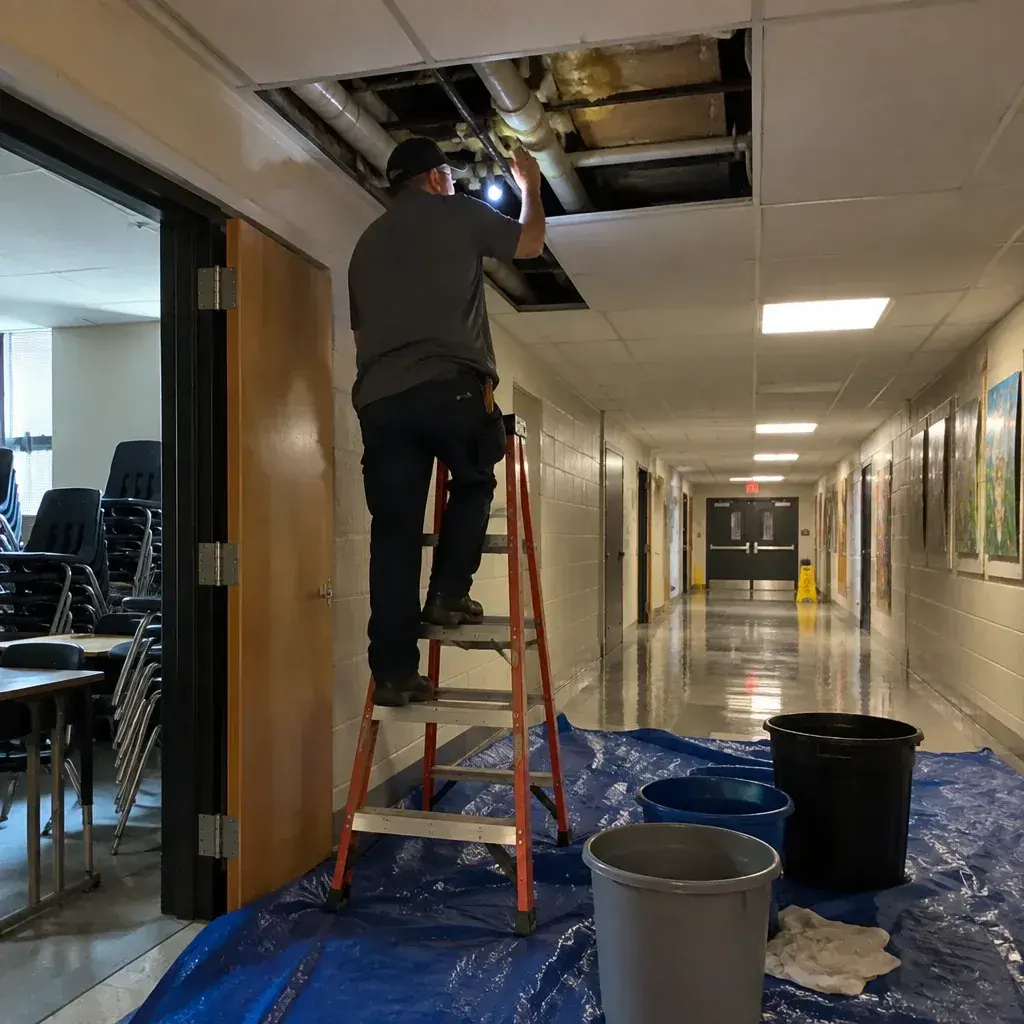
When a supply pipe ruptures in Kentucky, water can soak floors, wallboard, cabinets, insulation, and belongings. Ceiling stains may show up away from the break. Water may also collect inside walls before it becomes visible. They trace the wet area, access the damaged section, fit a compatible repair, then check for leaks before restoring flow. Keeping the supply off can limit water entering the damaged area. Drying may need another provider.
The plumber uses your description to narrow the inspection: where the leak began, when it appeared, and what changed in the home’s water service. They then trace the affected supply and examine the pipe at the likely failure point. Water may have moved beyond the break, so a stain or puddle does not settle the location on its own. Share whether any shutoff has been operated.
The repair method depends on the damaged line and the parts that can join it properly. Once the plumber can reach the break and water flow has stopped, the existing pipe’s composition, width, and joint design guide part selection. A clear view of the damage helps show how much pipe needs attention. The plumber may replace a length of pipe or use a suitable connector. The chosen repair must fit the installed supply system.
The estimate reflects how much pipe needs work, how accessible it is, and which compatible parts the job calls for. Time can also change if the damaged area is difficult to reach or nearby pipe needs attention. Ask what the quoted work includes and what could change after inspection. A plumber can give a more useful estimate once the break and access needs are assessed.
A clamp can reduce leakage on some exposed pipes, but it is a temporary measure and does not suit every break or pipe system. It cannot confirm that the surrounding line is sound. The plumber should assess the damage and decide whether a compatible lasting repair is possible. The right repair depends on the pipe material, break location, and condition of nearby sections.
The plumber can bring water back gradually, then inspect the repaired area as pressure returns. They should confirm that the joint stays dry and that water flows through the restored supply. If seepage appears, the line may need to be shut off again for more work. Watch for renewed dampness around the joint after water flow returns.
$350–$1,300 for this work is an estimate for Burst Pipe Repair. A break under finished surfaces may take added access work. The pros we connect you with locate it, assess repair or replacement, and confirm the cost.
Pipe repair stops at the plumbing line; ask separately about extraction, drying, and rebuilding after water spreads.
Can an urgent call raise burst pipe repair costs in Kentucky? Learn what timing and emergency fees may cover, and what to ask before authorizing work.
Read article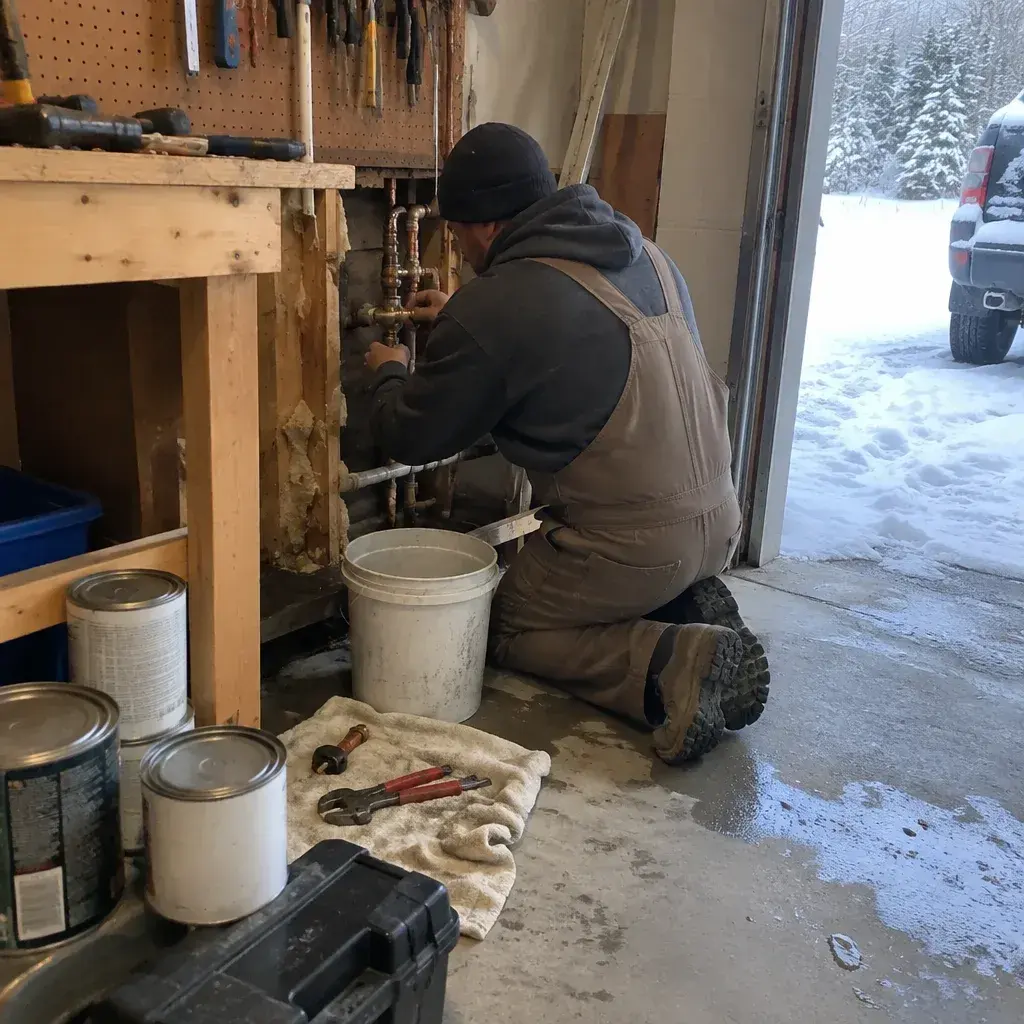
A broken line can interrupt water use until the damaged section is addressed. Learn how labor, compatible parts, and access shape the bill, and what to ask before work begins.
Read article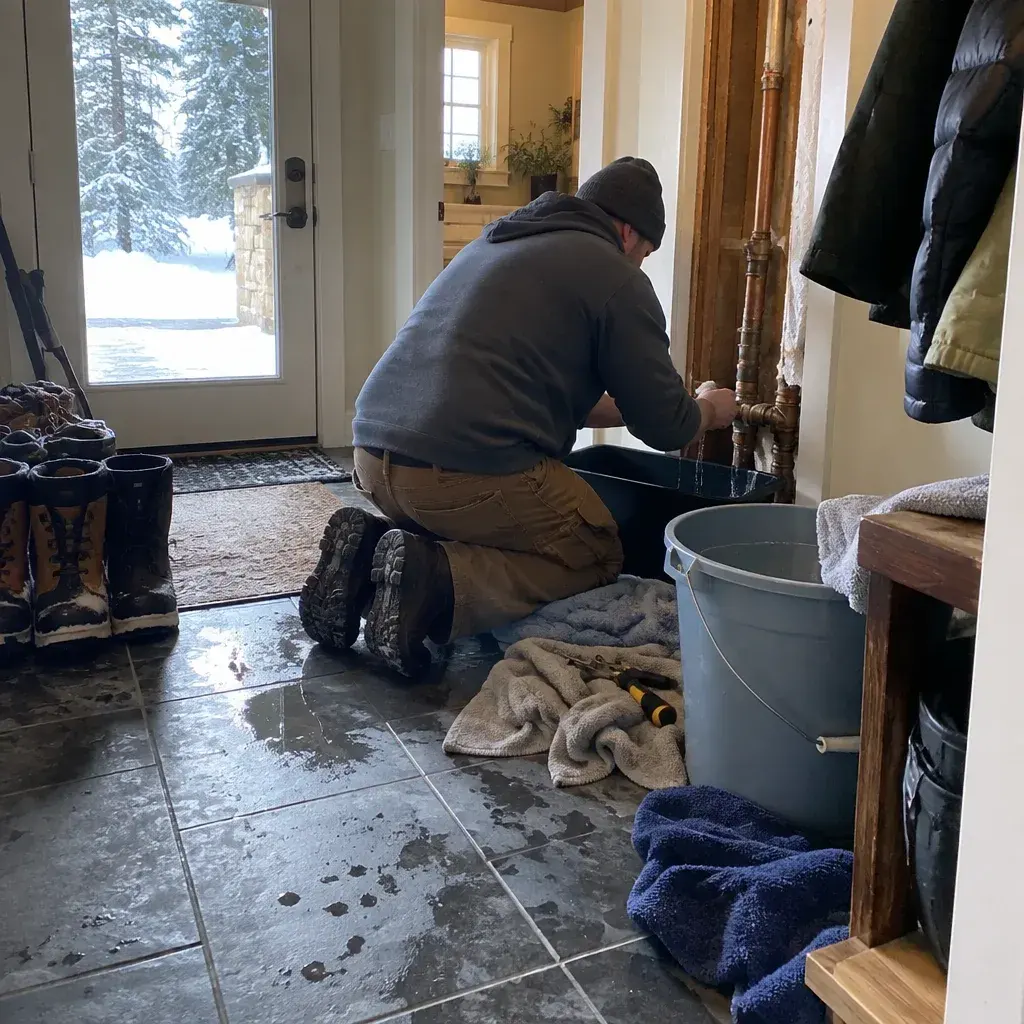
Kentucky burst pipe repair costs depend on access, compatible fittings, repair scope, and affected finishes. Learn what to clarify in the estimate before approving work.
Read articleWhen water showed up at your Kentucky property, the affected address helps the pros we connect you with consider whether they can take the request. Mention whether anyone has already turned off the water supply. Water may spread along a surface before appearing in the room below. Before work starts, ask for a written description of the plumbing repair, any separately priced tasks, and applicable warranty terms. Keep away from unsafe wet areas; operate a shutoff only if safe.
Call (502) 444-8278