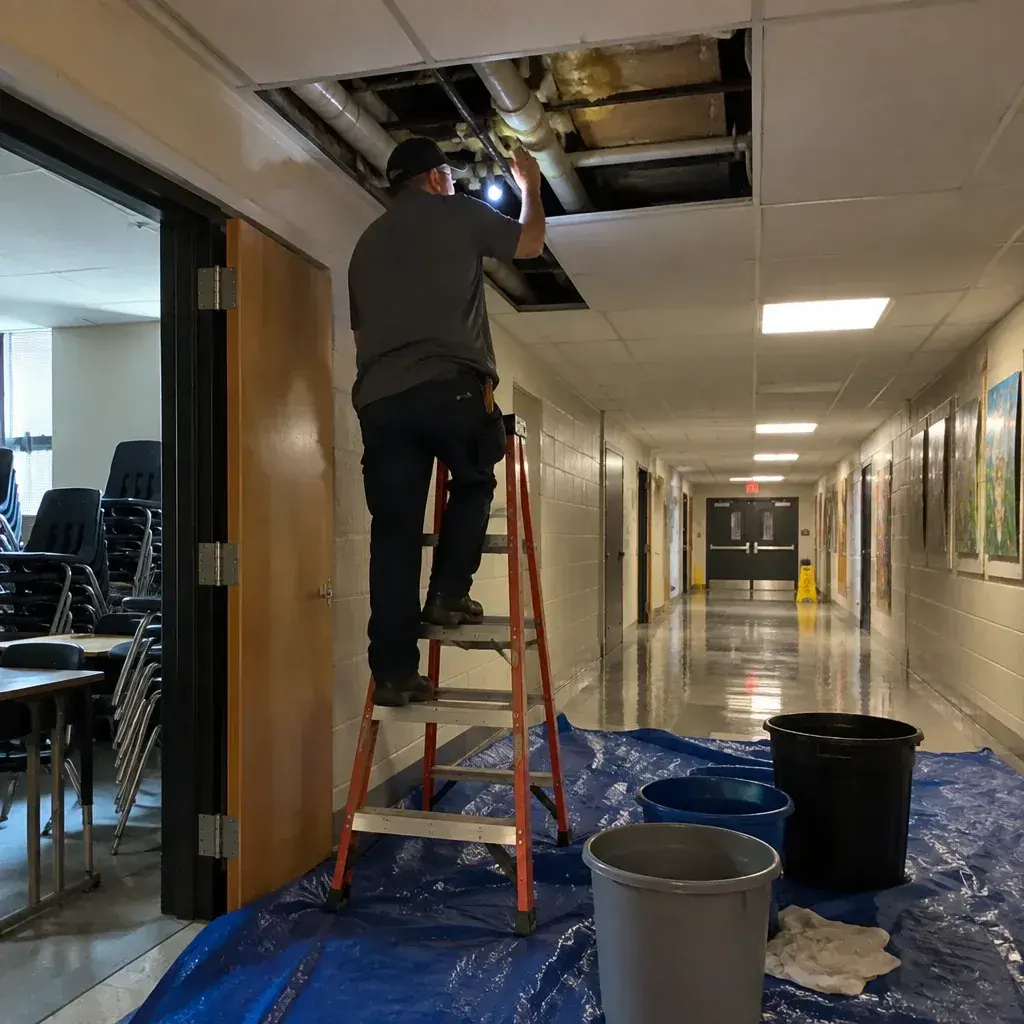
After-Hours Cost
Can an urgent call raise burst pipe repair costs in Kentucky? Learn what timing and emergency fees may cover, and what to ask before authorizing work.
Read article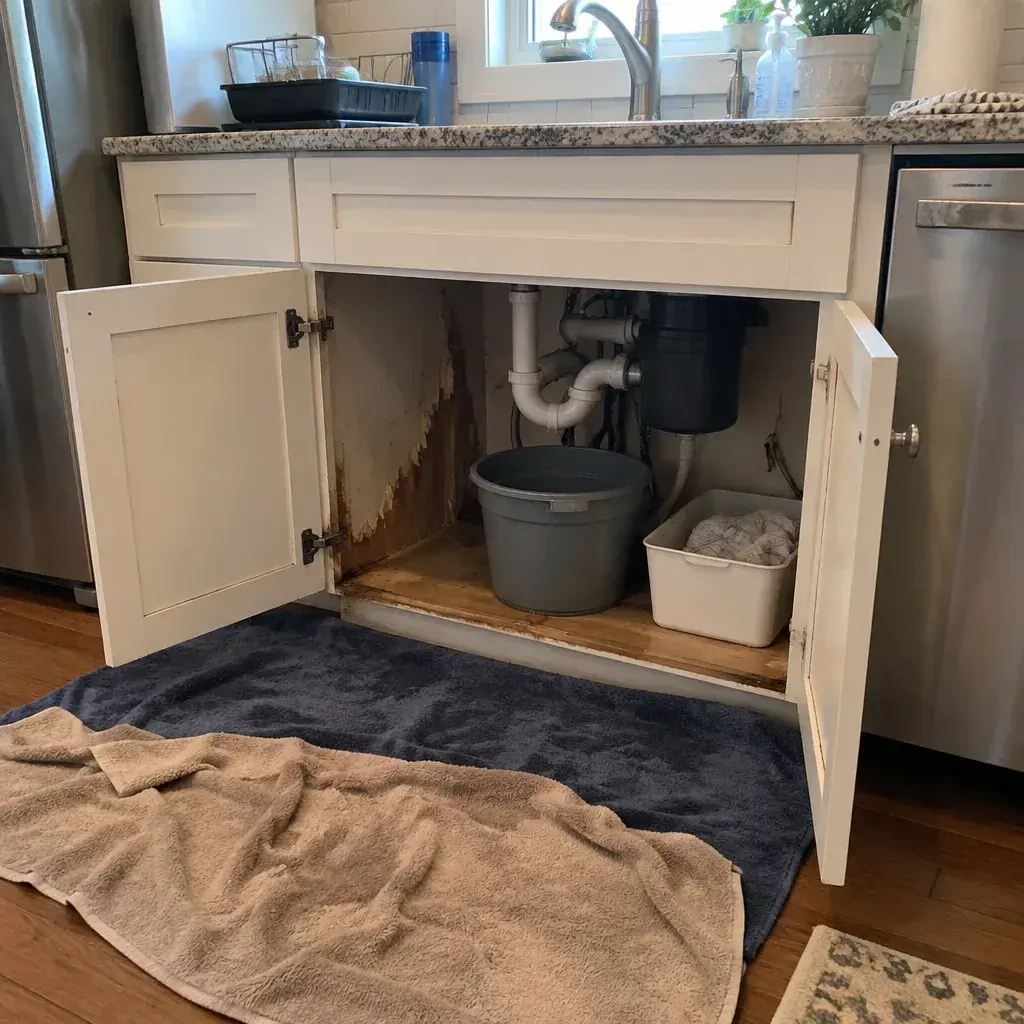
Trace a concealed supply pipe through clues, checks, and careful access.
After a Kentucky freeze, a ceiling stain or damp cabinet can appear far from the split supply pipe. Water may travel along framing before showing itself. A home near Lyndon can have a different pipe route from one near Pine Mountain State Resort Park, so the stain alone cannot pinpoint the break. If you can safely shut off the water, do so. Note where moisture first appeared and any meter or fixture changes. Those details give the pros we connect you with a useful starting point for hidden pipe leak detection.
The pros we connect you with can compare your observations with the visible supply lines and the building’s likely pipe routes. They may use listening or moisture checks before recommending a small, targeted opening. In Kentucky, the travel distance and access to the affected area can shape when an inspection happens and how long locating takes; no response time is guaranteed. The likely route, access needed, pipe material, and surrounding condition can affect the next step and its cost. Finding the break helps frame repair or replacement choices, but does not decide them alone.
Kentucky plumbing rules can matter when repair work changes an installation. Across Annville, Adairville and Alexandria, Burst Pipe Location leaves permit questions to the work planned; Shaker Village of Pleasant Hill and General Butler State Resort Park are state landmarks.
If the plumbing serves your household, start with residential burst pipe repair; property owners arranging work for tenants or a workplace can use commercial burst pipe repair.
A damp patch may sit far from the burst pipe. Water can follow a wall cavity or floor framing before it shows, so the stain marks where water emerged, not necessarily where the line split. In Kentucky homes, a plumber traces the wet path back toward likely supply-pipe routes, then checks the suspected area. The route helps narrow hidden pipe leak detection and can limit unnecessary opening. A home near Lyndon or Northeast Louisville may have a different pipe layout than one near Pine Mountain State Resort Park.
A stain on one ceiling panel may be the exit point, not the pipe’s position. Water can run along a joist, pipe sleeve, or other path before reaching paint or flooring. Across Kentucky, the same kind of mark can lead to different pipe routes in different buildings. Note the stain’s edge, any nearby wall dampness, and when each appeared. That pattern can guide moisture checks and reduce guesswork, while still leaving the actual split to be confirmed along the concealed line.
On the day a ceiling mark spreads or a wall edge darkens, note which surface showed moisture first. Water can travel along framing, then appear below or beside the damaged section. That sequence gives the plumber a starting point for checking concealed pipe routes and choosing where access may be needed. In Kentucky, the first damp spot is useful even if the wet area later grows. Homes near the Big South Fork Cumberland River and Louisville Muhammad Ali International Airport may have different layouts; inspection determines the route in each home.
The visit starts with a look at the visible damp area and nearby fixtures.
They compare the moisture pattern with visible supply lines and likely routes, then use listening or readings to narrow the suspected area.
Checks focus on the likely route before any opening; if evidence points behind a surface, the plumber explains targeted access needed to confirm the split.
After locating the damage, the plumber explains compatible repair and replacement options, access needs, and any permit questions tied to the proposed work.
A damp ceiling or wall can conceal a burst supply pipe, and water may keep moving through framing before the damage becomes obvious. Kentucky homes do not share one pipe layout, so a stain cannot reliably identify the split. Locating the source helps limit unnecessary opening and gives you a basis to weigh a compatible section repair against replacement. Plumbing work addresses the line; removing water, drying materials, and restoring surfaces may require separate providers.
Kentucky homes span cities, smaller communities, and rural areas, and their concealed supply routes vary. A property near Big South Fork Cumberland River may present different access from one near Kentucky Dam Village State Resort Park; the place name does not reveal the plumbing layout. State plumbing rules address regulated work and permit requirements, but not every leak repair calls for the same permit. The scope of work matters. Ask the plumber whether the planned access or pipe work changes what approvals apply to your property.
In Kentucky, locating the split is a separate decision from choosing how to address it. Once exposed, a short damaged section in sound, accessible pipe may suit a compatible repair. Replacement may make more sense when the section’s condition or connections make a limited fix unsuitable. Material, size, connection type, access, and surrounding condition guide that discussion. If replacement or opening concealed construction is proposed, ask what the inspection confirmed and what permit steps apply to that specific scope.
Kentucky burst pipe location estimates for Kentucky are budget guides; have your provider identify the call fee and list the pipe work the quote covers.
| Service Boundary | Material Choice | Completion Check |
|---|---|---|
| Narrow rupture | Failed connector renewed while serviceable supply pipe stays in place | an estimated $125–$500 |
| Local section | Fitting replacement matched to the existing pipe and connection | an estimated $145–$650 |
| Extended renewal | Water marks near Oakland-Freeport Historic District traced back to the break | an estimated $125–$500 |
| Behind-surface reach | Sound pipe remains; a failed joint receives a compatible fitting | an estimated $300–$2,000 |
The plumbing work may finish before wet surfaces are ready to close. In Kentucky, ask whether your estimate covers only the pipe repair or also water removal, drying, and rebuilding. Optional parts with a longer service life can add cost; the full pricing guide explains common price factors.
The plumber uses your timeline, meter or fixture observations, and the first damp area to narrow the search. They compare those clues with accessible supply lines and likely routes through the building. Listening and moisture checks can help focus the inspection. In Kentucky, the route and access differ by property, so the stain alone is not enough to name the break. If needed, a targeted opening can expose the suspected section for confirmation.
It can show that water may still be moving through the supply system while fixtures are idle. It cannot tell whether the leak is behind a particular wall, ceiling, or floor. Share what you observed and which fixtures were off. The plumber can compare that information with moisture patterns and accessible pipework to narrow the likely branch before deciding whether more focused detection is needed.
No. A stain by itself cannot confirm that the source is a plumbing leak. Water can follow framing or other concealed paths first. A plumber checks the surrounding moisture pattern and compares it with the likely supply route. That evidence helps target inspection and any access work without assuming the stain sits directly beneath the damaged section.
Often, the search can begin with meter observations, listening, moisture checks, and visible pipe routes. Those checks may narrow the likely area before an opening is considered. The plumber may compare damp areas with fixture use to see whether the pattern changes. The access plan and concealed route affect the work involved and its cost.
Closing a safe, reachable shutoff can limit continued water flow. Use the main valve if you cannot identify a valve for the affected line and can reach it over a dry, clear route. If access is blocked or unsafe, leave the valve alone and tell the plumber when you arrange the inspection. Note where moisture first appeared. Once the burst location is found, the plumber can assess whether a compatible repair or replacement of the damaged section is appropriate.
Finding the split identifies the section to assess; it does not settle whether repair or replacement suits the line. A plumber considers the pipe material, size, connections, condition, and access. A compatible repair may suit localized damage in otherwise sound pipe. Replacement may be appropriate when the affected section or its connections make that option unsuitable. Ask what the inspection established before approving the scope.
The estimate $125–$500 for this work for Burst pipe location can change with pipe location and the work needed to reach it. In Kentucky, the pros we connect you with assess repair or replacement before confirming the cost.
Cold snaps can damage exposed pipes, so protect plumbing before temperatures drop.
Can an urgent call raise burst pipe repair costs in Kentucky? Learn what timing and emergency fees may cover, and what to ask before authorizing work.
Read article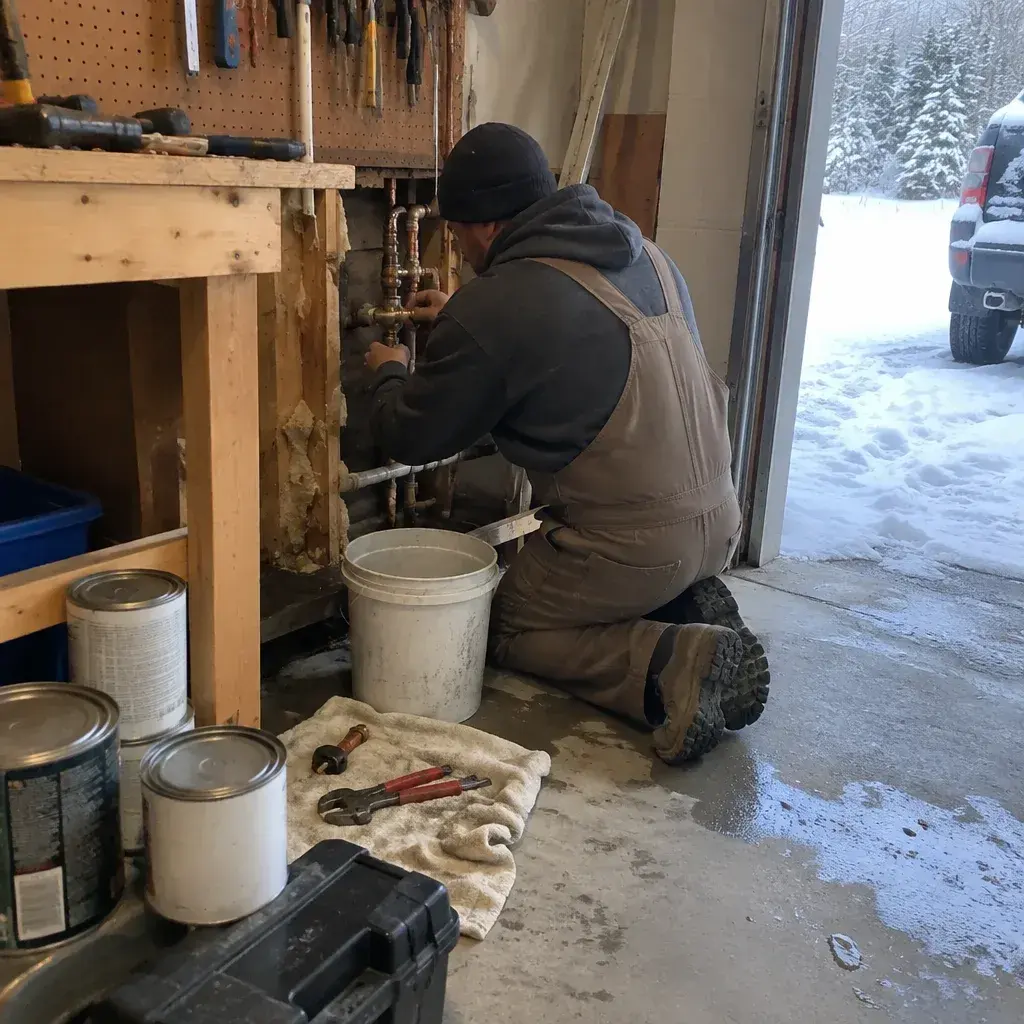
A broken line can interrupt water use until the damaged section is addressed. Learn how labor, compatible parts, and access shape the bill, and what to ask before work begins.
Read article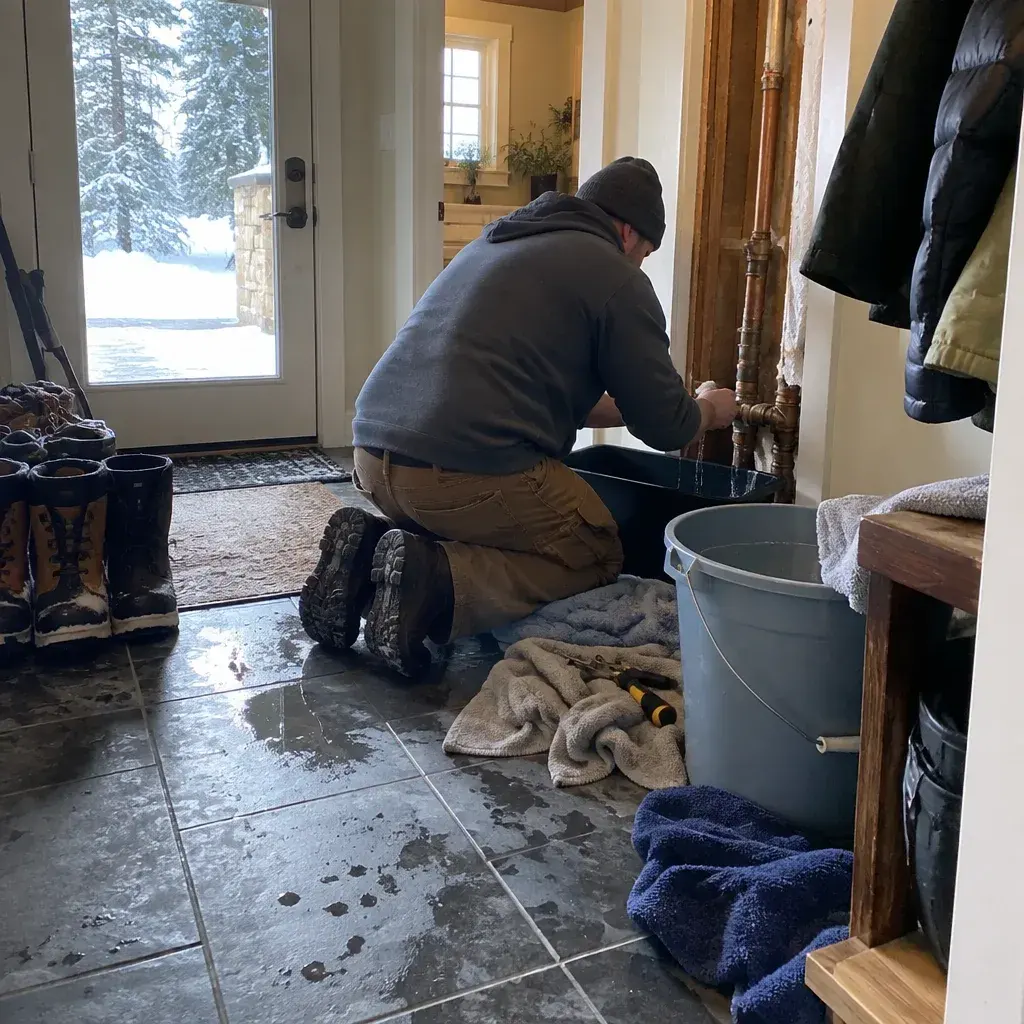
Kentucky burst pipe repair costs depend on access, compatible fittings, repair scope, and affected finishes. Learn what to clarify in the estimate before approving work.
Read articleWhen water showed up at your Kentucky property, the affected address helps the pros we connect you with consider whether they can take the request. Mention whether anyone has already turned off the water supply. Water may spread along a surface before appearing in the room below. Before work starts, ask for a written description of the plumbing repair, any separately priced tasks, and applicable warranty terms. Keep away from unsafe wet areas; operate a shutoff only if safe.
Call (502) 444-8278