Pipe Location and Access Work
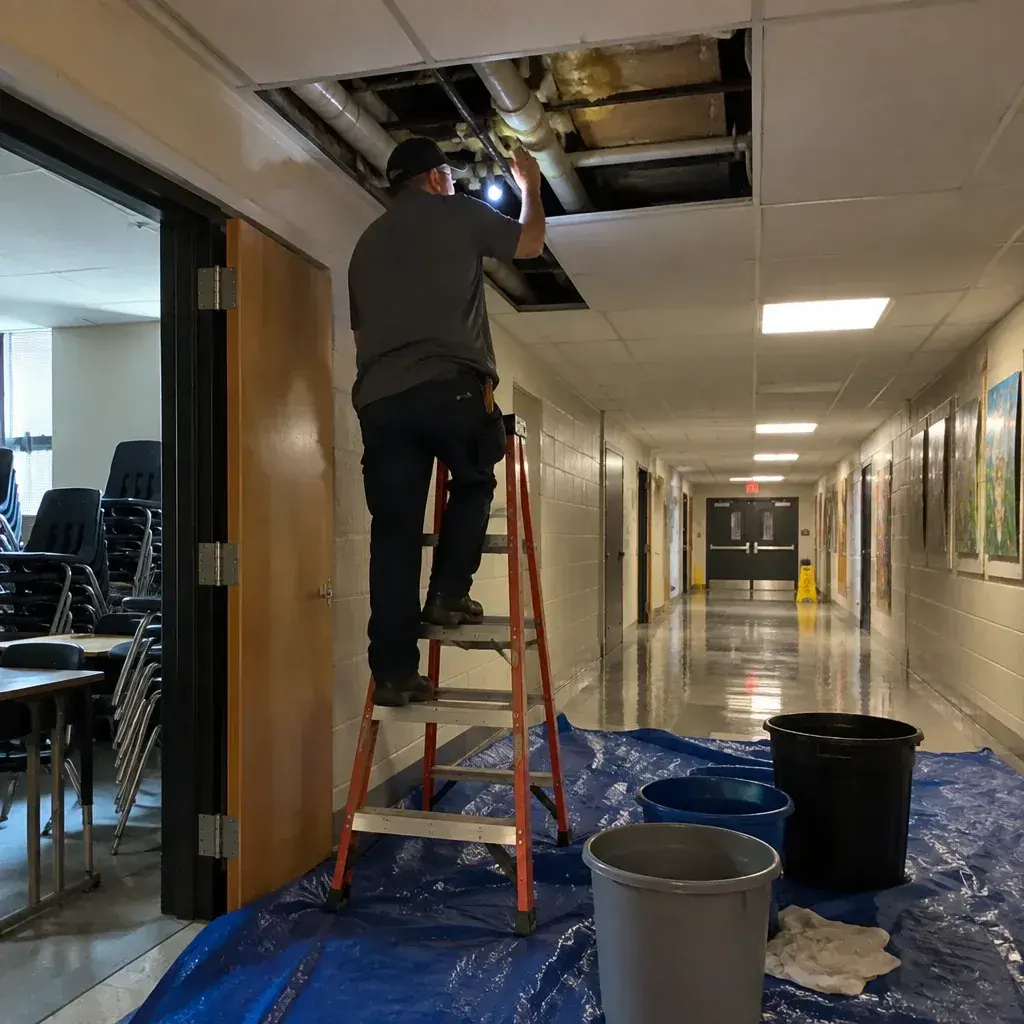
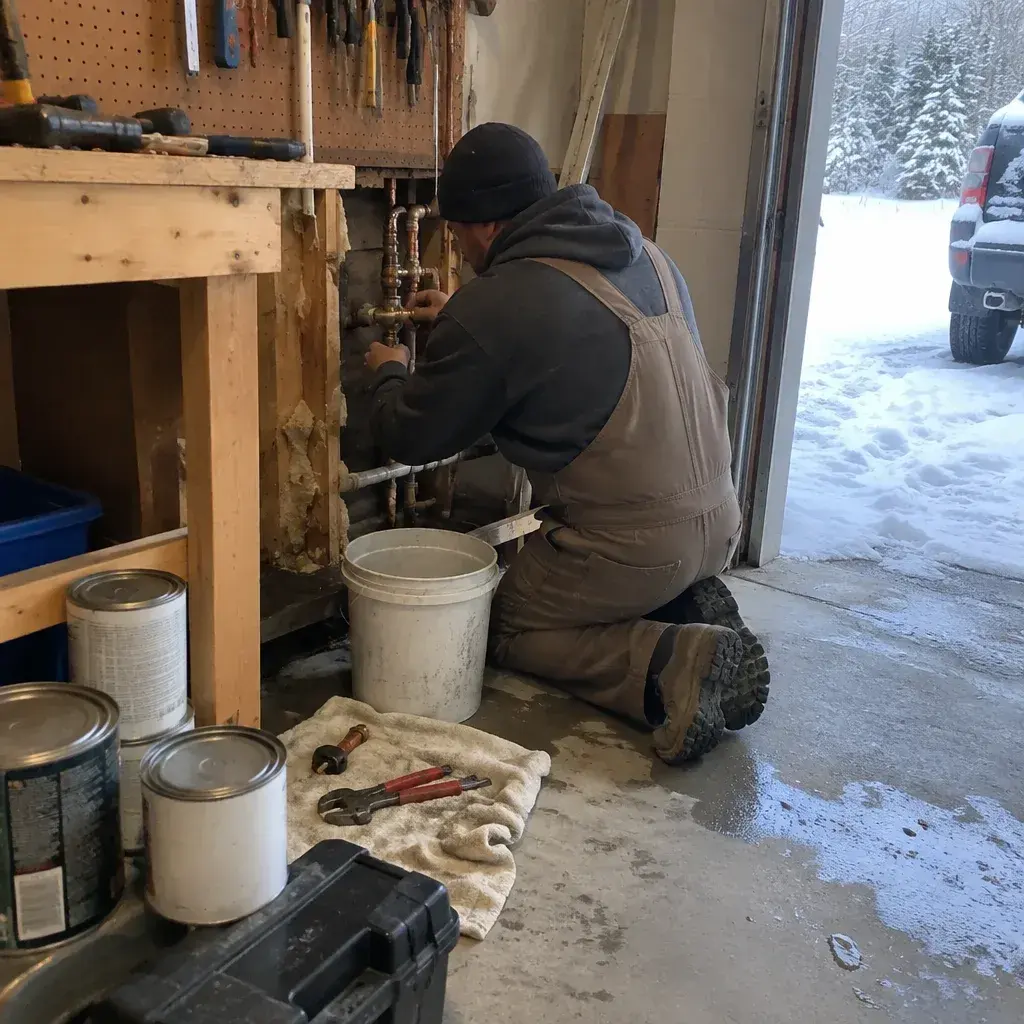
When water surfaced after a pipe failed, hidden work shaped the estimate. In Kentucky, a visible split may need less opening than a line beneath a floor or ceiling. The pros we connect you with assess damage extent, suitable repair method, and whether the section needs replacement. From Shaker Village of Pleasant Hill to Pine Mountain State Resort Park and Cathedral Basilica of the Assumption, access depends on the building, not its landmark. Ask which factors the quote includes and what could change its scope. Drying and rebuilding may be separate work.
A ceiling mark can form away from the failed pipe because water travels before it appears. In Kentucky, finding the source may mean tracing the line beyond the visible damp area. That search helps identify where access is needed and which finishes could be opened. A clear pipe location gives you a basis for understanding the labor in the estimate. Ask what the estimator has confirmed and which access assumptions remain unverified.
Materials and Pipe Condition
The pipe's material, size, and joint system determine which fittings can connect safely. Kentucky homes may have copper, PEX, CPVC, or other approved supply lines, and parts must suit the installed system. An estimate can change when the needed connection differs from the one first expected. Ask the estimator to name the material and fitting type assumed in the quote. That detail helps explain the materials allowance without relying on a guess from the visible leak.
A split beside a sound run may allow a localized repair. In Kentucky, weakened pipe around the break can make that approach unsuitable. The plumber also needs room to make a clean cut and secure the connection. That changes the amount of pipe and fittings required. The repair description should identify which section of line is being replaced.
Repair Scope and Estimate Assumptions
A pipe repair estimate should show which tasks make up the planned work. In Kentucky, plumbing rules apply to some installation work, while leak repairs have a stated exception. The work being proposed matters, so do not assume the same permit path applies to every job. Ask the estimator to describe whether the plan repairs a leak or replaces piping, and confirm any applicable requirements before work expands. This keeps the quoted scope tied to the actual repair.
The estimate also rests on what the plumber can see before opening the line. In Kentucky, ask which findings could change the quoted scope once access begins. The answer should connect any added work to a condition found at your property. You can then decide whether to approve that change before it proceeds. This makes the original assumptions clear and gives you a practical way to review any revised estimate.
Wet Finishes Beyond the Pipe
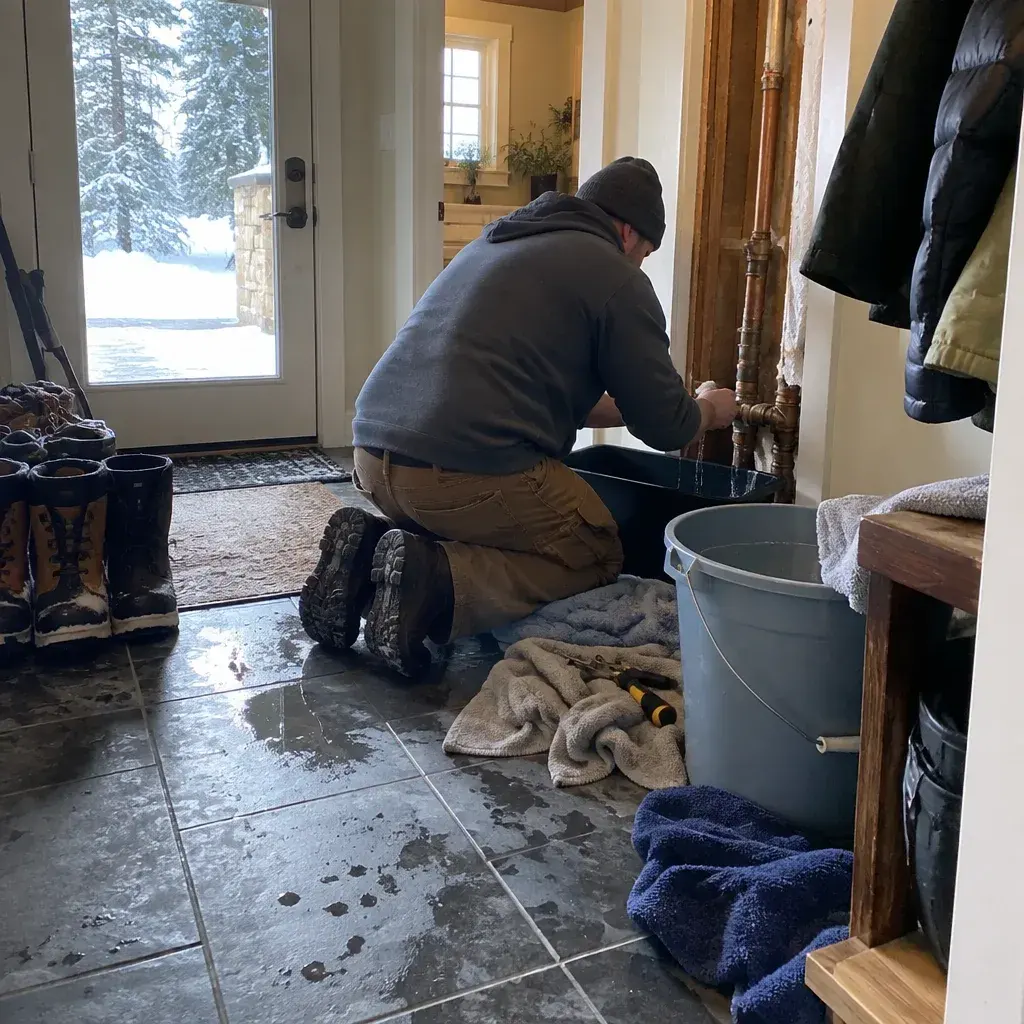
A burst can wet flooring, wallboard, or cabinets beyond the pipe itself. In Kentucky, the plumbing estimate may cover restoring the water line without covering repairs to those finishes. The affected materials may need a separate assessment after the leak is controlled. Ask which building work, if any, appears in the quote. Water left in enclosed materials can continue affecting the room after the line is fixed.
Before approving work in Kentucky, ask the estimator to walk through each included task and its reason. Have them point out the access assumption, parts selection, repair method, and any finish work listed. Then ask what new finding could change the scope and how that change would be presented. These questions connect the quoted work to conditions at your property. They also leave you knowing which costs belong to the pipe repair and which need separate attention.
Dealing with a burst pipe in your home?
Water after a pipe break can keep spreading while the supply line remains pressurized. In Kentucky, frost and freezes can contribute, but the cause needs checking at your property. Water can soak into nearby materials before the full damage is visible. Pipe repair locates and fixes the line; extraction, drying, and rebuilding are separate restoration work. Stay clear of electrical hazards, and ask about concealed damage before access work begins.