Availability varies — call to confirm. · (502) 444-8278
Hot Water Pipe Burst Repair in Kentucky
Hot Pipe Response

Kentucky Burst Pipe Repair for Hot Water Lines

Kentucky’s cold months can expose plumbing in unheated spaces to freezing conditions, while repeated hot-water use brings temperature changes to supply lines year-round. The season may help explain timing, but the plumber must inspect the affected pipe to determine what happened.

SAFE SHUTOFF

The plumber identifies the leaking hot-water run, stops its flow when safely possible, and selects a compatible repair for the installed pipe. After repairing the break, they restore hot-water delivery and check the affected fixtures and line for continued leakage.

WATER SHUTOFF

How Continued Flow Spreads Damage

A visible, audible, or physical change near plumbing often gives people their first reason to seek help.

Steam clouds a nearby pane after a hot tap runs.

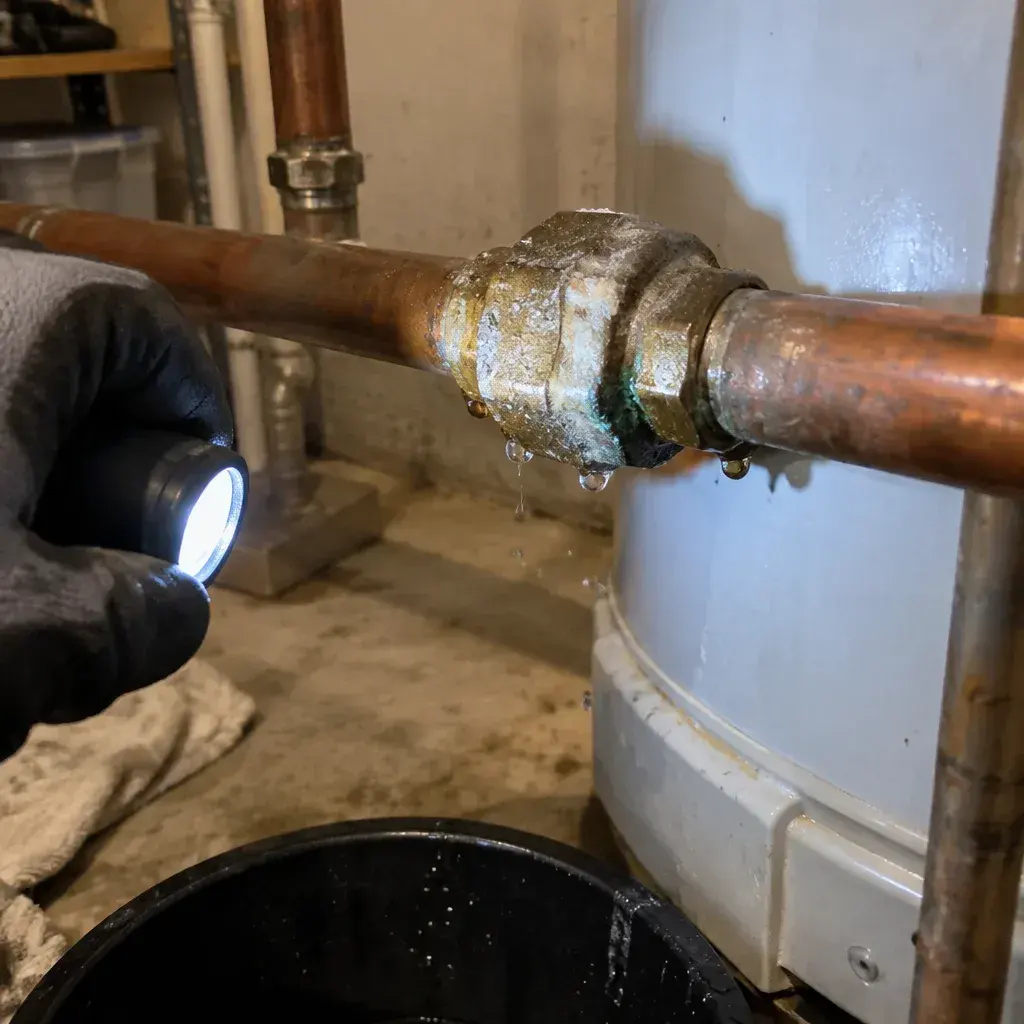
A split or spray from a pipe carrying hot water can keep feeding moisture into the property. Heat raises the burn risk, so stay back and keep others clear. Water can soak nearby materials even when the spray is narrow. Tell the plumber where the spray began and whether it changed when fixtures stopped running.

The hot-side tap loses force before cold taps do.

A heater that starts replenishing hot water more often after a leak appears may be replacing water lost from the supply line. That can continue even without a tap running. Note the change and when it began; the timing helps the plumber connect the heater activity with the suspected hot-water branch in your Kentucky property.

A damp ring forms around the heater’s outgoing line.

A warm surface beside a new wet patch may indicate that hot water reached it, but the visible spot may not sit directly beside the break. Keep clear rather than touching the area. Record which room and fixtures were in use; that can help the plumber narrow the route and reduce time spent locating the leak.

The floor warms beside a pipe after water use stops.

Moisture that returns while hot-water fixtures are idle suggests the line may still be releasing water between uses. Continued flow can enlarge the damp area, so note how quickly it returns and whether it spreads. Share that pattern with the plumber in Kentucky; it helps distinguish an active supply leak from a one-time spill.

Paint lifts along a wall above the hot-water branch.

Warm water near a pipe can point to the hot-water side, though warmth alone cannot locate the break. If flow continues while taps and hot-water equipment are idle, tell the plumber; supply pressure may still be feeding the leak. Water can travel along nearby surfaces, so the damp area may extend beyond the pipe leak.

Cold Weather Risks for Household Pipes

Kentucky spans varied terrain, and eastern areas have documented frost and freeze conditions. The route and insulation around a hot-water pipe can matter when assessing a leak. The plumber needs the property’s actual pipe route to assess the cause.

From properties near Morehead History and Railroad Museum to those near General Burnside Island State Park, buildings have different layouts and pipe access. Kentucky’s statewide setting does not establish a particular home’s plumbing material or condition; inspection of the affected hot-water line guides the repair.

Across Kentucky, homeowners seek help from the pros we connect you with for homes in standard delivery areas. A leak can interrupt ordinary household routines even when its source is difficult to identify.

Matching Pipe and Fittings

Leak Clue
Hot spray from a leaking line can burn before it cools; keep people away from its path.
Valve Reach
The first wet spot can help narrow down where the hot-water line is leaking.
Line Match
Tracing the route can help identify which section of the hot-water line needs attention.
Heat Risk
After work, check whether the affected fixtures deliver hot water and whether moisture returns.
Flow Restore
The plumbing repair stops the leak; drying wet building materials may call for separate work.
REPAIR SCOPE
Kentucky’s cold months can expose plumbing in unheated spaces to freezing conditions, while repeated hot-water use brings temperature changes to supply lines year-round. The season may help explain timing, but the plumber must inspect the affected pipe to determine what happened.
REPAIR CHOICE
an estimated $275–$1,100

Tracing Moisture Back to Its Source

Water heater leak. A puddle near a water heater does not by itself show where the leak starts. A hot-water supply pipe carries water onward to fixtures, so the wet area may appear away from the heater. A drain leak tends to show up as water passes through a sink, tub, or other fixture. A hot supply leak can leave moisture even when fixtures are idle. Track whether the patch grows during that quiet time, and note any recent hot-water use.

Matching Parts to the Existing Line

The plumber asks when the leak began and whether it continues between hot-water uses. They follow the affected supply from the heater, inspect accessible pipe and fittings, and identify the material and connection type. That determines where the damaged run can be reached and which repair method suits the existing system.

Once flow is stopped and the line is ready for work, the plumber removes the failed portion or makes another compatible repair. They secure the connection, restore water gradually, and observe the line as hot water returns. The affected fixtures are then checked for delivery, while the surrounding area is reviewed for signs of renewed leakage.

In Kentucky, a single visit can resolve a contained break when the plumber can reach it, fit the repair, and check for leaks. If the surrounding line also shows damage, ask for its location and proposed next step. Ongoing inspection is useful only when the assessment identifies a reason to continue.

ONE-TIME BURST REPAIR COMPARED WITH RECURRING PIPE CHECKS
Repair Verification Repair Method
Recently spotted supply leakWater cleanup separate
Leak resurfaces months after pipe workPost-repair leak check
Leaks scattered through one supply systemDamaged run renewed; supply confirmed

Keep a Clear Path for Assessment

Keep people away from hot spray and standing water. From a dry, clear location, note when the leak began, which hot fixtures were in use, and whether water continues during idle periods. Note whether the spray is visible or only dampness appears nearby. Leave pipe work and leak access to the plumber.

Electrical Risks Around Leaking Water

Hot spray can scald, and a recently leaking pipe may leave nearby surfaces hot. Keep children, pets, and other occupants away from the wet area; pooled water also creates a slip hazard. Do not touch the pipe to judge its temperature. In Kentucky, wait for the plumber to assess the leak before anyone approaches the affected plumbing.

Which Factors Shape the Repair Cost?

Once the leak is located, have the pros we connect you with explain how the damaged line and access needed affect your repair estimate.A leak beside Shaker Village of Pleasant Hill may be visible; one near General Butler State Resort Park may be concealed. The $350–$1,300 band concerns plumbing work on the reported break. If tracing reveals more damaged pipe, scope can change. Cleanup, drying, and rebuilding are separate. In Kentucky, ask the pros we connect you with to confirm visit charges and included work.pricing guide lays out possible charges and the details that move a final quote.
PIPE PROTECTION

Choosing a Lasting Pipe Fix

Pipe Questions

Common Questions

What details should I note before a plumber checks a hot-water line leak?

A sudden hot spray, a new wet patch after hot water use, or an unexpectedly warm surface can point to a break on the hot side. Keep people away from the spray because it can scald. From a dry place, note which fixtures were running and whether water still appears when they are idle. That timing helps the plumber narrow down the affected supply in your Kentucky home or business.

Can a hot-water pipe leak between uses?

Yes. A pressurized hot-water line can release water even when no fixture is drawing from it. That continuing loss may spread moisture into nearby finishes and keep the water heater replenishing what escaped. Tell the plumber whether the leak persisted during a quiet period, and when you first noticed it. In Kentucky, a small-looking wet area can still mark an active supply leak.

Can a plumber isolate one hot-water branch?

The plumber follows the hot-water route and checks which valves control that branch. A suitable branch valve may let them stop flow to the affected run while leaving other parts of the building available. The layout determines what can be isolated. In a Kentucky property, the plumber also identifies the pipe type and connection before choosing compatible repair parts.

How can I tell hot water is working after repair?

After the work, the plumber restores hot-water delivery and checks the affected fixtures for normal flow. You can note whether the expected fixtures receive hot water and whether fresh moisture appears as they run. A dry repair area and working fixtures are useful signs, though wet flooring or wall finishes may still need separate cleanup. In Kentucky, ask which fixtures were included in the final check.

Help for a Broken Water Pipe

Dealing with hot water pipe burst repair right now?

A split line can keep releasing water while supply remains on. Use the shutoff only if you can operate it safely, then call the pros we connect you with. Explain what you observed and where. Confirm the visit charge before booking, and ask for findings and repair plans in writing.

Call (502) 444-8278
Before booking, check open times, appointment fees, and the written repair plan.
Call (502) 444-8278 Schedule Online