Office Burst Pipe Repair
Commercial Office Plumbing
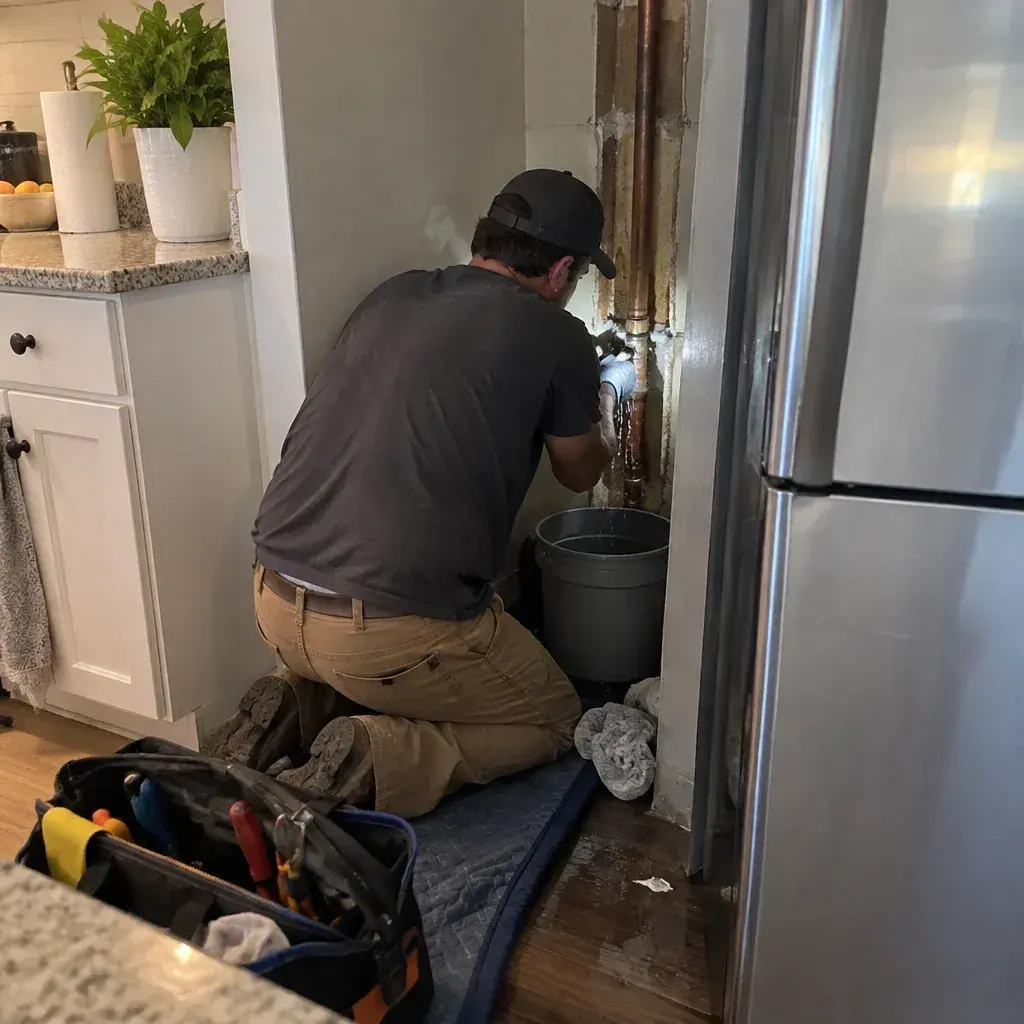
Coordinate school access and water isolation, then keep a clear record of the pipe repair.
A plumber coordinates entry with school staff, locates the failed supply, and plans water isolation around occupied areas. After a compatible repair, the plumber checks the line, restores service, and documents the damaged pipe and completed work.
When a pressurized water line splits during a school day, water can reach rooms far from the break. School burst pipe repair starts with finding the failed section and planning work around people using the building. In Kentucky, a useful repair record helps facilities staff track what was damaged, where access was needed, and what the plumber completed. Those details can guide decisions about room access, water isolation, staff updates, and the handoff after service returns.
Give the pros we connect you with the building address, the best arrival point, and the staff contact handling access. Explain visitor check-in, escort rules, and any rooms that need special arrangements. A campus map or room identifier can help distinguish one wing from another. If classes, meals, events, or deliveries affect movement, mention them early. Clear instructions help the plumber reach the affected area without sending students or staff through an active work space.
A ceiling mark, wet floor, or sound behind a wall may be where water surfaced, not where the pipe split. Tell the plumber when staff first noticed it and what changed afterward. Photos taken from a safe, dry position can show the visible conditions before work begins. In Kentucky, those initial notes give facilities staff a starting point for comparing the reported damage with the pipe location and repair findings.
Before the plumber isolates a supply, identify the rooms and fixtures that depend on it. A line serving one classroom may affect less of the day than one supplying several restrooms or a cafeteria. Share that information with the plumber and note which areas could lose water. If a valve is in an unsafe or wet area, staff should not approach it. A clear service map helps the school explain the impact while the line is assessed.
The school and plumber can choose an isolation window based on how the affected rooms are used. If continued water flow makes waiting impractical, tell staff which spaces may be affected as soon as that is known. Keep updates tied to confirmed changes, such as a wider shutoff area or a fixture returning to use. In Kentucky, a brief interruption log can help the next staff member understand what was communicated and when.
| Affected space | Entry steps | Service effect |
|---|---|---|
| Campus identity | Name the campus, such as East Bernstadt Independent School | Keeps each Kentucky facility’s repair file distinct |
| Damage location | Pair the room or zone with an overview photo | Helps staff locate the documented damage |
| Water service | Note the valve reference and fixtures without water | Shows which campus functions faced interruption |
| Staff notices | Save the message, recipients, and delivery details | Creates a record of service change communication |
| Pipe condition | Photograph the break and surrounding pipe before repair | Preserves evidence of the original damage |
| Parts installed | Ask the pros we connect you with to note pipe and fitting details | Supports later university plumbing review |
| Repair check | Log the leak check and observed water flow | Records the line’s condition before access closes |
| Facilities handoff | List spaces returned to use and pending follow-up | Gives staff a clear status for campus operations |
Once the break is located, the plumber examines the pipe and nearby connection. Material, size, joint type, and surrounding condition guide the compatible repair method. Ask the plumber to identify the damaged section in the service notes. A photo of the exposed pipe can help distinguish the failed point from nearby components. That record gives facilities staff a concrete basis for discussing the work completed and any issue left for follow-up.
A failed line may sit above a ceiling, below a floor, or inside a wall. Water can travel before it appears, so the first visible spot may not mark the break. Coordinate who can authorize access and which rooms should remain clear. Before a surface is opened, record its condition and location when practical. Notes and images can help staff connect the access area to the pipe findings and later restoration work.
With the damaged area accessible, the plumber can repair it or replace the affected piece using parts suited to the installed line. Ask that the repair notes name the work performed and the materials used. Afterward, the plumber checks the connection under water pressure for leaks and confirms flow. A photo of the completed pipe and the check result can make the repair record clearer for facilities staff reviewing the service later.
During the work, route updates through a designated school contact. That person can tell staff which rooms are without water and pass along changes from the plumber. Keep each update specific to the affected area and current service status. If the work boundary shifts, record the change and notify people who use nearby spaces. A consistent message reduces confusion when classes move, staff redirect students, or facilities teams answer questions.
Agree on where tools and materials may be set and which route the plumber can use. Staff can point out busy halls, accessible entrances, and rooms that need to stay available. Mark the work boundary in a way the school can communicate to occupants. A note or site photo showing the route and work area can also explain how access was managed if another facilities contact reviews the job record later.
When the plumber restores water, ask which parts of the affected system were checked and whether any fixture remains out of service. The plumber should verify the repaired section for leakage and confirm water flow. Record the status and the person receiving the handoff. If a concern remains, identify the room or fixture and the next action. That written summary helps staff make a clear decision about returning the area to normal use.
Keep a facilities entry with the building and room, the reported signs, the pipe location, and the repair performed. Add useful photos from before access, during the work, and after the repair. Note which areas lost water, when service returned, and any follow-up the plumber identified. In Kentucky, a concise record can help future staff understand the event without relying on someone’s memory or repeating the initial investigation.
When contacting the pros we connect you with anywhere in Kentucky, describe the affected rooms, visitor procedures, and school schedule. Campuses near Louisville Muhammad Ali International Airport, Kentucky Dam Village State Resort Park, and Toyota Motor Manufacturing Kentucky still need their own access details confirmed. Share where water appeared and whether the line’s location is known. Those facts help the plumber prepare to coordinate entry, assess the pipe, and document the work.
Choose who will receive the plumber’s findings and keep the service record. That person can collect the pipe photos, repair notes, water status, and any follow-up recommendation. Before the visit, identify how staff will receive interruption updates. After the handoff, confirm which rooms are usable and what remains unresolved. The record leaves a practical question for facilities staff: who needs the findings next, and what action depends on them?
A burst pipe can disrupt classes, kitchens, or campus services before anyone sees the damaged line. In Kentucky, a clear repair file helps facilities staff explain what happened and what work followed. Keep the building and room, affected supply, isolation changes, and service restoration together. Photos can show the exposed pipe and completed connection, while notes identify who approved access and when. Schools such as Chester Goodridge Elementary School, East Bernstadt Independent School, and Cecilia Valley Elementary School illustrate the range of campuses this planning can serve. These records help staff brief administrators and plan follow-up on wet materials.
A burst pipe can soak walls and floors quickly, so prompt repairs help limit water damage and restore normal use; ask the licensed pros we connect you with whether your address is served.Bevinsville, Adairville and Alexandria. When describing the job, ask whether distance changes the visit charge before agreeing to an appointment.
At a Kentucky production facility such as Toyota Motor Manufacturing Kentucky, a commercial repair quote may start with a visit. Use $350–$1,300 to frame budgeting. The final amount can depend on the line’s capacity, how frequently service is needed, access for tracing, and the materials that fit the existing pipe.Across Kentucky, line diameter and damaged length shape compatible parts, which can shift a business estimate. When calling the pros we connect you with, share the pipe size if known, break location, and whether water is off. A shop near Saunders Springs Nature Preserve may need a different parts list.The pricing guide identifies variables that shift a repair bill; the commercial overview traces how commercial conditions shape the work.
Commercial Office Plumbing
Kentucky Hospitality Plumbing
Restaurant Pipe Service
Share the building and room, the approved entry route, and who can authorize access. Explain sign-in or escort requirements, then identify areas that must remain open during work. In Kentucky, a school schedule can help the plumber and facilities staff choose a practical work window. Note who will receive updates if the affected area or water plan changes.
Facilities staff can help the plumber identify which rooms and services depend on the affected line. The plumber can then assess whether a valve isolates that branch or whether a wider area will lose water. Record the planned isolation and any change during diagnosis. In Kentucky, tell affected staff which spaces may lose service and who will share updates.
Keep the building, room, affected pipe, and service interruption times in the file. Add photos of the damaged area and completed repair, plus the materials or fittings used. Record who coordinated access and when water service returned. In Kentucky, this gives facilities staff a clear account for administrators and later maintenance review.
When reviewing an estimate, confirm it describes the same damaged pipe section and access needed for the repair. Pipe material and compatible fittings also affect the repair. A concealed line may require opening a building surface. Ask for the proposed plumbing scope separately from water removal, drying, or finish repairs.
Discuss the affected area, building access procedures, and school schedule with an independent local plumbing pro before arranging entry.
Call (502) 444-8278