Office Burst Pipe Repair
Commercial Office Plumbing
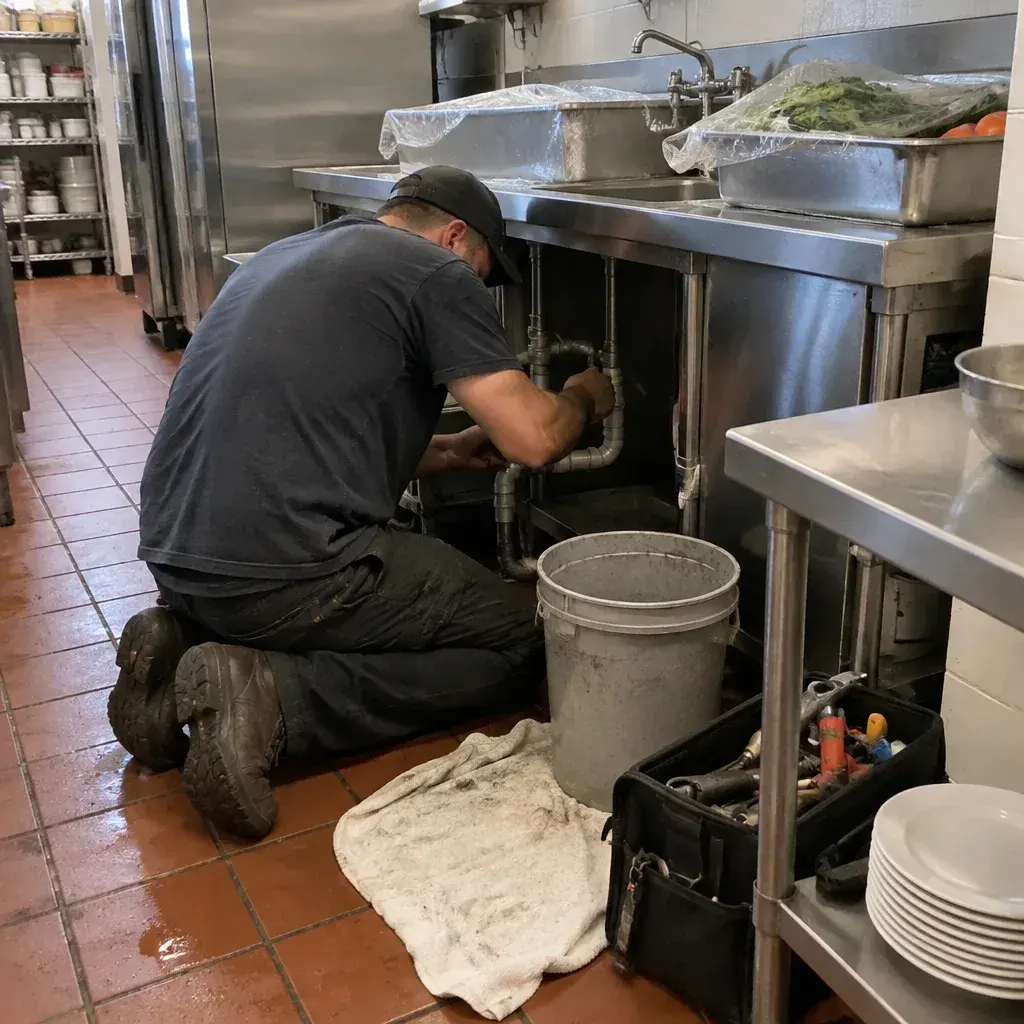
Plan restaurant pipe repair around kitchen access, affected fixtures, and a clear handoff when service returns.
A plumber identifies the failed line, coordinates kitchen access, and isolates water where practical. A change in water pressure can help indicate which supply branch needs attention.
A burst pipe can turn a restaurant’s water supply into an operating decision. You need the break located and repaired while staff manage kitchen and dining areas around the work. In Kentucky, the pros we connect you with can discuss the affected fixtures, site rules, and access with your manager before starting. A restaurant burst pipe response may involve replacing a damaged section with parts suited to the existing line. The plan should also account for safe food handling, guest routes, and which stations can remain in use.
When staff first find the leak, note which sinks, prep stations, or dish machines have lost water. Record where water is visible and whether it is spreading toward food areas, customer paths, or electrical equipment. In Kentucky, those details help the plumbing pro identify the affected supply and discuss safe access before arriving at the pipe. Tell the manager who can open service doors or restricted rooms. Clear observations help staff coordinate the response without guessing at the break’s location or cause.
For a restaurant group operating in Lyndon and Northeast Louisville, use the same incident record format at each property. Capture the affected fixtures, shutoff location, access limits, and service changes for that site. Kentucky’s statewide coverage does not make every building’s plumbing layout the same, so the pros we connect you with need property-specific details. Keep each location’s notes separate. That gives managers a clear account of what the plumber inspected and which areas need attention before kitchen or dining operations resume.
Agree on the work route before tools enter the building. In Kentucky restaurants, a rear service entrance or utility corridor may provide access without crossing food preparation or guest seating. Show the plumber where staff can escort them, which doors need a key, and where equipment blocks the route. Keep the path clear while work proceeds. A defined route helps staff protect clean areas and lets the plumber reach the affected commercial kitchen plumbing without carrying wet tools through active service zones.
The isolation point may serve several kitchen fixtures, so identify what will lose water before closing the valve. In Kentucky, the manager and plumber can decide which stations must stop and whether other areas can keep operating safely. Shut off supply only when the valve is safe to reach and use; avoid wet areas with electrical hazards. If the shutoff affects dishwashing or handwashing, staff can adjust operations while the line is assessed. Clear communication keeps teams from using fixtures that no longer have service.
| Restaurant zone | Pipe condition | Service note |
|---|---|---|
| Site context | Example: restaurant near Franklin Historic Shopping District | Map the kitchen, dining room, and service entrance |
| Water-dependent tasks | Handwashing, food prep, dishwashing, beverage service | Mark which work pauses when the line is isolated |
| Isolation boundary | Branch valve serving the affected kitchen fixtures | Check whether other restaurant areas keep water |
| Entry plan | Ceiling void, wall opening, or utility space | Arrange access clear of active food handling |
| Nearby items | Ingredients, clean utensils, appliances, guest seating | Move or cover items before opening the work area |
| Line specifications | Pipe material, diameter, and connection style | Choose parts that suit the installed system |
| Repair record | Example: restaurant near South Main Street Historic District | Note the repair method and service interruption |
| Restart review | Leak check, pressure, and fixture flow | Confirm kitchen and dining fixtures work before reopening |
Mark the repair boundary so guests and staff do not pass through the work area. In Kentucky, restaurants near the Kentucky Museum of American Pocketknives or serving travelers by Louisville Muhammad Ali International Airport still need site-specific controls around food and customers. Keep ingredients, clean dishes, and service equipment beyond the boundary. Tell staff which route remains open. A separated work zone reduces the chance that plumbing tools or splashes reach food contact areas, while clear signs help preserve orderly guest movement.
Water can travel along a pipe or building surface before appearing below the break. In Kentucky, a ceiling stain near a dining room may not show where the supply line split. Ask staff to describe where dampness first appeared, then let the plumber trace the line and inspect accessible sections. Photograph visible wet areas and note their locations. Keeping those observations distinct from the exposed pipe helps the repair assessment focus on the source, even when the first sign appeared elsewhere.
If ingredients or clean service items sit near the repair zone, assign a staff member to move them before tools arrive. Choose a dry route and a clean holding spot away from guests. In Kentucky, make a brief note of what moved and where it went, so the manager can confirm those items stayed outside the work area. Leave heavy appliances in place unless the plumber requests access and staff can move them safely. This keeps the response organized without adding avoidable handling around food.
Once the plumber reaches the break, the pipe’s material, diameter, connection, and surrounding condition guide the repair. In Kentucky, a restaurant’s water line may be visible in a service space or concealed behind a wall or ceiling; the plumber needs to locate it before selecting parts. A damaged section may be replaced with compatible pipe and fittings suited to that system. If access must be opened, coordinate the work boundary with the manager so kitchen staff and guests stay clear.
A clamp can sometimes slow water from an accessible split, but it does not establish that the line is ready for regular use. In Kentucky, ask the plumber to explain whether the temporary measure is only for containment and what lasting repair fits the pipe. The material and connection determine which repair parts are suitable. Keep the affected fixtures out of use until the plumber confirms the repair and checks the line. Staff should know which stations remain unavailable, rather than assume a reduced leak means service is restored.
Before water returns, agree which stations the kitchen needs first and which fixtures can wait. In Kentucky, a manager can share the service sequence with the plumber and shift leads, especially if a shutoff serves both preparation and dining areas. Keep the work area accessible while the damaged section is repaired. Once the plumber is ready, staff can prepare to bring affected fixtures back into operation in an orderly way. This coordination helps prevent confusion about which sinks or equipment may be used.
After the repair, the plumber can restore flow and inspect the connection while the line is pressurized. In Kentucky, keep staff away from the repair point until that check is complete and the plumber confirms water is reaching the intended fixtures. Have a manager verify which sinks and equipment were checked, then share that information with the team. If a fixture still lacks service or a leak appears, report it before reopening that station. A clear handoff makes the return to kitchen and guest service easier to manage.
Repairing the supply line handles the plumbing failure; it does not by itself address water that reached floors, walls, or equipment. In Kentucky, a restaurant may need separate help to remove water, dry building materials, or rebuild finishes after the pipe work. Ask the plumber to describe the completed repair and any areas left for follow-up. Keep affected rooms restricted until the manager has reviewed next steps. Treating the plumbing work and building recovery as separate tasks helps assign each responsibility clearly.
Keep the final record with the property’s maintenance files. Note what staff observed, which fixtures lost service, where the plumber accessed the line, what repair was made, and when water was isolated and restored. In Kentucky, include the areas and fixtures the plumber checked so future managers can understand the operational impact without relying on memory. Attach photos with locations and times, plus any remaining follow-up items. A useful record supports maintenance planning across sites such as Lyndon, Northeast Louisville, and other Kentucky locations.
When a supply pipe breaks during service, water may reach prep space, storage, or seating before staff identify the failed branch. Across Kentucky, the response starts by separating the wet area from food handling and customer movement, then matching affected fixtures to kitchen tasks. A plumber can coordinate entry and water isolation with the site lead, repair or replace the damaged section, and confirm flow before affected stations resume. Keeping track of affected fixtures helps staff plan kitchen tasks while the supply is being restored.
Use these Kentucky place links to narrow your search, then check whether your home falls within a provider’s service reach before discussing a burst pipe, includingAnnville, Arjay and Arlington. Describe what changed before the problem started and what you have noticed since, so the licensed pros we connect you with have useful context.
The licensed pros we connect you with can explain how access to the damaged pipe affects the repair. A small office leak and a warehouse line break can differ in scope. Pipe size can shift the quote. Repeat visits can change the total. Ask the pros we connect you with what each visit covers.Across Kentucky, line diameter and damaged length shape compatible parts, which can shift a business estimate. When calling the pros we connect you with, share the pipe size if known, break location, and whether water is off. A shop near Saunders Springs Nature Preserve may need a different parts list.The pricing guide identifies variables that shift a repair bill; the commercial overview traces how commercial conditions shape the work.
Commercial Office Plumbing
Kentucky Hospitality Plumbing
Shared Building Plumbing
A site lead can match kitchen tasks to the fixtures that remain supplied while the plumber isolates the affected line. Pause tasks that depend on that supply, and keep staff away from wet areas near powered equipment. If other fixtures retain water, the operator can decide whether those functions can continue. Resume affected work after the plumber checks the repair and confirms water reaches the fixtures.
Tell the site lead which service spaces need entry and who can authorize access. Clear the agreed route of carts and stored items, and keep deliveries or staff traffic out of the work zone. Identify food and customer areas that need a boundary. In Kentucky, the route and access plan depend on each restaurant’s layout and the location of the damaged pipe.
Keep a shift handoff note showing when water was isolated, which kitchen or dining functions paused, and when service returned. Add the plumber’s description of the work and any follow-up access needs. This gives the next manager a clear operating record without relying on staff memory. Store it with the property’s maintenance notes for future service planning.
When a restaurant burst pipe disrupts service, identify which kitchen fixtures share the affected supply. The pros we connect you with can plan isolation around prep, protect food and equipment, and keep diners clear of the work area. Check for water near outlets or appliances before restarting any affected station. Record the shutoff window, affected stations, and parts changed for shift handoff. Ask an independent local plumbing pro to plan around operations near Louisville Muhammad Ali International Airport, Lyndon and Northeast Louisville, or My Old Kentucky Home State Park.
Discuss the affected kitchen area, operating limits, and access plan with the pros we connect you with across Kentucky.
Call (502) 444-8278