School Burst Pipe Repair
School Plumbing Repair
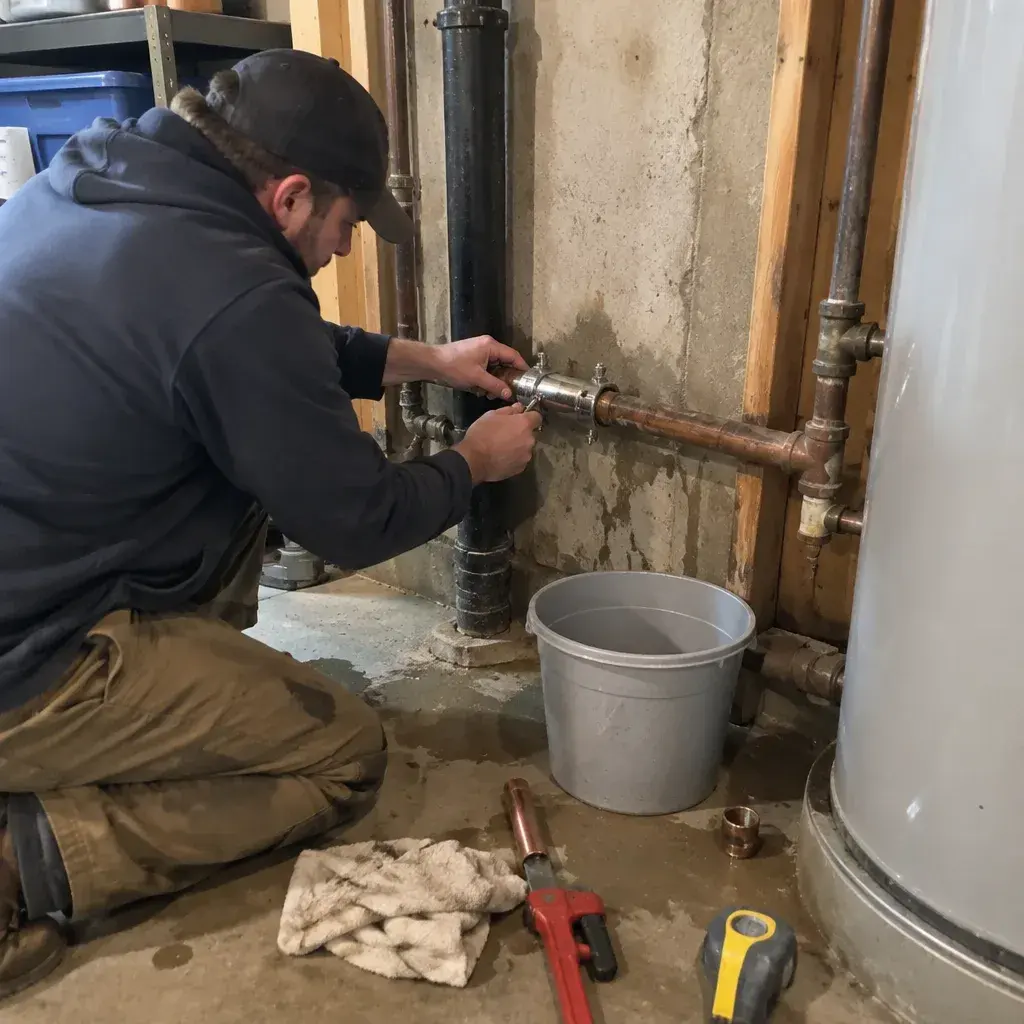
Coordinate hospital burst pipe repair across Kentucky properties with site-specific access plans, operational input, and consistent records.
Coordinate facilities, clinical, and operational leads across the affected Kentucky properties. Map care areas, access rules, and water-dependent services for the plumbing professional, then document each site's compatible pipe repair and leak-check findings.
A split in a pressurized water line can disrupt care beyond the wet room. In Kentucky, the repair plan needs to connect plumbing decisions with patient needs, staff duties, and services that rely on water. Conditions around Baptist Health Deaconess Madisonville, Lyndon and Northeast Louisville, and the Cathedral Basilica of the Assumption show the state’s varied settings; each facility must map its own operations. Bring facilities staff and operational leads together so the plumber can define a workable scope with the people responsible for care.
The room where water appears may not show the full service impact. In a Kentucky healthcare building, the same line may support patient care, staff functions, or shared services elsewhere. Facilities staff can compare the affected area with plumbing plans and department knowledge. That helps identify which rooms, teams, and activities could be affected by repair work. A clear map also helps leaders decide what needs an alternate space or schedule while the relevant pipe section is addressed.
Entry rules shape how repair work can fit a healthcare setting in Kentucky. The facilities contact can explain badge access, escorts, sensitive areas, and times when nearby rooms need quiet or limited traffic. Clinical leadership can guide any choices involving patient movement or care routines. Sharing those boundaries with the pros we connect you with helps them plan access to the pipe without disrupting controlled areas. The repair scope should account for these requirements before work begins.
A line may serve more than the area where the damage becomes visible. In Kentucky, facilities teams can review plumbing drawings, valve labels, and maintenance records to trace the line’s known reach. Staff who manage connected departments may recognize service links missing from older plans. Comparing those sources helps prevent an isolation decision from affecting another essential function. The resulting scope can identify which parts of the system need attention and what operational leads should be involved.
Water-dependent work can have different priorities across a Kentucky medical facility. Clinical and operational leaders can identify services that must remain available, activities that could move, and tasks that can wait. Facilities staff can use those decisions to discuss the affected supply with the plumbing professional. That shared picture helps shape the repair plan around actual operating needs. Without it, a plumbing choice could interrupt a function that staff had not included in their initial review.
| Affected area | Water needs | Entry controls |
|---|---|---|
| Patient services | Inpatient care, diagnostics, and outpatient functions | Clinical leads identify services with limited scheduling flexibility |
| Essential systems | Sterilization, dietary preparation, sanitation, and equipment | Unit managers flag tasks that depend on active water |
| Branch boundaries | Fixtures and departments connected to the affected supply | Facilities staff traces connections before isolation is planned |
| Entry conditions | Restricted doors, clean routes, escort, and work limits | Site contacts set access rules for the plumbing professional |
| Service priorities | Departments relying on the same water line | Operational leads rank services before choosing isolation scope |
| Continuity options | Alternate rooms or approved ways to maintain essential tasks | Clinical leadership confirms workable arrangements for affected patients |
| Work record | Break location, pipe type, parts, pressure check, and status | Facilities staff records findings and water service restoration |
| Site orientation | Campus map, facility address, and approved service entrance | Baptist Health Deaconess Madisonville map reference |
A burst pipe may be visible, or it may sit behind a wall, ceiling, or floor. In Kentucky healthcare buildings, moisture can appear away from the break, so the damp location alone may not define the work area. The plumber needs access to locate the damaged section and assess the surrounding pipe. Facilities staff can identify room restrictions and coordinate the needed entry. Knowing the likely access area helps clinical leaders consider nearby spaces when planning operations.
Water isolation needs to fit the facility’s operating plan in Kentucky. First, the team needs to understand which services depend on the affected line and what alternatives are available. The plumbing professional can then discuss the appropriate isolation point with facilities staff. Clinical and operational leaders can weigh the service impact before the work is scheduled. This coordination helps avoid unintended disruption to dependent areas. Shutoff decisions should account for safe access to the valve and nearby electrical hazards.
One facilities contact can keep a Kentucky repair discussion organized. That person can arrange approved entry, share building records, and bring questions to the right department leads. Clinical leadership should guide decisions that affect patient care. Staff can agree on how updates reach affected teams and who records changes to the work plan. With clear roles, the plumbing professional gets useful answers without asking multiple departments to resolve the same operational question.
A useful Kentucky facility record ties the plumbing scope to the operational decisions around it. Note the affected areas, system references reviewed, departments consulted, access conditions, and any agreed service alternatives. Record who approved isolation planning and who received updates. These details give facilities and clinical leaders a shared account of why the work took its chosen scope. They can also help staff review the repair later or brief colleagues who were not part of the coordination discussion.
The repair method depends on the damaged pipe and the condition around it. For a Kentucky healthcare facility, the plumber assesses the line’s material, size, connections, and available access before choosing compatible parts. The work may require replacing a damaged section or using another suitable repair method. A fitting must suit the existing system. The agreed scope should state which portion will be repaired, what access is needed, and what work falls outside the plumbing repair.
Communication matters when repair work could affect care or staff routines in Kentucky. Facilities staff can describe the work area, expected access limits, and operational contacts. Clinical leadership can decide what information staff and patients need about changes to care activity. Updates should go to the teams whose work or space may be affected, using channels the facility already relies on. This approach helps prevent conflicting instructions while keeping operational decisions with the people responsible for them.
Before routine use resumes in a Kentucky facility, confirm the plumbing work is complete and documented. Ask which pipe section was repaired and whether the plumber checked it for leaks and confirmed water flow. Facilities staff can coordinate any remaining access or service decisions with operational leaders. Plumbing repair does not include every effect water may have had on rooms or contents. Water extraction, drying, and rebuilding may need a separate provider, so record those needs separately.
The cost of emergency burst pipe repair at a Kentucky healthcare facility depends on the work required. Access difficulty, the pipe’s material and connections, and the size of the damaged section can affect the scope. Operational access controls may also shape how the work is arranged. Water damage beyond the plumbing line can require separate services. An estimate is more useful when it describes the repair scope, compatible parts, access needs, and any work excluded from the plumbing service.
To discuss an estimate in Kentucky, gather the facilities contact and the operational leads who know the affected services. Share available plumbing records, the areas under review, entry requirements, and water-dependent activities. Ask the plumbing professional to explain the proposed repair section, compatible materials, and checks after the work. Clarify which restoration needs fall outside the plumbing scope. A shared set of details helps the facility compare the proposed work with its access and operating requirements.
When a supply pipe fails at one healthcare property, teams need a repair scope that accounts for every affected site. Across Kentucky, facilities near the Battle of Richmond Visitors Center, Saunders Springs Nature Preserve, and My Old Kentucky Home State Park each have their own access rules and care demands. Facilities staff can map the lines and spaces involved; clinical and operational leads can flag essential water uses. That shared picture helps the plumbing professional plan compatible repairs while teams track decisions and service impacts across properties.
Coverage may differ by provider across Kentucky, so treat linked communities as search markers and confirm your address before relying on a Burst Pipe Repair listing, includingBedford, Belfry and Bellevue. Describe what changed before the problem started and what you have noticed since, so the licensed pros we connect you with have useful context.
For commercial premises in Kentucky’s Oakland-Freeport Historic District, pricing may be set for each service visit. $350–$1,300 is a budgeting guide. A larger supply line, repeat repair needs, difficult access, or a need for compatible replacement parts can change the estimate after the pipe is assessed.Across Kentucky, line diameter and damaged length shape compatible parts, which can shift a business estimate. When calling the pros we connect you with, share the pipe size if known, break location, and whether water is off. A shop near Saunders Springs Nature Preserve may need a different parts list.The pricing guide identifies variables that shift a repair bill; the commercial overview traces how commercial conditions shape the work.
School Plumbing Repair
Shared Building Plumbing
Commercial Office Plumbing
Facilities staff can own building access and pipe records, while clinical leaders identify care areas and operational leads name water-dependent services. Give the plumbing professional one contact for scope changes across Kentucky properties. If sites have different entry controls, record those separately so a shared repair plan does not erase local requirements.
Have operational leads identify which services rely on each branch before deciding where isolation can occur. A branch serving a treatment space may call for a different plan than one serving a support area. The plumbing professional can use those limits to scope the affected line and compatible repair across properties.
Keep a site-specific record of the line involved, the pipe and fittings used, any access boundaries, and the leak-check findings. Note which teams reviewed service impacts and who approved the return to use. These details help facilities compare work across Kentucky locations and plan any separate restoration tasks.
The plumbing scope covers locating and repairing the failed water line, then checking the work. Water removal, drying, and rebuilding damaged surfaces may require separate providers. Track those tasks apart from the pipe repair so each property's facilities record shows what was completed and what remains.
Bring facilities, clinical, and operations leads together to map each site's access rules and water needs for the plumbing professional.
Call (502) 444-8278