How Long Might Water Be Off?
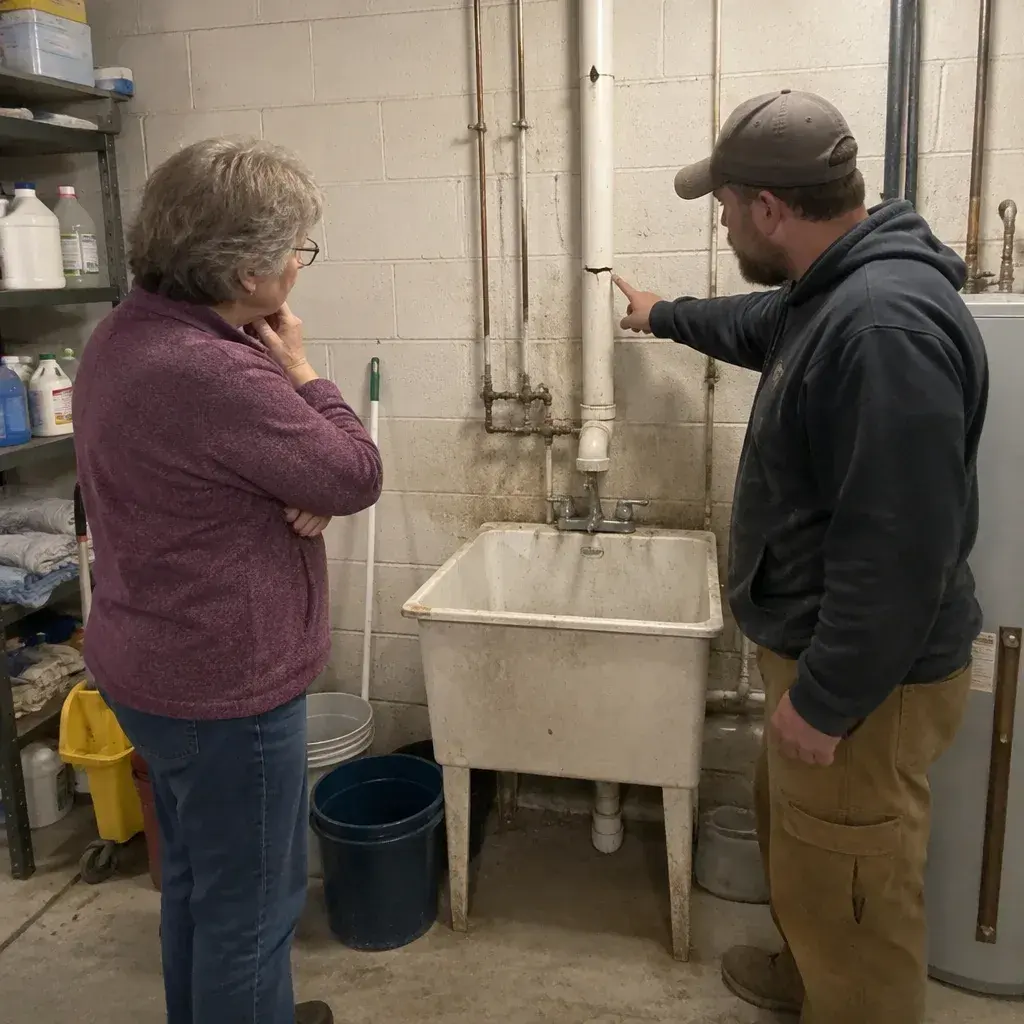
A pipe split on a Tuesday can leave you wondering when the taps will work again. In Kentucky, there is no set water off time during pipe repair. The estimate depends on what line failed and how much plumbing must be isolated. A small, clear repair may need a shorter interruption than a break tied to a larger supply. The pros we connect you with can explain the likely window after locating the break and identifying the affected line.
The first decision is how much of the supply the repair affects. A break on one branch may call for shutting that line off; damage on the main supply can require a broader interruption. That difference can change how long water stays off while the damaged section is handled. Across Kentucky, homeowners may recognize places such as Morehead History and Railroad Museum, South Shore Wildlife Management Area, and Toyota Motor Manufacturing Kentucky. The plumbing layout in your own property is what shapes the estimate.
What Can Change the Estimate?
The pipe and its connection affect the work that must happen while water is off. The damaged section's location can affect how easily the line is reached. The pipe's size and connection type also guide which replacement parts fit. A nearby shutoff can shape which section of pipe needs to be isolated. Ask which part of the line is driving the estimate, so you know what could change it.
A sudden loss of flow can be an early sign that a burst line has affected service. Cold can contribute to a burst; it does not explain every break or predict the service interruption. If a freeze is suspected, tell the provider what you noticed and when the leak began. That context can help frame the call. The shutoff estimate still comes from the damaged line and the work it needs, rather than the season alone.
Which Part of the Supply Is Affected?
A branch line serves part of a property's plumbing, while the main supply feeds a wider system. Where the break connects determines which line may need isolation. If the affected branch can be identified, the interruption may be limited to that line. A break tied to the main may mean shutting off the broader supply. Ask the pros we connect you with to describe the line in everyday terms and explain how its reach affects the estimate.
Once flow stops, the damaged section can be assessed and repaired or replaced with compatible pipe and fittings. Water needs to remain off while that work is underway. The planned work may change if the pipe condition differs from what was first visible or the repair needs a different fitting. Ask which step must happen before the supply can be opened again. This gives you a clearer sense of what is included in the shutoff window.
Questions About Service Restoration
Before work begins, ask for the expected shutoff window and what could shift it. Ask whether the estimate assumes a branch line or a wider part of the supply. You can also ask what information would change the plan, such as a different pipe connection than expected. In Kentucky, a clear explanation helps you plan around the interruption without treating an early estimate as a promise. Keep the provider's contact details handy in case the work takes a different path.
Water service restoration is the point when the supply can be opened again after repair work. Ask who will tell you that the water can flow and how you will hear about a changed estimate. Find out whether you need to be present when service returns. If you still have questions about timing, ask the provider to explain the next step and the reason for it. That leaves you with a clear handoff instead of guessing when the interruption is over.
Dealing with a burst pipe in your home?
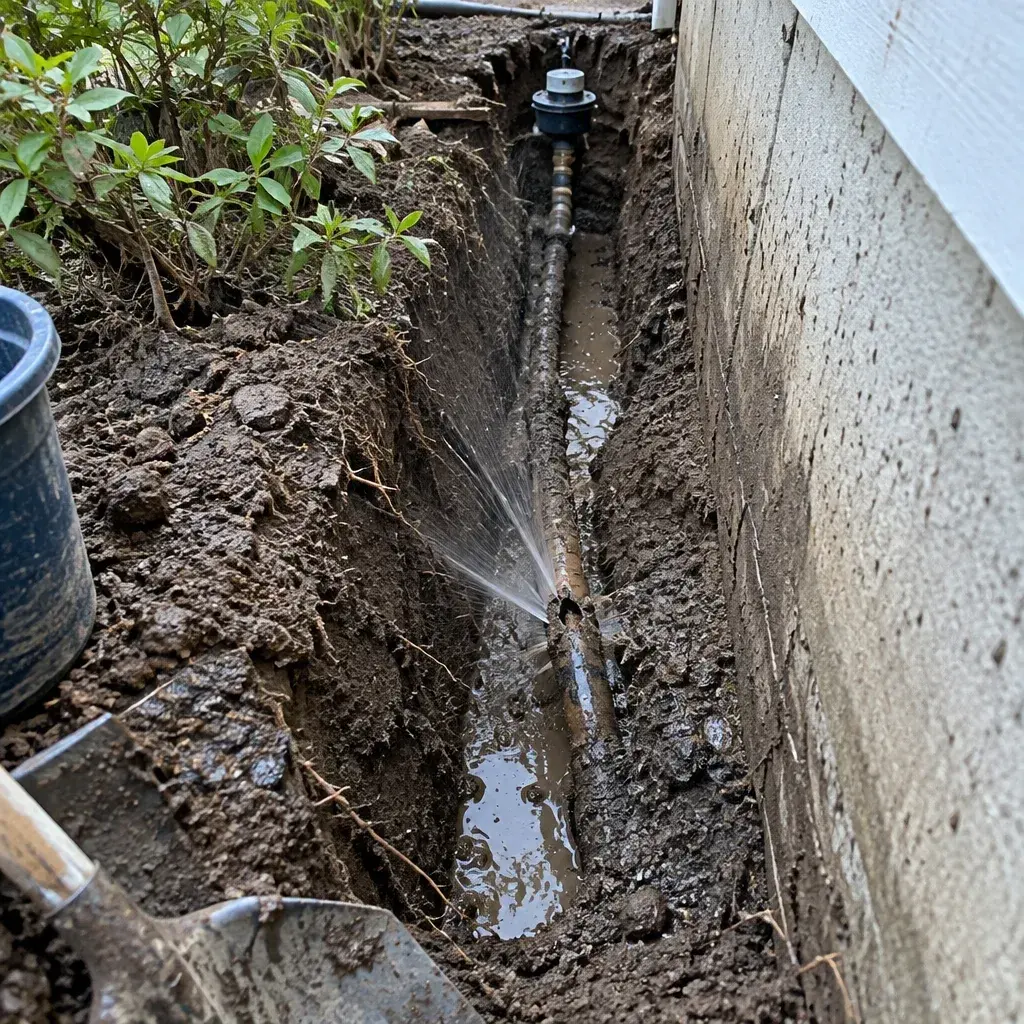
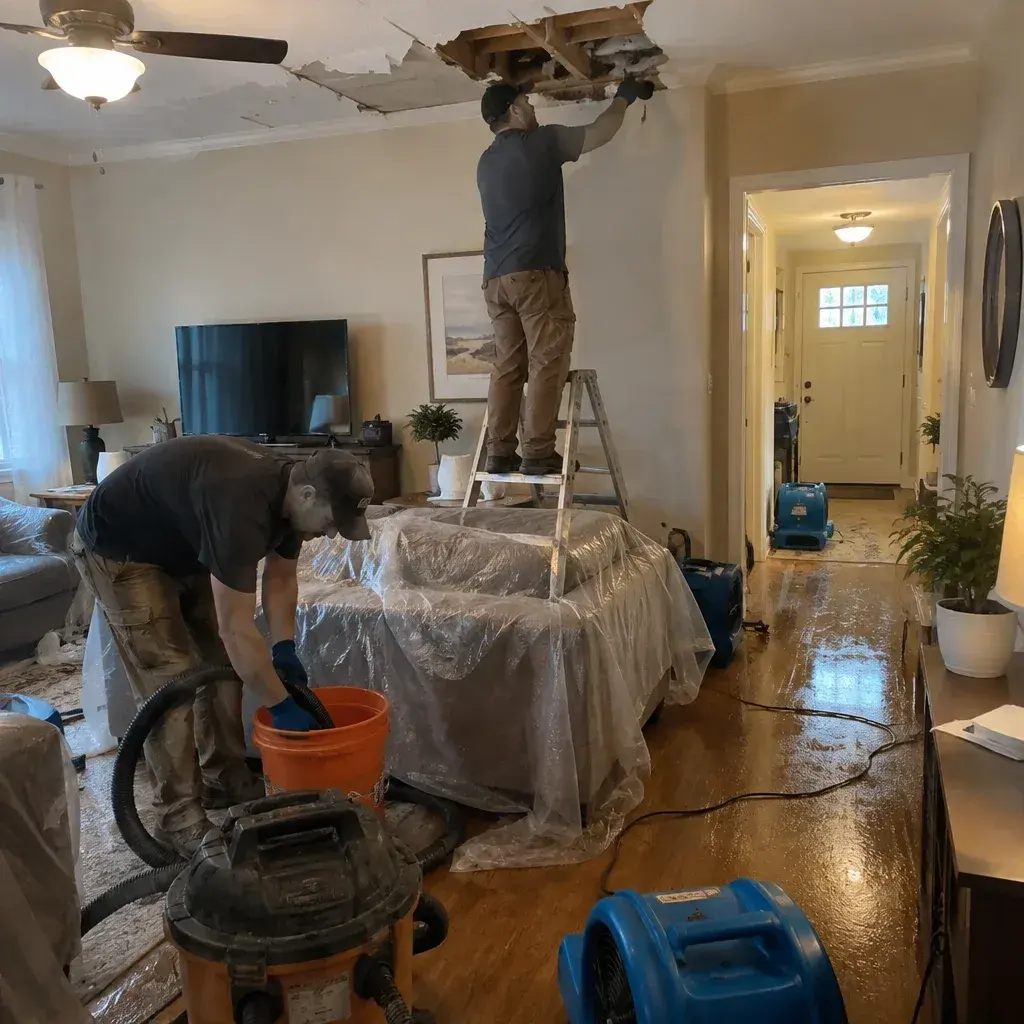
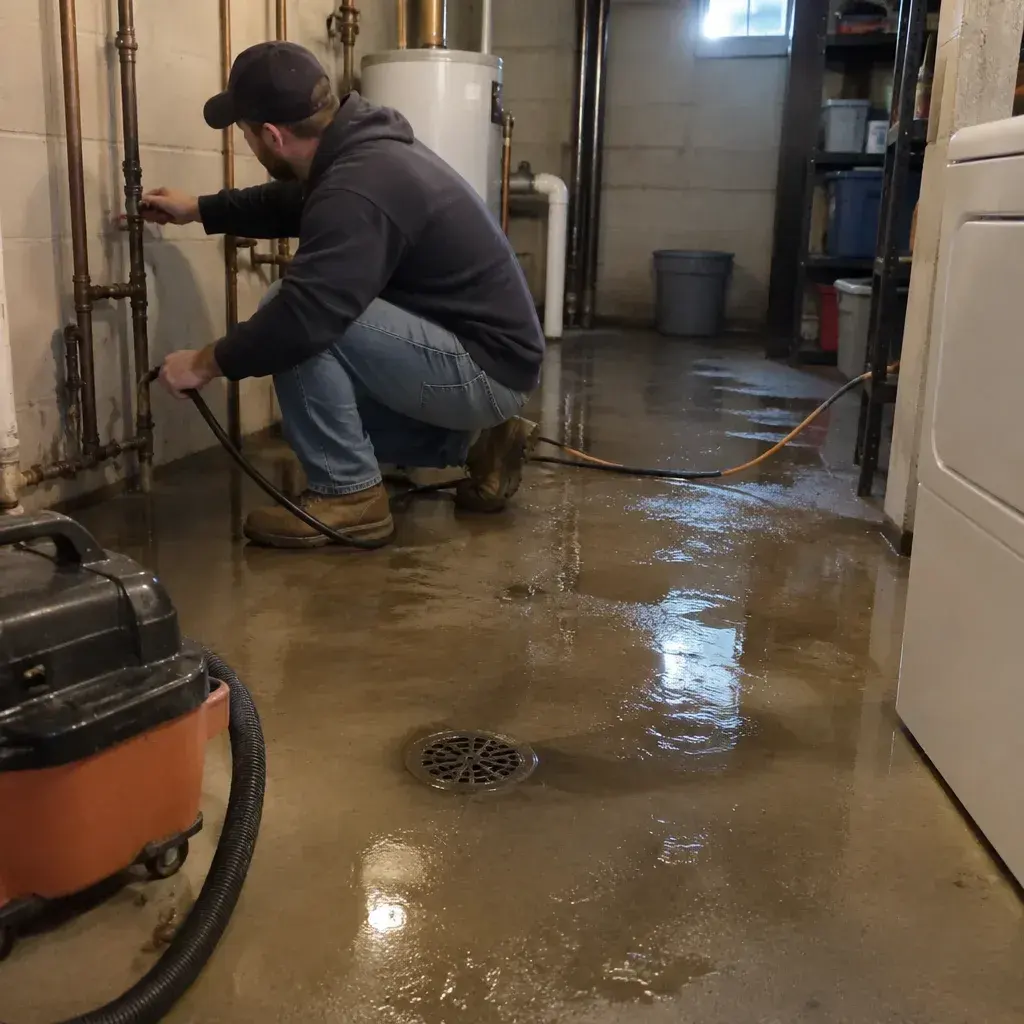
Water after a pipe break can keep spreading while the supply line remains pressurized. In Kentucky, frost and freezes can contribute, but the cause needs checking at your property. Water can soak into nearby materials before the full damage is visible. Pipe repair locates and fixes the line; extraction, drying, and rebuilding are separate restoration work. Stay clear of electrical hazards, and ask about concealed damage before access work begins.