Read the Signs Around a Suspected Leak
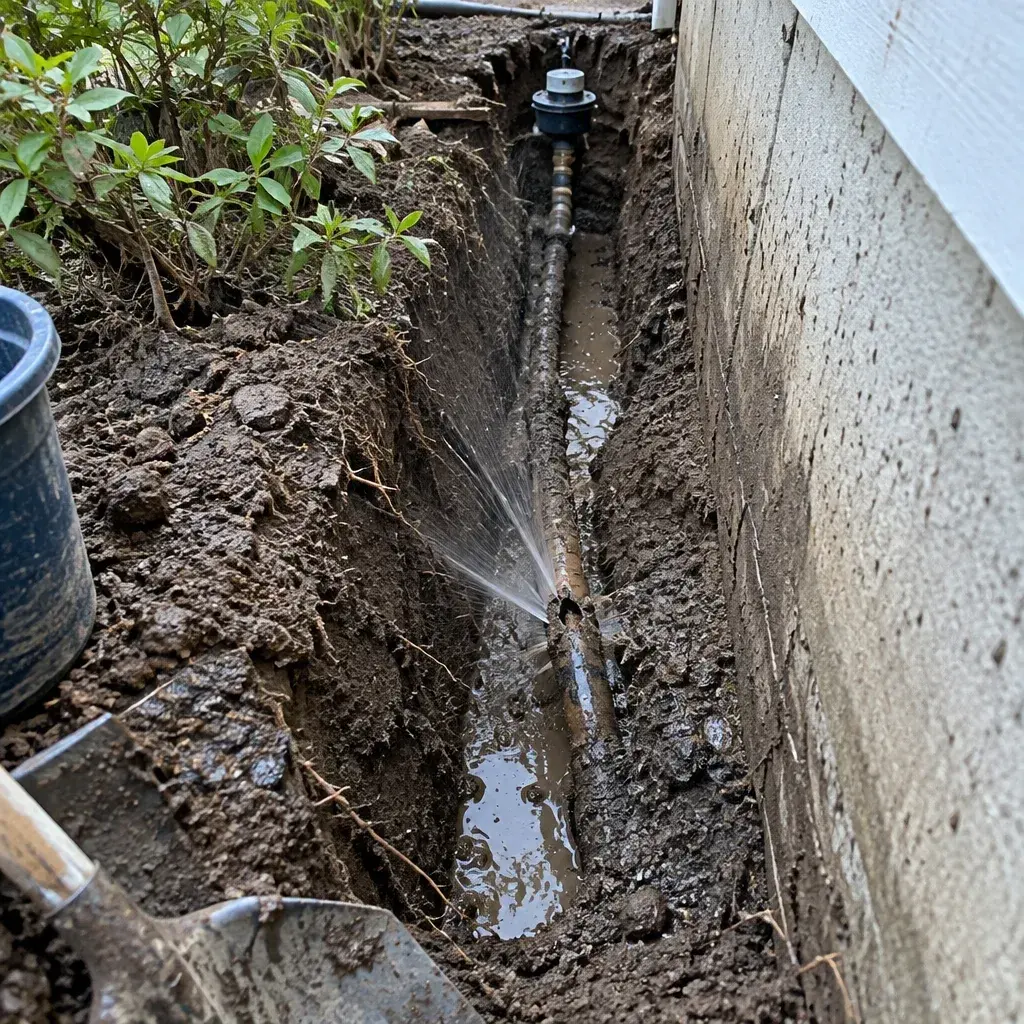
On a day you spot a new wet patch, a steady trickle, or a sudden spray, the line may have split under pressure. The sign can show that water is escaping, but its location alone cannot identify who maintains that part. Across Kentucky, from Toyota Motor Manufacturing Kentucky to My Old Kentucky Home State Park and Lake Cumberland State Resort Park, the responsibility question is the same: find the boundary that applies to your service address.
The meter and the house entrance can sit in different places from one property to another. That changes which visible clues help you describe the affected stretch. Note where water appears in relation to the meter and where the supply enters the building. Give the licensed pros we connect you with a clear account of what you observed. These observations help narrow the line section, but they do not settle who must arrange its repair.
Locate the Service-Line Boundary
Water appeared beside your meter on Monday, but the wet ground did not identify who arranges repair. In Kentucky, water meter pipe responsibility depends on where the provider’s maintained line ends and private service begins. That boundary may vary with provider rules, local requirements, and meter placement on your property. Questions can arise near the Franklin Historic Shopping District, South Main Street Historic District, or General Butler State Resort Park; those names do not settle ownership. Ask the water provider which party maintains the affected section, then check property records or local rules before arranging work.
Water line ownership can be a separate question from who handles upkeep. A recorded easement or deed may describe rights to the route, while the provider’s rules address maintenance. Those records can point to who may access the line without answering who must organize a repair. Keep the questions distinct when you seek an answer: who owns the pipe, who maintains the affected section, and where does that section begin and end? Each answer can rely on different information.
Report What You Can Observe
When you report a suspected leak in Kentucky, give the provider the service address and describe what changed. Say whether you saw flowing water, damp ground, a new indoor mark, or a change in normal supply. Mention the spot relative to the meter and house entry. Clear observations help the provider identify which section to assess. They also create a useful record if the boundary is unclear. Avoid guessing at the cause; a wet surface does not show when or why the line failed.
Property records may show an easement, a recorded route, or rights of access. That can help you understand where a service line crosses your lot, especially when the route is not visible. It does not necessarily assign repair responsibility. Compare what the records show with the boundary described in the provider’s rules and any applicable local ordinance. If the documents use terms you cannot match to the affected section, ask the provider to explain how they apply to your address.
Confirm Who Arranges the Repair
If you receive different answers, ask each source to identify the exact section it means. One person may be discussing access rights while another means routine maintenance. That distinction can explain the disagreement without telling you who must arrange the repair. In Kentucky, request the rule or record behind the answer and have the provider describe where its responsibility ends. A clear boundary gives you a sound basis for deciding whom to contact before work is arranged.
Once the responsible section is clear, share the provider’s description with the pros we connect you with. Ask them to confirm that the suspected leak is on that section before you authorize work. If no one can match the wet area to the stated boundary, return to the provider with your observations and request clarification. This keeps a visible symptom from being treated as proof of responsibility. The location of the break and the party expected to arrange repair are related, but they are not the same answer.
Dealing with a burst pipe in your home?
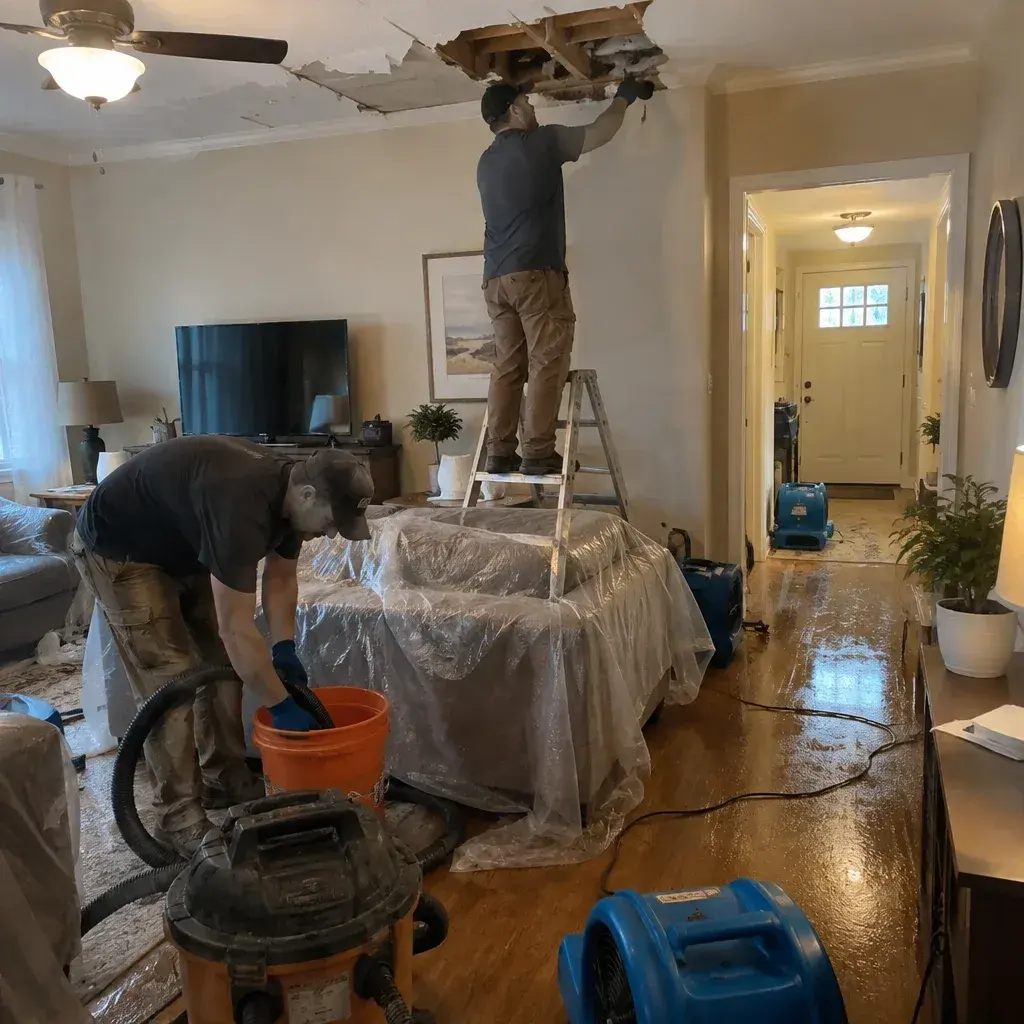
Water after a pipe break can keep spreading while the supply line remains pressurized. In Kentucky, frost and freezes can contribute, but the cause needs checking at your property. Water can soak into nearby materials before the full damage is visible. Pipe repair locates and fixes the line; extraction, drying, and rebuilding are separate restoration work. Stay clear of electrical hazards, and ask about concealed damage before access work begins.