Photograph Water and Visible Damage
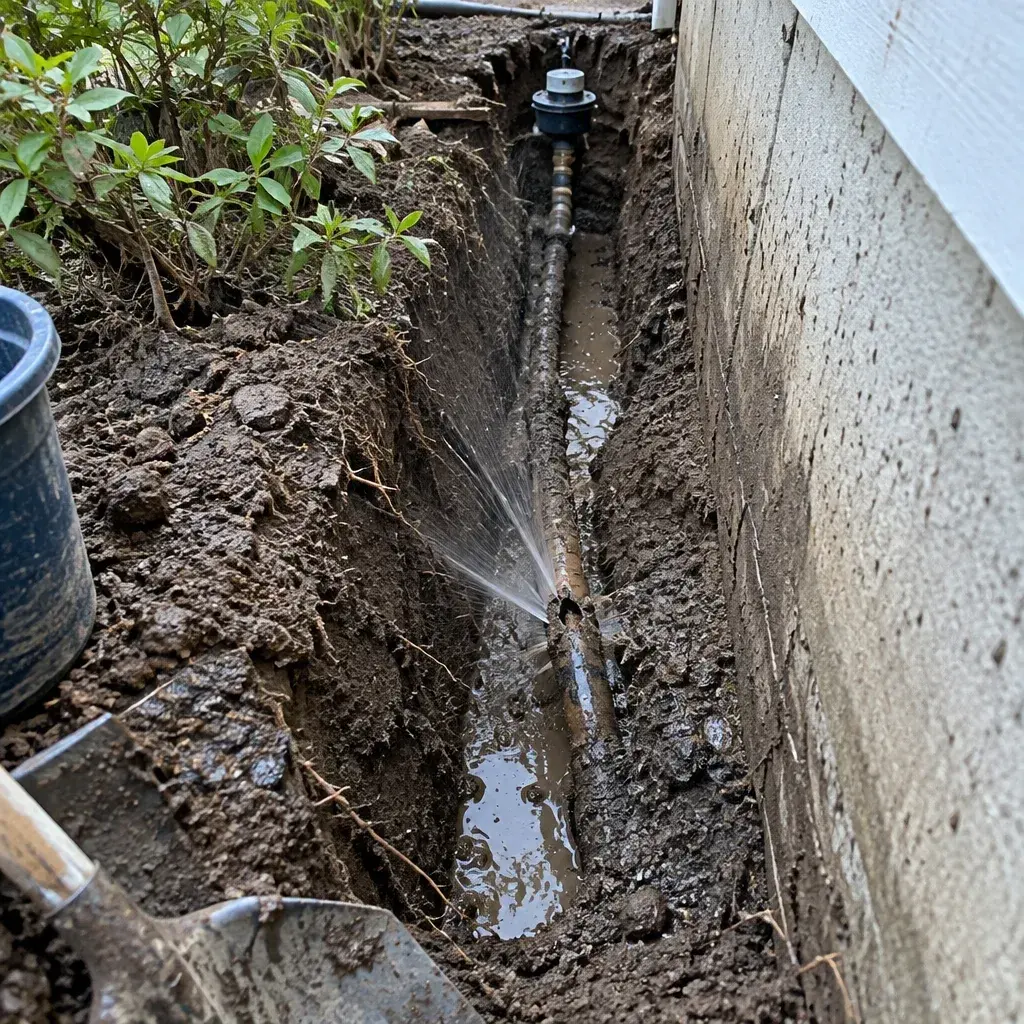
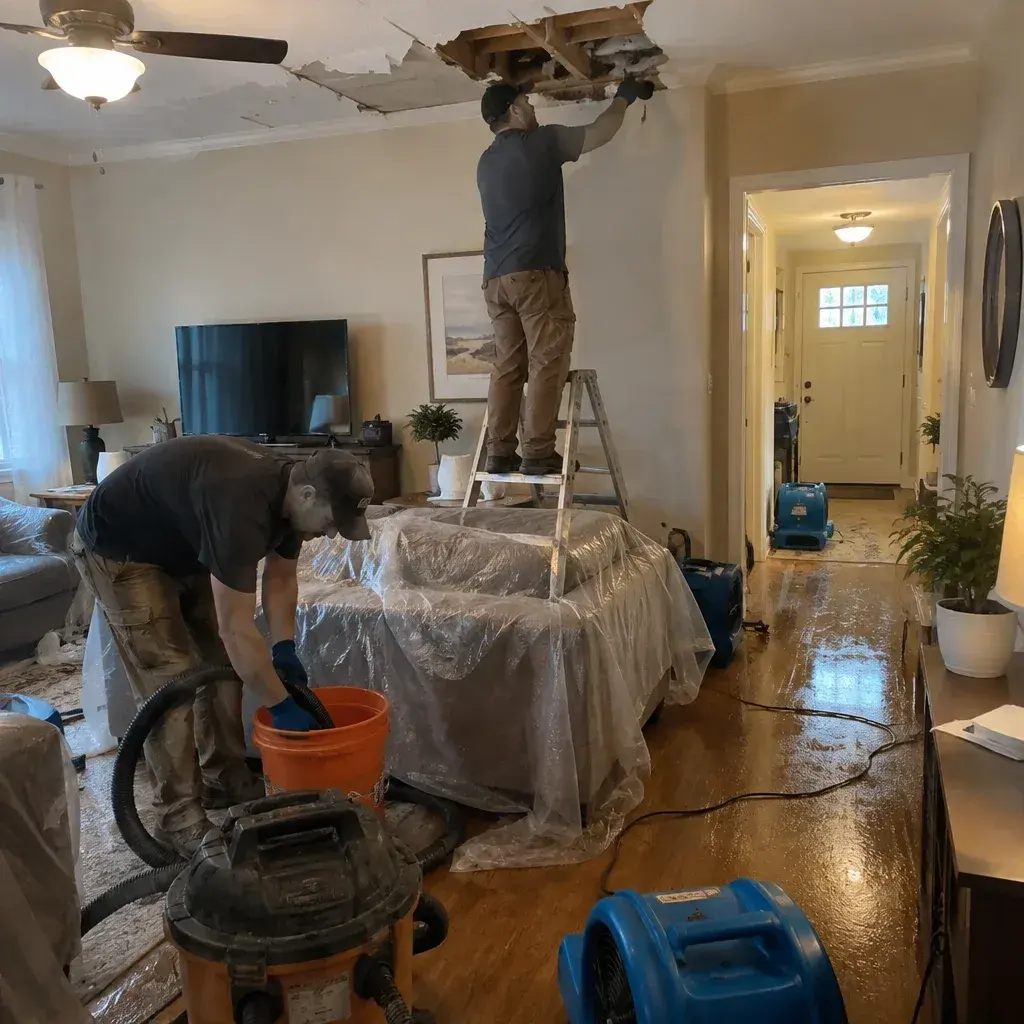
The day a pipe split, water may have reached rooms far from the break. In Kentucky, start a record of what you could see without entering unsafe areas. Take wide photos or video of each affected room, then closer images of wet surfaces, stains, and visible pipe damage. Keep the original files when possible. A view near My Old Kentucky Home State Park and one near Lake Cumberland State Resort Park can both show the same useful details: where water appeared and what it reached.
Add a brief timeline while the sequence is fresh. Note when you first saw water, which area showed it, and what changed afterward. Separate what you observed from what someone later told you. For example, a ceiling mark near Pennyrile Forest State Resort Park may appear below a concealed pipe, but its position alone does not establish where the pipe broke. In Kentucky, dated notes and images can help explain the order of events. Keep copies together with your other pipe repair claim records.
Keep the Pipe Repair Paperwork
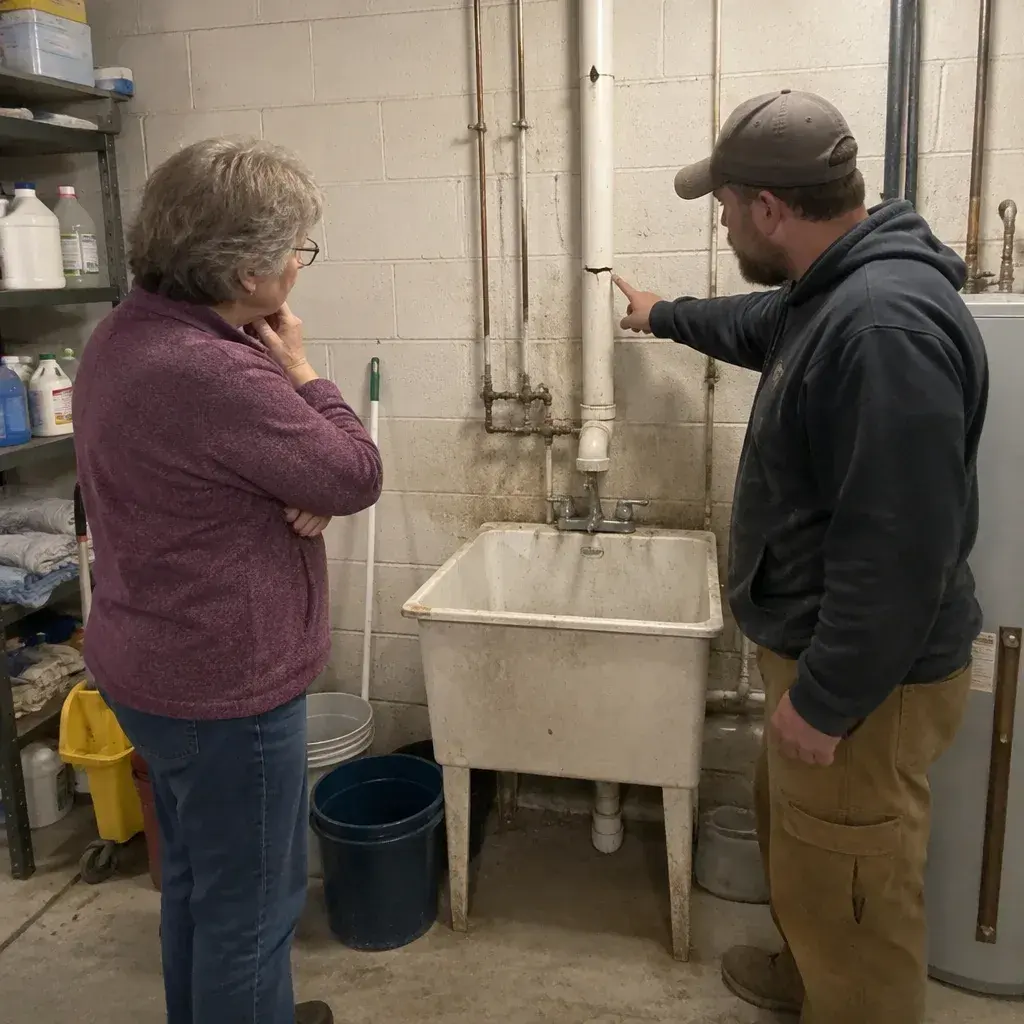
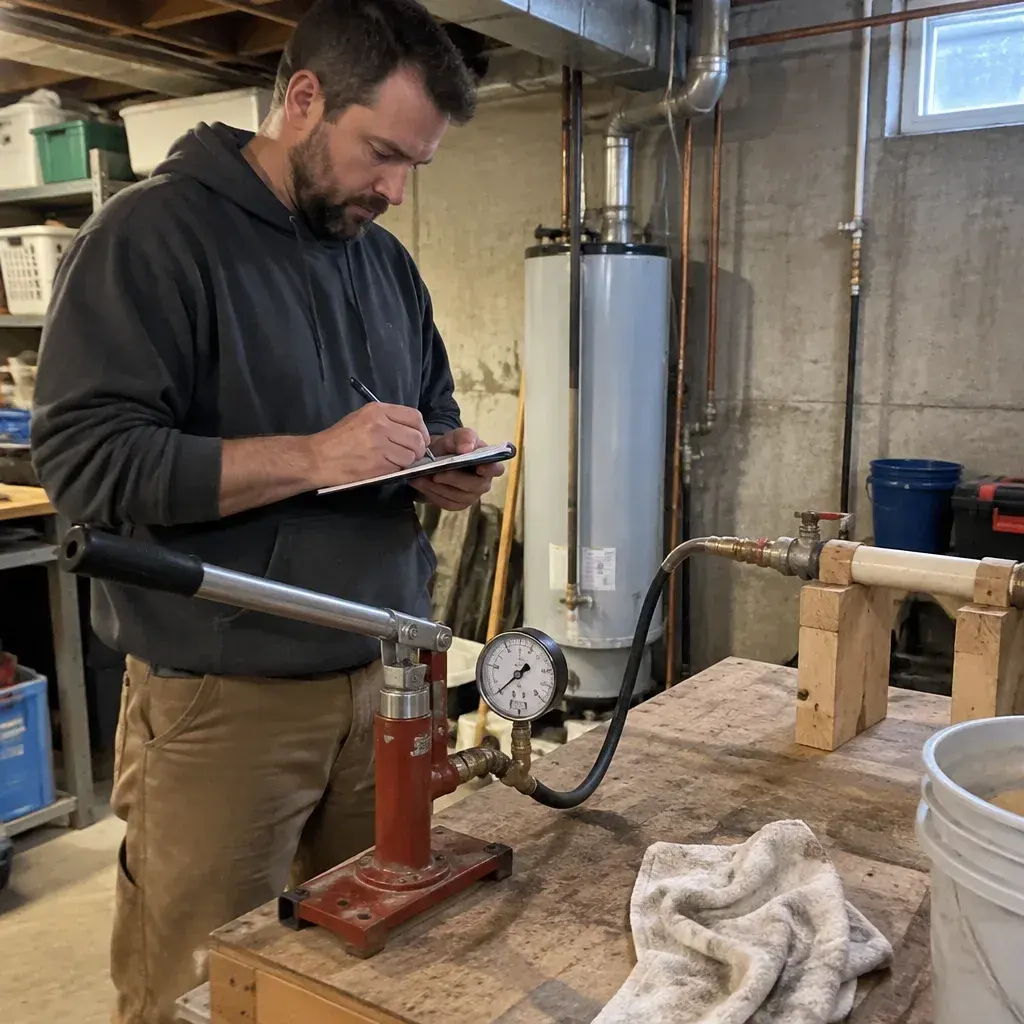
Ask the licensed pros we connect you with to note what caused the leak, if they can identify it. In Kentucky, useful paperwork can identify the visit, the affected pipe section or fitting, and the work performed. If the line was behind a wall, ceiling, or floor, retain any notes that describe where the damage was found and what access revealed. These details can connect the plumbing work to the area shown in your photos. Save the original document and a readable copy, so you can provide the insurer with the requested record.
Keep plumbing paperwork apart from records for room repairs. The invoice describes work on the water line; it may not document drying, removed materials, or restored finishes. Across Kentucky, separate providers may handle those tasks, so save their work descriptions and receipts in the same claim folder. Label each item by room or service date if that helps you match it to your photos. Ask the pros we connect you with for a written description of completed pipe work if your paperwork leaves the repair unclear.
Save Claim Messages and Instructions
Save insurer emails, letters, portal messages, and claim reference details in one place. In Kentucky, write a short call note with the date, the representative’s name if given, and the documents discussed. This creates a record of what you sent and what the insurer said it still needs. Keep your copy of each upload or attachment beside the related message. A complete communication trail makes it easier to answer follow-up requests without relying on memory or searching through unrelated messages.
When the insurer requests more information, retain both the request and your response. Note which file you sent and when, then keep any confirmation of receipt. If a request uses broad wording, ask whether it refers to the plumber repair invoice, photos, or another specific record. Across Kentucky, claim handling can vary by insurer and policy, so follow the instructions for your own claim. Which records does your insurer still need, and how should you submit them?
Document Belongings and Mitigation
A clear record can help separate damage to the building from damage to belongings. Add photos before moving or discarding anything when it is safe and practical. Keep purchase receipts, packaging, or model details if you already have them. In Kentucky, these records can help identify what was affected and distinguish one item from another. Note if an item had to be moved or disposed of, and keep any related receipt or communication with the rest of your damage documentation.
A timeline can help keep the repair and cleanup steps in order. Add the date and explain what each document relates to. Store these with photos of the affected area before and after the work, when available. Pipe repair and water cleanup may involve separate work, so keep each provider’s records clear. Before closing your file, compare your copies with the insurer’s requests. What item or service still needs supporting documentation?
Dealing with a burst pipe in your home?
Water after a pipe break can keep spreading while the supply line remains pressurized. In Kentucky, frost and freezes can contribute, but the cause needs checking at your property. Water can soak into nearby materials before the full damage is visible. Pipe repair locates and fixes the line; extraction, drying, and rebuilding are separate restoration work. Stay clear of electrical hazards, and ask about concealed damage before access work begins.