Look for Fresh Moisture at the Repair
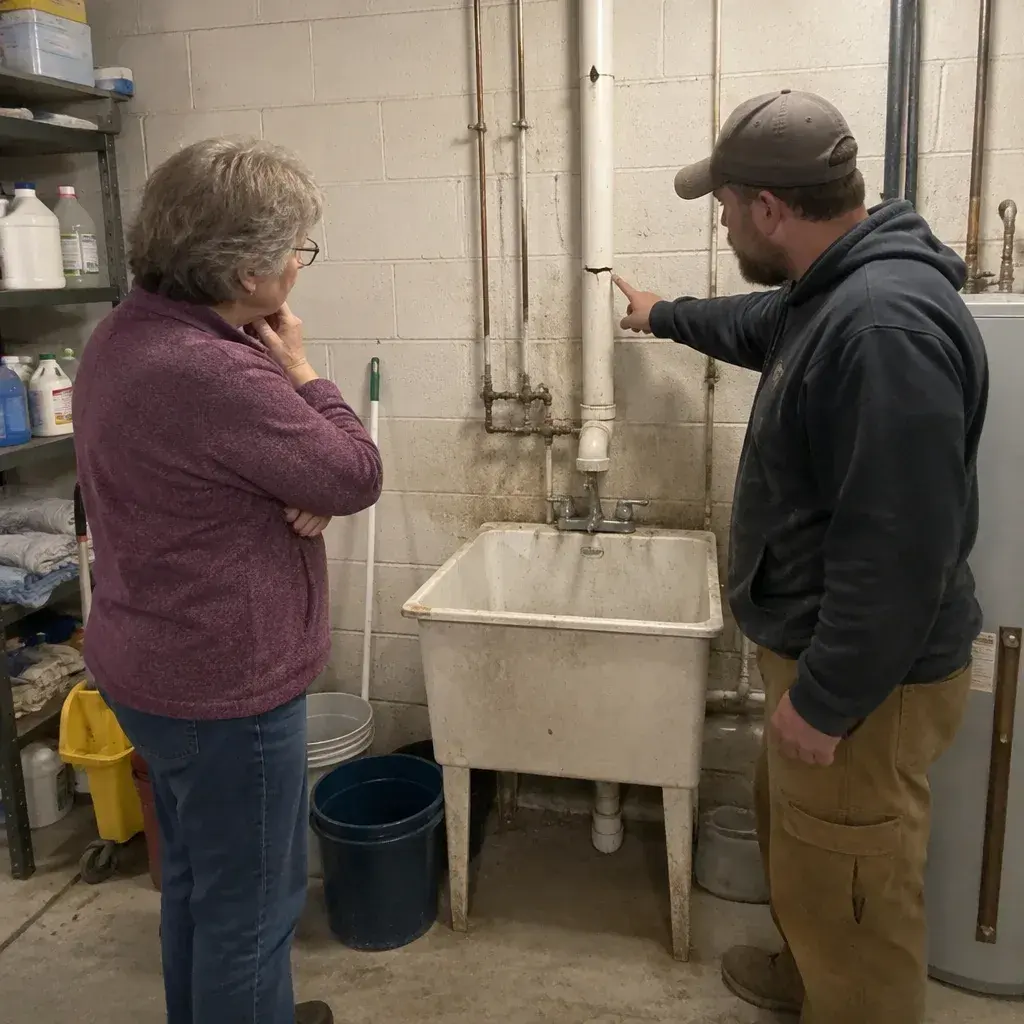
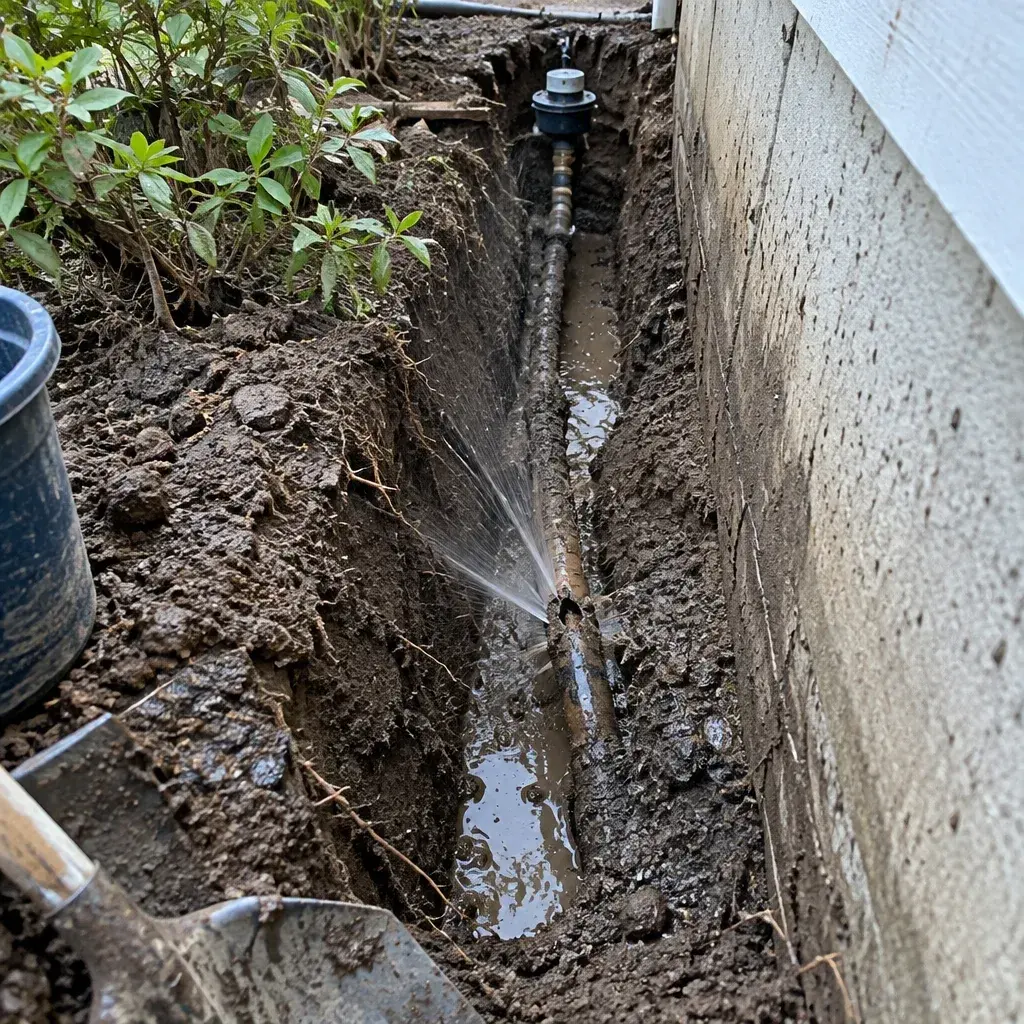
On the day a pipe split, a puddle or wet ceiling showed water had escaped. After repair, the pros we connect you with inspect the work area before judging the result. In Kentucky, that same careful look applies near the Franklin Historic Shopping District, the Morehead History and Railroad Museum, and Kentucky Dam Village State Resort Park. They look for fresh beads, a wet seam, or moisture at the repair. Each clue can point to water escaping where the pipe was joined.
A mark left from the original leak can stay visible after the plumbing is dry. Its color alone cannot show whether the repair still leaks. The plumber compares the area with what was wet before, then checks for fresh moisture at the pipe and its connections. In Kentucky, tell the plumber if a mark appeared before the repair or changed afterward. That timeline helps separate old water damage from a sign that needs another look.
Observe the Line as Water Returns
The return of water can also show whether the repaired section has restored flow through the line. The change gives them a chance to notice fresh dampness as the line fills. In Kentucky homes, a dry surface before service resumes is only an initial clue. Moisture that appears during restoration may show that water is escaping under use. The plumber can then inspect the affected point while the evidence is visible.
The pros we connect you with may pressure test repaired pipework and watch for changes at the connection. A gauge can show whether the line holds steady during the test. Any new seepage or an unexpected pressure change calls for closer attention. In Kentucky, ask which part of the line was included. A test result describes the section tested; it does not automatically confirm that every connected pipe was examined.
Check Nearby Joints and Fixtures
Water service restored, the plumber can check accessible joints beside the repair. A loose or damp neighboring connection may be a separate source, even when the repaired section looks sound. In Kentucky, this matters when more than one joint sits along the same accessible run. Ask whether nearby connections were included in the inspection. Knowing which points were seen makes the result clearer if moisture later appears elsewhere.
A fixture connected to the affected line can offer another observation after service returns. The plumber may watch a faucet or appliance connection while it runs and look for new moisture there. In Kentucky, that check helps distinguish a dry repair from a leak at a supplied fixture. If a connection becomes wet during use, tell the plumber where you noticed it and whether the dampness recurred.
Know What to Watch For Next
After the visit, notice whether a new damp patch appears near the work or on nearby surfaces as household water use resumes. A spreading mark or recurring droplets can indicate moisture is returning. In Kentucky, the original wet area may help you compare what changes. Record where and when you saw fresh moisture, then share those details with the plumber. They can help identify which part needs another inspection.
Before the appointment ends, ask which visual checks and pressure checks were completed, and which nearby joints or fixtures were included. In Kentucky, also ask what fresh signs merit a call after normal water use resumes. A clear answer gives you a useful way to follow the repair without guessing from an old stain. If new moisture appears, note its location and timing when you contact the plumber.
Dealing with a burst pipe in your home?
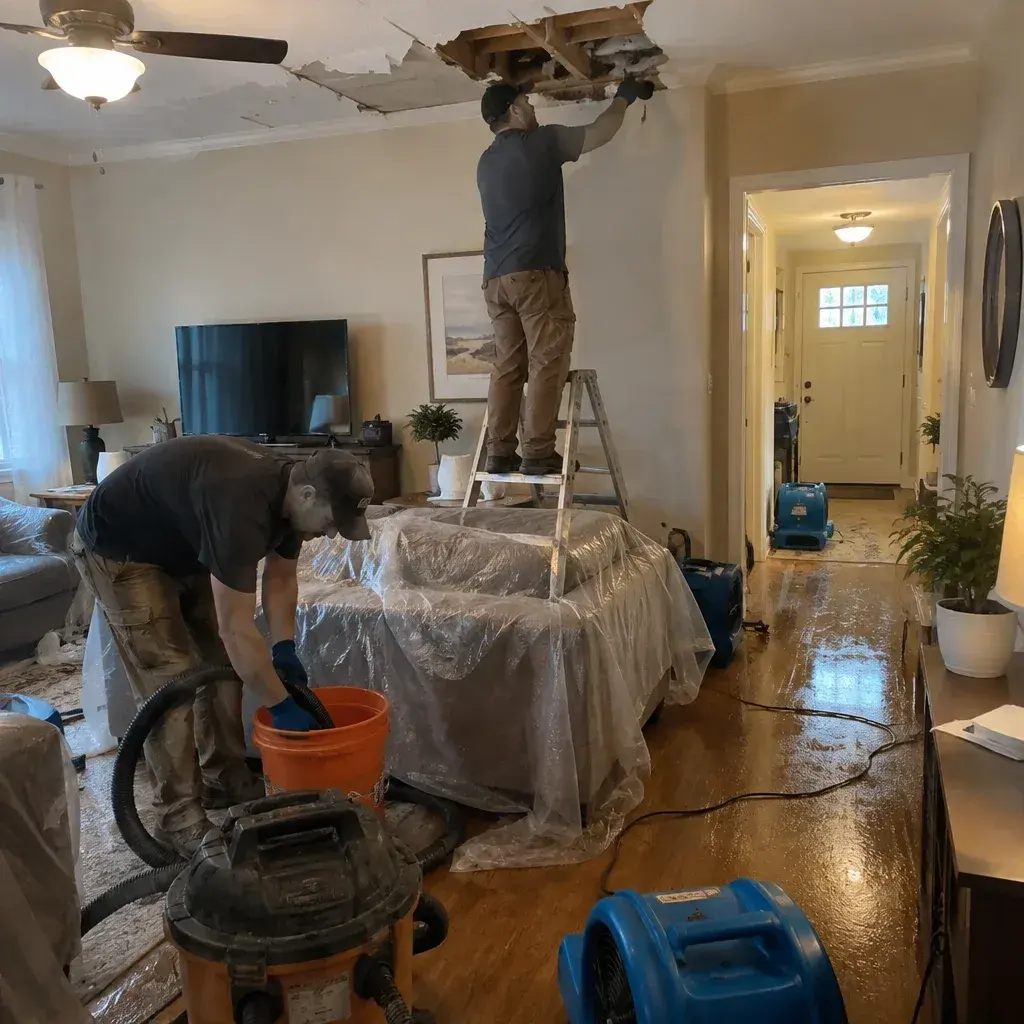
Water after a pipe break can keep spreading while the supply line remains pressurized. In Kentucky, frost and freezes can contribute, but the cause needs checking at your property. Water can soak into nearby materials before the full damage is visible. Pipe repair locates and fixes the line; extraction, drying, and rebuilding are separate restoration work. Stay clear of electrical hazards, and ask about concealed damage before access work begins.