Read the Flow Pattern
When service resumes, a tap may still deliver a thin stream, even with the break repaired. Notice whether the change affects one faucet, a group of rooms, or nearly every tap. A limited change can point toward a restriction on one branch; a widespread drop calls for a broader check. This pattern helps the pros we connect you with narrow the plumbing repair pressure issue. The same first observation applies across Kentucky, including homes near General Butler State Resort Park.
A single weak faucet can have a different cause from a weak shower and kitchen sink together. Repair work may loosen small particles, which can collect in a faucet screen or another narrow opening. That buildup can slow one outlet while nearby taps work normally. Compare a few fixtures without taking apart plumbing. Compare hot and cold flow at the same fixture to see whether the change affects one supply side.
Check Valves and Fixture Screens
A valve serving the repaired pipe can limit delivery if it remains partly turned. A pressure regulator elsewhere in the supply may also affect water delivery. If its position is unclear, avoid forcing it; a stiff or damaged control needs a plumber’s attention. A narrow opening can leave pressure weak beyond that point, even though the damaged pipe section no longer leaks. Tell the provider which valve you checked and what changed, so they can assess the line without guesswork.
A fixture screen can catch material shifted during work on a water line. That small obstruction may explain why one faucet has a weaker stream than others. The repair provider can inspect the outlet and the line feeding it, then decide where the blockage lies. Avoid changing several parts at once; doing so can obscure the cause. Across Kentucky, whether your home is near Morehead or elsewhere, a difference between neighboring taps is useful detail to share.
Watch for Signs of Another Leak
A new wet patch near the repaired section changes the concern from weak flow to possible water loss. Watch for moisture returning after you dry an accessible surface, or a mark that keeps spreading. Contact the repair provider promptly if either appears. A photo can help show whether the mark is changing while you arrange follow-up. Do not assume low pressure means the leak has stopped.
If several fixtures stay weak, the cause may extend beyond the section just repaired. Another leak or a supply problem can affect delivery to the property. A plumber can check whether the pressure loss points to the repaired pipe or elsewhere in the system. Kentucky homes near the Battle of Richmond Visitors Center and in other regions share this basic diagnostic question; their individual plumbing conditions still need inspection. Do not treat one low-flow faucet as proof of a whole-home supply fault.
When to Request a Return Visit
If flow stays low after you check an accessible shutoff, call the provider who completed the repair. Keep the repaired area clear for a follow-up inspection. A visible leak or fresh moisture makes that call more urgent. The pros we connect you with can decide whether the repaired section needs another inspection or whether the next check belongs elsewhere. Across Kentucky, a clear description helps direct that follow-up.
Before the follow-up, note which taps feel weak and whether the change began as soon as water returned. Ask the provider to verify the repaired connection under pressure and explain what they find. If the repair checks out, ask what could account for the remaining loss and what should be inspected next. This keeps the visit focused on the cause, not just the symptom. For Kentucky homeowners, those answers clarify whether the problem lies at the repair, a fixture, or another part of the supply.
Dealing with a burst pipe in your home?
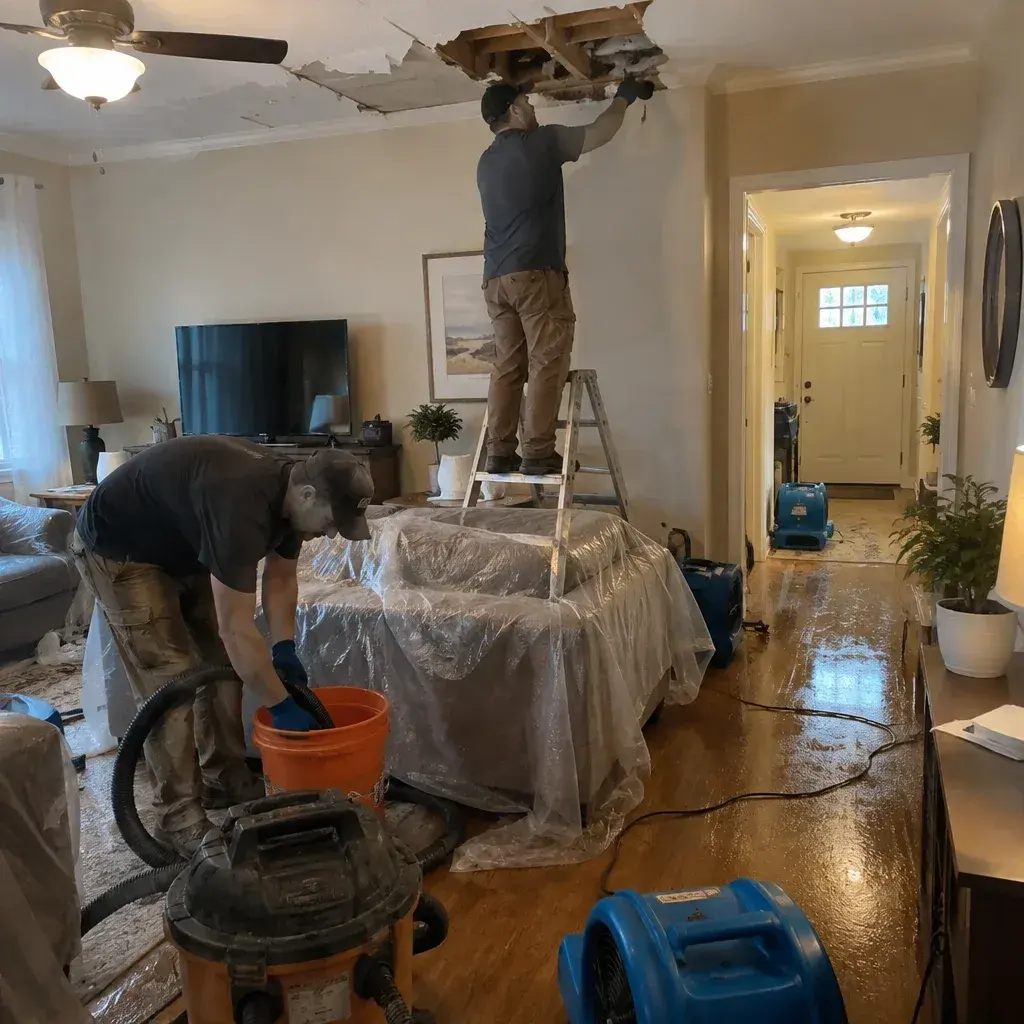
Water after a pipe break can keep spreading while the supply line remains pressurized. In Kentucky, frost and freezes can contribute, but the cause needs checking at your property. Water can soak into nearby materials before the full damage is visible. Pipe repair locates and fixes the line; extraction, drying, and rebuilding are separate restoration work. Stay clear of electrical hazards, and ask about concealed damage before access work begins.