Record the First Visible Clues
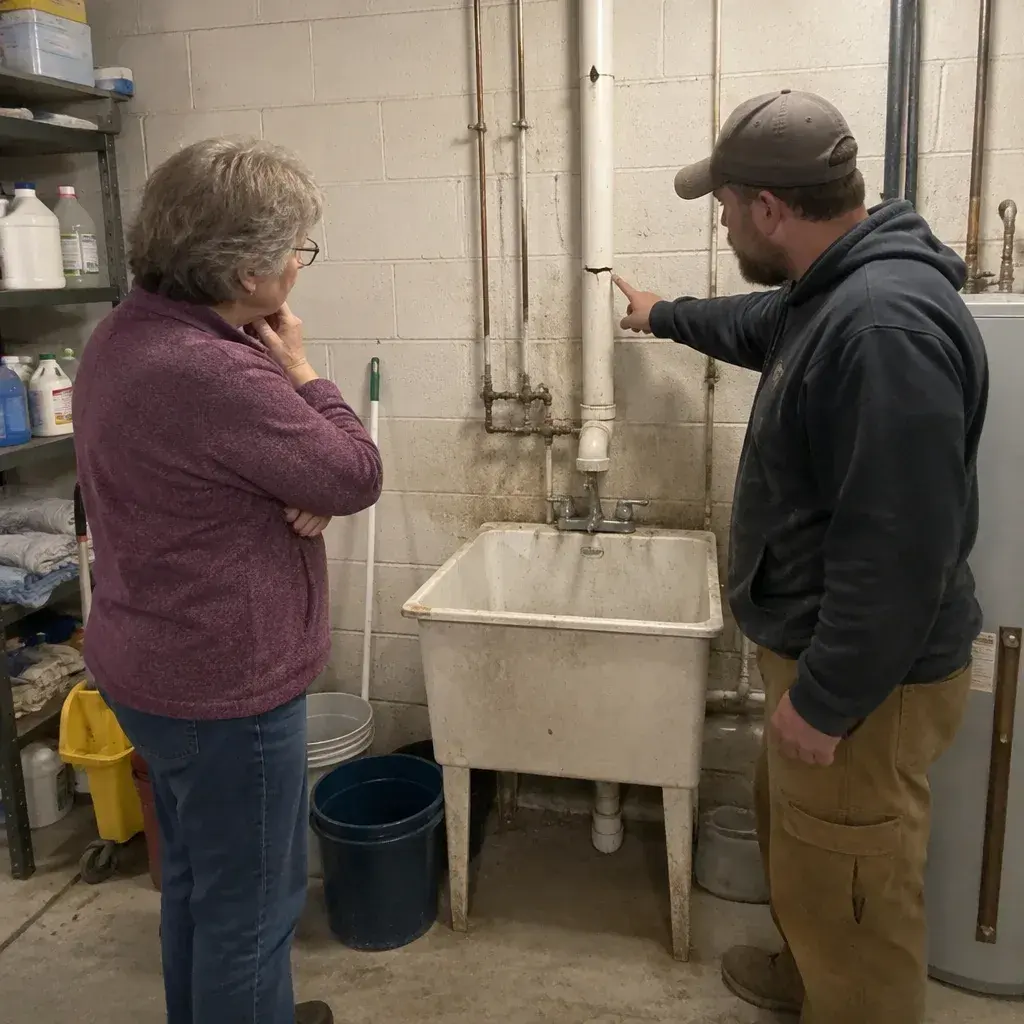
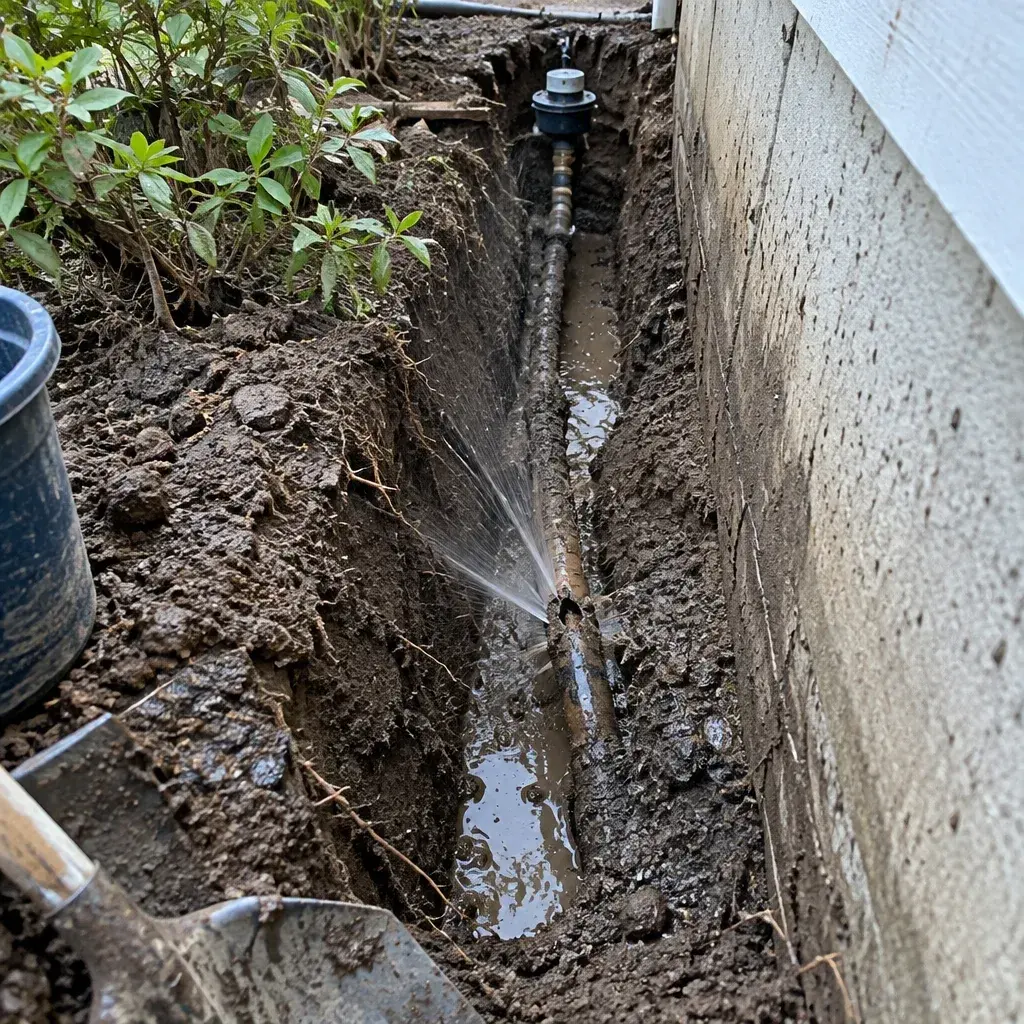
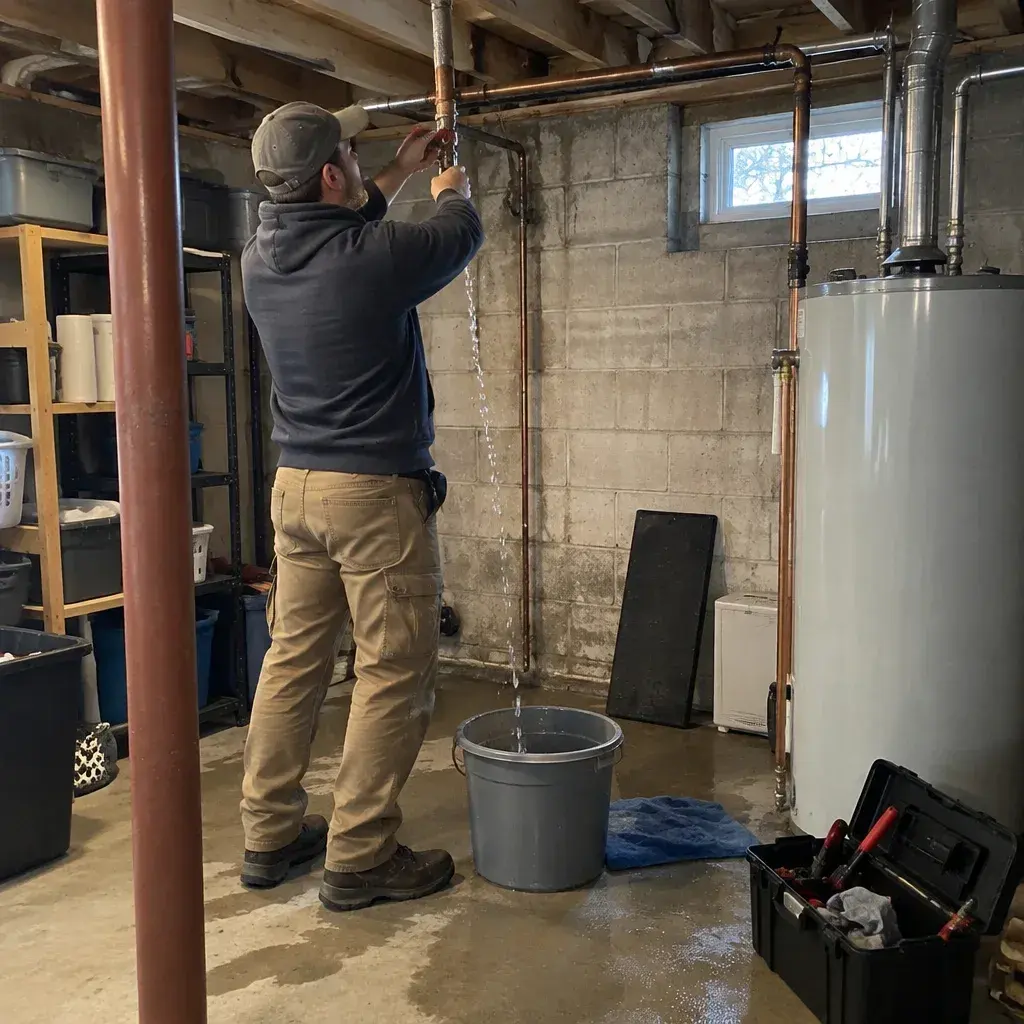
A spray, drip, or fresh patch of dampness gives the plumber a starting point. Describe what you noticed and where it showed: under a sink, beside a water heater, or across a ceiling. Say whether you saw a steady stream, occasional drops, or only a wet mark. A change in water pressure or an unusual sound can add context, even when no leak is visible nearby. Clear observations help the pros we connect you with understand your pipe repair service request.
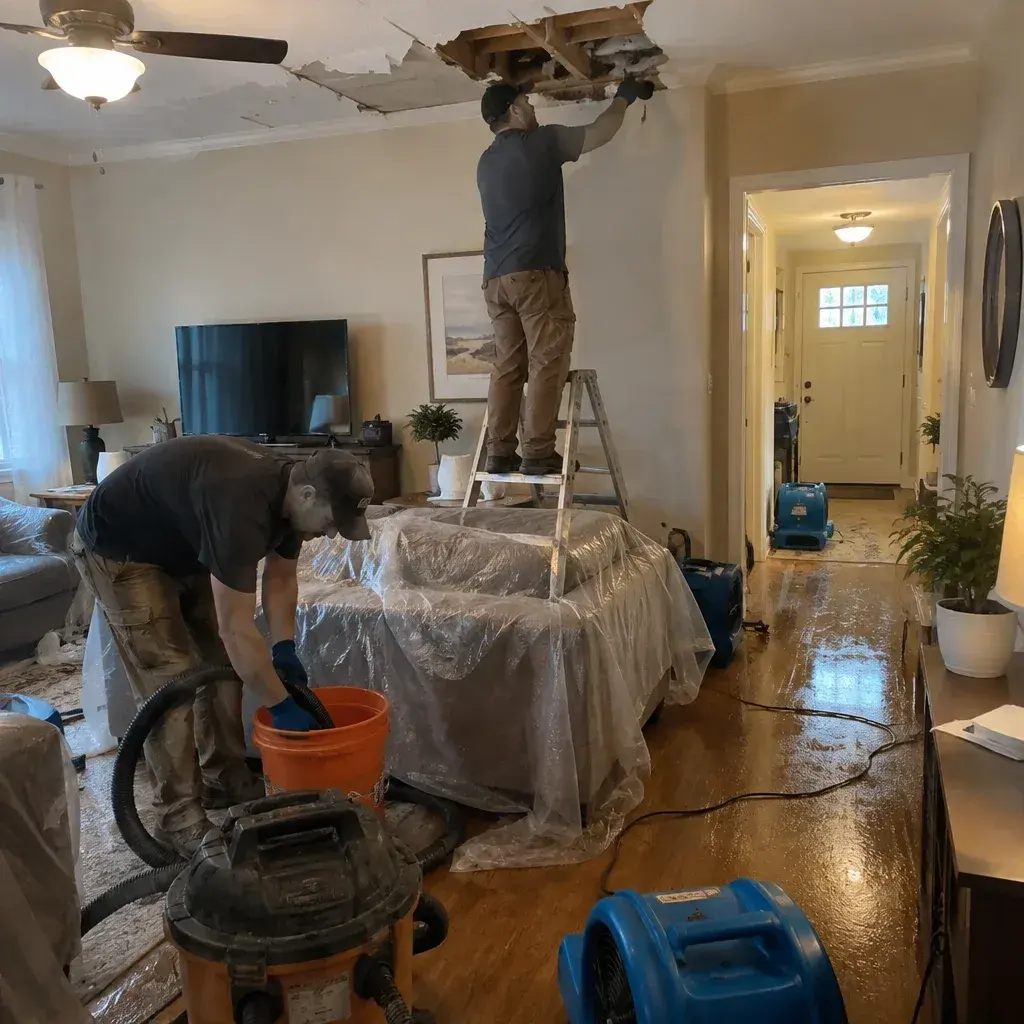
Give the room and level where each sign appeared, then name the surface involved. A mark on a hallway ceiling differs from water around a laundry hookup. If you saw changes in more than one place, describe each separately. Note whether nearby paint, flooring, or trim feels soft, swollen, or newly discolored. For a Kentucky property, a simple room-by-room account gives the plumber useful repair details before arrival.
Describe Changes and Water Status
A stain appeared on the kitchen ceiling Tuesday; by evening, the paint had bubbled. When you call about a Kentucky burst pipe, describe the first sign and what changed afterward. Say whether you saw a spray, a drip, a damp patch, or heard water without seeing a leak. For a home near the Montgomery County History Museum, that sequence gives the plumber useful context. The same clear account helps whether the sign appeared suddenly or you discovered it later.
Name each room where you found water and any fixtures that lost pressure. Note whether the water appeared suddenly or spread gradually, since timing may help explain what happened. For a Kentucky home near Saunders Springs Nature Preserve, these details help the pros we connect you with understand what changed across the property. Also mention any unusual pipe noise you noticed before water appeared. This gives the plumber a useful picture of the home’s water status without requiring you to inspect wet or unsafe areas.
List the Spaces and Safe Entry
List the spaces that show signs of water, then note where water service seems affected. For example, say whether the laundry area is wet and whether a nearby sink still works. Avoid broad guesses such as saying the whole building is affected when you have checked only one room. If you could tell safely, note whether the water looked clear, cloudy, or carried debris.
Describe what can be approached from a dry, clear area and what is blocked by stored items, a locked door, or a finished surface. If a shutoff is plainly reachable, note its location and whether you already turned it off. In Kentucky, tell the provider about access limits before the visit, including whether someone needs to open a door. This lets the plumber plan around the conditions you can safely describe.
Add Recent Work and Photos
If plumbing work or a fixture change happened near the affected area, include what changed and roughly when. A recent alteration may help explain why a connection now leaks, though it does not prove the cause. In Kentucky, mention any temporary clamp already placed on an exposed pipe and whether the leak changed afterward. A homeowner near My Old Kentucky Home State Park can share these plumber repair details just as someone elsewhere in the state can. Leave any repair already underway for the plumber to assess.
When a supply line split, you may have noticed a spray, a damp patch, or water pooling indoors. A loose joint or a crack in the pipe can both lead to a sudden leak. Water may spread beyond the first damp spot, so note any new areas as they appear. Include access limits and the visible pipe material, if known; copper, PEX, and CPVC need compatible parts. Across Kentucky, requests come from areas near Louisville Muhammad Ali International Airport, Pine Mountain State Resort Park, and Kentucky Dam Village State Resort Park.
Dealing with a burst pipe in your home?
Water after a pipe break can keep spreading while the supply line remains pressurized. In Kentucky, frost and freezes can contribute, but the cause needs checking at your property. Water can soak into nearby materials before the full damage is visible. Pipe repair locates and fixes the line; extraction, drying, and rebuilding are separate restoration work. Stay clear of electrical hazards, and ask about concealed damage before access work begins.