Sediment Lifted During Pipe Work
When a repaired pipe carries water again, movement can lift fine sediment from its inner surface. That material can tint water brown or make it look cloudy after plumbing. The change may appear soon after the work, then fade as the loosened particles move through. In Kentucky, this is one possible reason for discolored water after repair. The color alone cannot identify the source, so notice where it appears and whether it changes.
Across Kentucky, the same question may come from homes near Morehead History and Railroad Museum, Battle of Richmond Visitors Center, or General Butler State Resort Park. Those landmarks show the range of settings across the state; they do not point to a plumbing cause. A faint tint after work can fit temporary disturbance, while a strong or lasting change deserves follow-up. The next clues are which taps show it and whether hot water looks different.
What Hot And Cold Patterns Suggest
At a faucet in Kentucky, check whether the color appears with cold water, hot water, or both. Each temperature follows a different route through the home's plumbing. A change on one side may help the provider focus on that route. If both sides look alike, the cause may be farther upstream in the shared supply path. These patterns narrow the question, but they do not confirm which pipe or fitting needs attention.
Notice which side changes first and whether the appearance differs between temperatures. A hot-only tint points attention toward the hot-water path; a cold-only tint points elsewhere. Write down the first affected fixture and the order in which others change. In Kentucky, these details can help the repair provider decide whether to review the work area or trace another section. They are clues for inspection, not proof that the repaired joint has failed.
When The Color Lasts Or Returns
A short-lived tint differs from water that remains visibly cloudy or brown. In Kentucky, note when the change began and whether it faded without returning. Compare the water at an unaffected fixture with the repaired one to see whether the change is isolated. A lasting change may need a closer look at the repaired section or nearby plumbing. Do not assume the water's appearance will resolve on its own when it stays altered.
If clear water changes color again later, record when it returned and what was happening beforehand. A later change may mean the first disturbance was not the whole explanation. Tell the provider whether the same fixture changed again or a different one did. In Kentucky, that sequence gives them a reason to review the repair and consider whether the source lies farther along the line.
What To Report And Ask Next
After a pipe repair, water may look cloudy when work disturbs sediment inside the line. That temporary change can come from material stirred loose during the repair. In Kentucky, whether cloudiness appears in hot water, cold water, or both may help the provider assess where it is occurring. If the water stays discolored, changes again later, or several taps are affected, follow the repair provider’s advice and contact them or your water supplier. The question can arise anywhere in Kentucky, including near Perryville Battlefield State Historic Site, Kentucky Dam Village State Resort Park, and Morehead History and Railroad Museum.
When you contact the repair provider, describe the color, affected temperatures, fixtures, and timing. Say whether the change faded, stayed visible, or returned. Follow their advice about the next step, and contact the water supplier if the discoloration persists, returns, or affects multiple taps. Keep a clear photo of the water’s appearance to help describe the change to the repair provider.
Dealing with a burst pipe in your home?
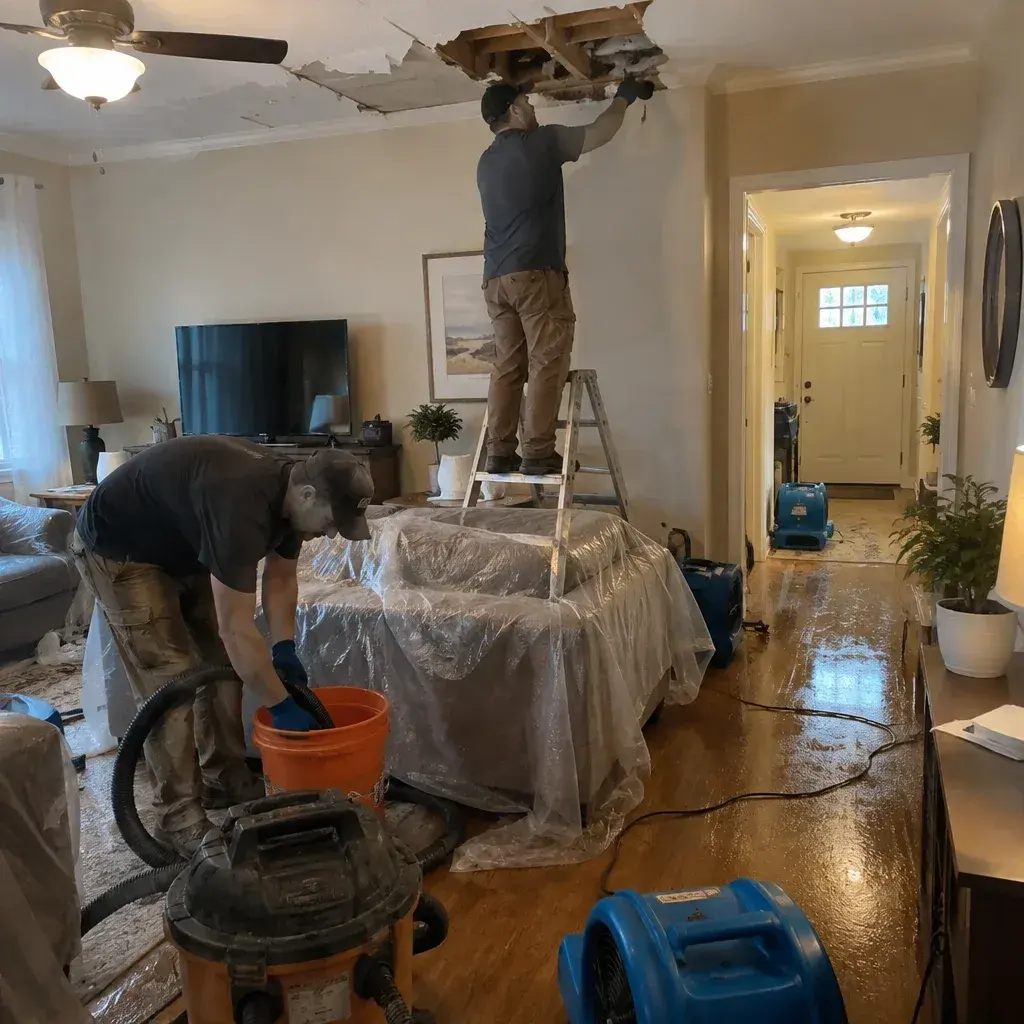
Water after a pipe break can keep spreading while the supply line remains pressurized. In Kentucky, frost and freezes can contribute, but the cause needs checking at your property. Water can soak into nearby materials before the full damage is visible. Pipe repair locates and fixes the line; extraction, drying, and rebuilding are separate restoration work. Stay clear of electrical hazards, and ask about concealed damage before access work begins.