Apartment Burst Pipe Repair
Shared Building Plumbing
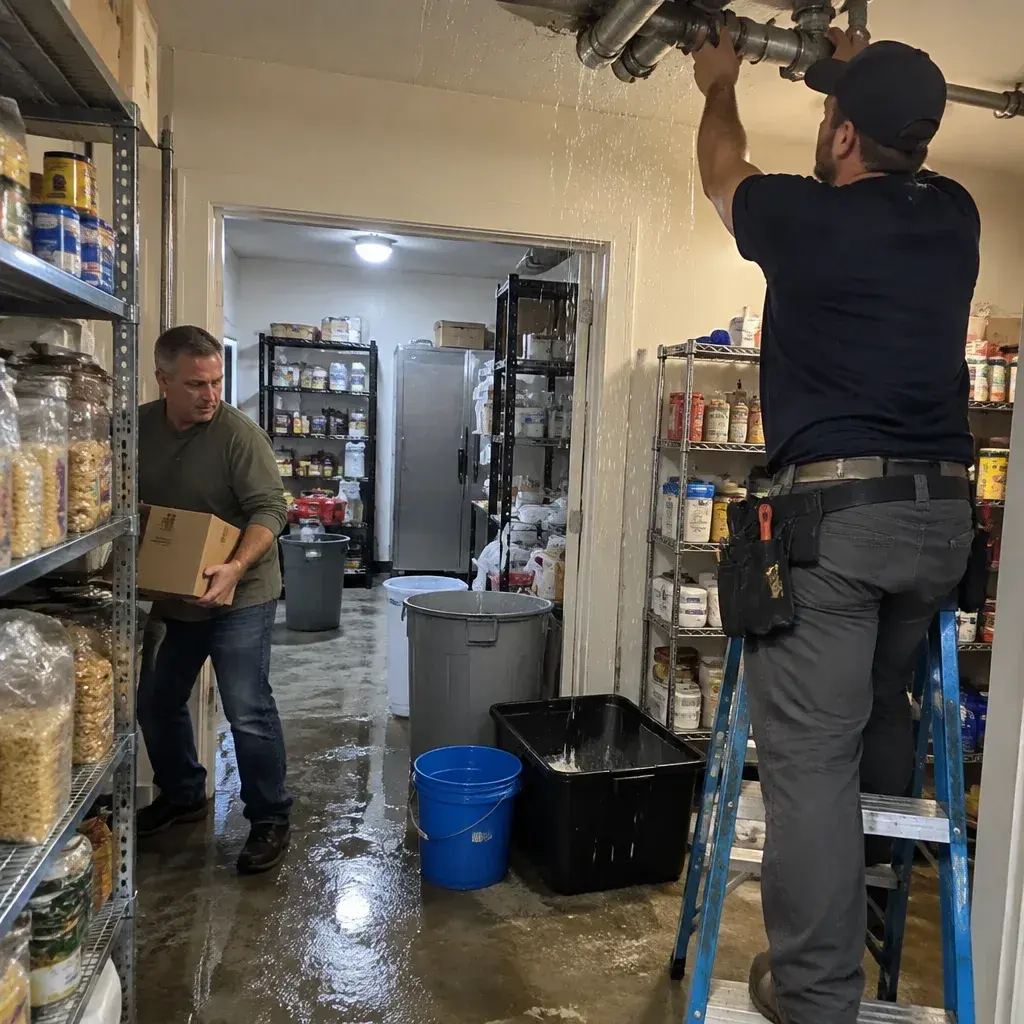
Coordinate industrial pipe repairs across Kentucky sites, accounting for process needs, access, and staged water return.
A plumbing professional locates the break, assesses compatible repair options, and checks the repaired line for leaks. Map site dependencies and isolation points first, then restore water to production and support areas in stages as operations approve.
A pipe failure during a production shift can affect more than the wet area. In Kentucky, industrial burst pipe repair starts with understanding which properties, zones, and processes share the damaged line. A company with sites near Lake Cumberland State Resort Park, Louisville Muhammad Ali International Airport, and Pine Mountain State Resort Park needs a clear picture of each facility’s layout. That picture helps the pros we connect you with plan a repair around operations and support needs, instead of treating every location as if its systems were identical.
For each Kentucky facility, map the affected production zones and support areas against the water services they use. A break near a washdown station, for example, may affect a different process than one serving a cooling system or staff area. Mark what stopped, what remains available, and which areas share a branch. This gives operations and maintenance a common view of the disruption. It also helps identify whether isolating one part of the system could keep other areas supplied while the damaged pipe is addressed.
Note when staff first found the problem and how its effects have changed at each Kentucky property. Record visible water, affected equipment, and any production or support functions taken offline. Water can emerge away from the failed section, so a wet ceiling or floor may not show where the pipe split. Keep observations tied to a room, zone, or equipment label on the facility plan. That detail helps the plumbing professional investigate the right area and gives the team a useful starting point for its repair record.
Access planning affects how safely and smoothly a repair can proceed in an active Kentucky plant or warehouse. Tell the plumbing professional which entrances are available, who can escort them, and what routes cross controlled work areas. Operations and maintenance can flag shift changes, equipment movement, and spaces that cannot be entered during production. For warehouse pipe repair, identify aisles or stored goods that limit access to the line. If leaking water creates an electrical hazard, keep staff clear and do not approach the affected area.
Before isolating a Kentucky facility’s line, identify the processes and support systems that depend on it. Cooling, cleaning, sanitation, and other water-dependent work may stop when a shared branch is closed. Compare the system plan with what operators know on the floor; undocumented connections can change the isolation boundary. A plumbing professional can use that information to assess which valve may separate the damaged section from other services. Operate a shutoff only when it is safe to reach and use, away from electrical hazards.
| Site area | Process link | Repair note |
|---|---|---|
| Service zone | Production line or equipment feed | Washdown, staff, or building utility |
| Isolation point | Valve serving one process branch | Shared shutoff affecting several departments |
| Affected zones | Water needed for a scheduled production step | Sanitation, break areas, or building services |
| Work access | Operations sets a safe pause window | Maintenance identifies access needs and escorts |
| Work clearance | Guarded machinery or a restricted work cell | Lift clearance, ceiling route, or utility room |
| Repair specification | Existing line material and pressure conditions | Fitting dimensions and connection method |
| Restart order | Process owner verifies supply for equipment | Facilities checks dependent building services |
| Map references | Crittenden County Historical Museum map cue | Outdoor recreation and history offer visitors different ways to explore. |
The repair approach at a Kentucky industrial site depends on where the break sits and what access it requires. A visible pipe in a service space may be reachable without disturbing production, while a concealed line may need access to the affected area. The failed section can then be assessed for repair or replacement. Share equipment clearances, overhead work limits, and nearby operations before the scope is set. If access would put anyone in an unsafe space, keep the area clear until a safe plan is established.
Once the damaged portion is located, its material, diameter, connection style, and condition guide compatible parts and joining methods. A Kentucky industrial line may need a replacement section and fittings suited to the installed system; the professional must assess the actual pipe before choosing. Mismatched components can create another leak. The scope should describe the affected length, connections, and any access work needed, so maintenance can understand what the repair covers and what must be coordinated before production resumes.
For Kentucky warehouse pipe repair, access details can shape the work as much as the pipe itself. Identify loading routes, lift access, racking, stored materials, and equipment that could restrict movement around the damaged area. Operations can also name a site contact who understands the facility’s entry process and can coordinate with maintenance. This information helps the plumbing professional plan access without disrupting unrelated work areas. Keep people away from wet spaces where electrical equipment or other hazards may be present.
After the repair, the plumbing professional checks the work as water service returns and looks for leakage at the repaired connections. In a Kentucky facility, restoration can be planned by zone when the pipe layout allows. Operations can identify which production or support area is ready to receive service first, based on process needs and equipment readiness. A clear sequence gives staff a practical way to coordinate the return of water across connected areas without treating the entire building as one operating unit.
As Kentucky production and support areas come back online, the staff responsible for each system can watch for unexpected flow, pressure, or equipment changes. Report those signs promptly so the plumbing professional can assess whether they relate to the repaired line or another dependency. Keep the restoration plan visible to operations and maintenance, including which zones remain isolated. This shared status helps prevent a team from assuming that all connected services are ready when only one area has resumed normal operation.
Keep a repair record for each Kentucky property, with the affected zone, pipe location, isolation points, work completed, and parts used. Note which production and support systems were unavailable and when service returned to each area. If several facilities are involved, use consistent labels while preserving each site’s own system map. These records help maintenance compare the documented condition with future observations and give operations a clear account of the disruption. They also make the agreed repair scope easier to review later.
The plumbing scope for a Kentucky burst pipe covers the damaged line and checks on the repair. Water removal, drying, and rebuilding affected finishes may need a separate provider. Keep those tasks distinct in the facility plan so the pipe work and building recovery can be coordinated without confusion. Water left around equipment or materials may affect the next operating decision, so identify the affected area and route the cleanup need to the appropriate team. Do not enter a wet area with electrical hazards.
For industrial burst pipe repair across Kentucky properties, bring together each site’s system map, affected processes, known isolation points, and access requirements. The pipe’s cause should be assessed from its condition; cold weather alone does not establish why it failed. For emergency burst pipe repair, the cost scope can depend on the damaged section, parts, access needs, and the areas that require coordinated restoration. A consistent information set helps the pros we connect you with review each property while accounting for its distinct operations.
When you contact the pros we connect you with, have a Kentucky site contact ready to coordinate with operations and maintenance. Share the facility address, affected zones, process dependencies, system plans, available isolation points, and access limits. Ask for a repair scope that identifies the damaged line, proposed work, and service restoration considerations for production and support areas. State plumbing rules apply to plumbing work, but the sources do not establish one permit requirement for every repair. Confirm any requirements that apply to the work planned.
A burst line can halt a production cell while leaving offices and other areas supplied. In Kentucky, multi-site planning starts by showing which functions rely on each affected branch. A statewide register might use references such as Toyota Motor Manufacturing Kentucky, Southeast State Correctional Complex, and Lake Cumberland State Resort Park to distinguish sites on a portfolio map. Operations and maintenance can then identify entry needs, process links, and workable isolation points. That shared picture helps a plumbing professional define the repair scope and plan which areas can return to water service first.
A burst pipe can soak walls and floors quickly, so prompt repairs help limit water damage and restore normal use; ask the licensed pros we connect you with whether your address is served.Benton, Berea and Betsy Layne. Request a repair estimate with the appointment terms, and ask whether reaching your home adds a charge.
At a Kentucky production facility such as Toyota Motor Manufacturing Kentucky, a commercial repair quote may start with a visit. Use $350–$1,300 to frame budgeting. The final amount can depend on the line’s capacity, how frequently service is needed, access for tracing, and the materials that fit the existing pipe.Across Kentucky, line diameter and damaged length shape compatible parts, which can shift a business estimate. When calling the pros we connect you with, share the pipe size if known, break location, and whether water is off. A shop near Saunders Springs Nature Preserve may need a different parts list.The pricing guide identifies variables that shift a repair bill; the commercial overview traces how commercial conditions shape the work.
Shared Building Plumbing
Commercial Office Plumbing
Kentucky Hospitality Plumbing
Give the plumbing professional a site-by-site summary of affected production and support functions, known valve locations, and entry requirements. Operations can flag equipment dependencies; maintenance can provide current drawings or explain gaps. For properties across Kentucky, use consistent site identifiers so details stay tied to the right facility. This helps shape a repair scope and coordinate access without confusing one site's conditions with another's.
Review the piping layout with operations and maintenance, then identify valves that serve the damaged branch. Check what each option would interrupt, including connected process equipment and support areas. If a suitable boundary can be isolated safely, it may leave unrelated functions supplied. The plumbing professional can assess the line and repair options once water flow is controlled. The licensed pros we connect you with can check nearby joints for signs of stress before service resumes.
Collect site-specific piping drawings, valve labels, asset IDs, and previous repair notes. Add the pipe's material, dimensions, and connection details when known. Process diagrams or equipment records can show water dependencies that plumbing plans omit. Keep each property's documents linked to its own work record; this lets teams compare scopes and service status without assuming facilities share the same layout.
The plumbing professional finds the damaged section and assesses its condition, access, and connected fittings. Depending on the line, a lasting fix may use a compatible repair fitting or replace part of the pipe. The repaired area is checked for leaks as water service returns. Extraction, drying, and rebuilding after water damage fall outside the plumbing line repair.
Share affected systems, possible isolation points, and site entry needs with the pros we connect you with to plan repair and staged restoration.
Call (502) 444-8278