Record the Sign and Finding
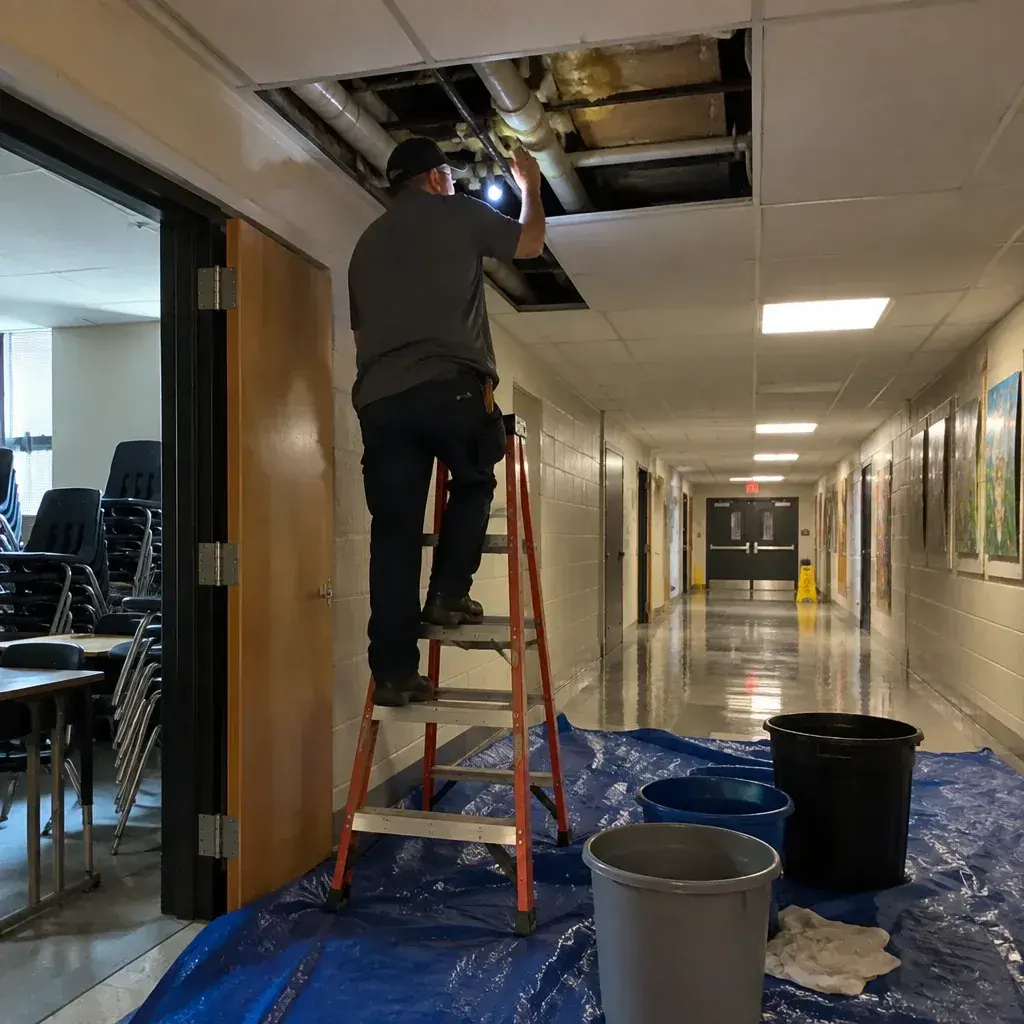
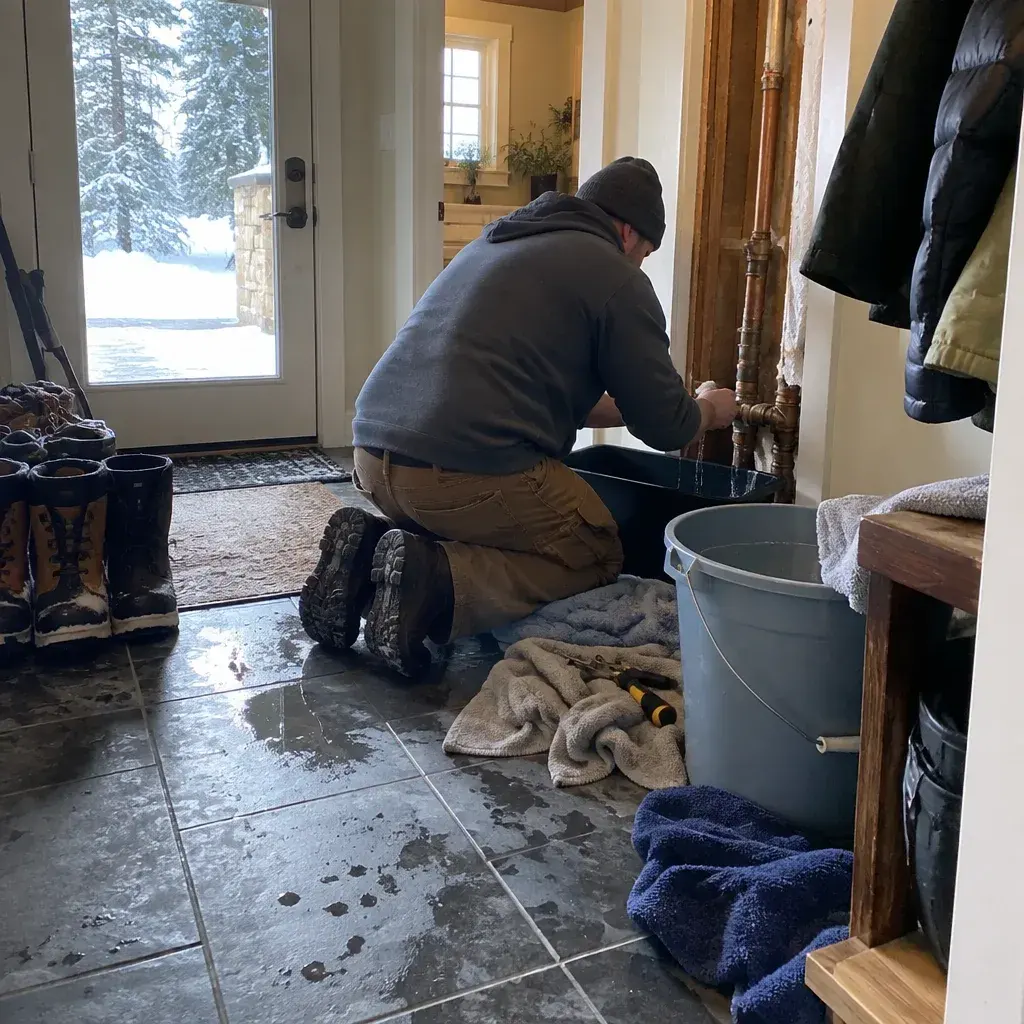
On a cold morning, you find water spreading below a ceiling near Louisville Muhammad Ali International Airport. The first estimate detail should separate what you saw from what the plumber could confirm. A damp patch may mark where water traveled, not where the pipe split. Ask that the notes identify the visible sign and the suspected line. In Kentucky, that distinction matters because a written record can prevent an assumption from becoming approved work before the damaged section is located.
The proposed work should follow the finding in clear steps. A clear diagnosis should distinguish the damaged pipe from nearby moisture that may have another source. If the break is already exposed, the access step may not apply. A home near Perryville Battlefield State Historic Site and one elsewhere in Kentucky still need a scope tied to the actual property. Ask which steps are confirmed and which depend on what appears after access.
Name Parts and Work Steps
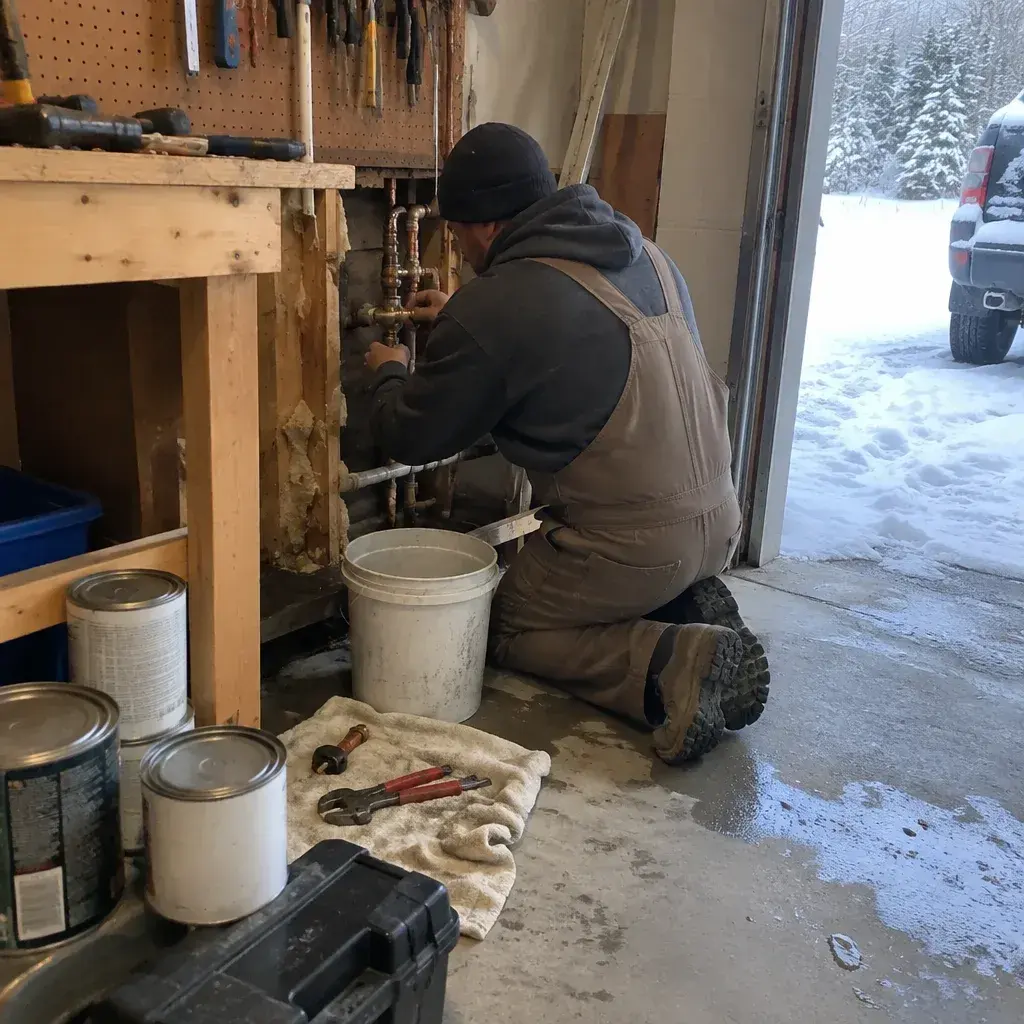
A useful parts description helps you understand what will join the repaired line. A note about nearby shutoff valves can clarify how the repair area will be isolated. Copper, PEX, and other systems need compatible connections. If the existing line cannot be identified yet, the document should say so instead of naming a part as certain. Across Kentucky, those details help you see whether the proposed repair matches the pipe found at your home.
Labor notes should name the tasks, not just label them plumbing work. They might cover locating the break, gaining access, removing damaged pipe, fitting the replacement, and testing water flow. The listed work should make sense beside the proposed parts. If a step is not included, ask whether it is outside the estimate or still undecided. Ask whether debris removal and surface restoration are included after the pipe is tested.
Mark Work Outside Plumbing
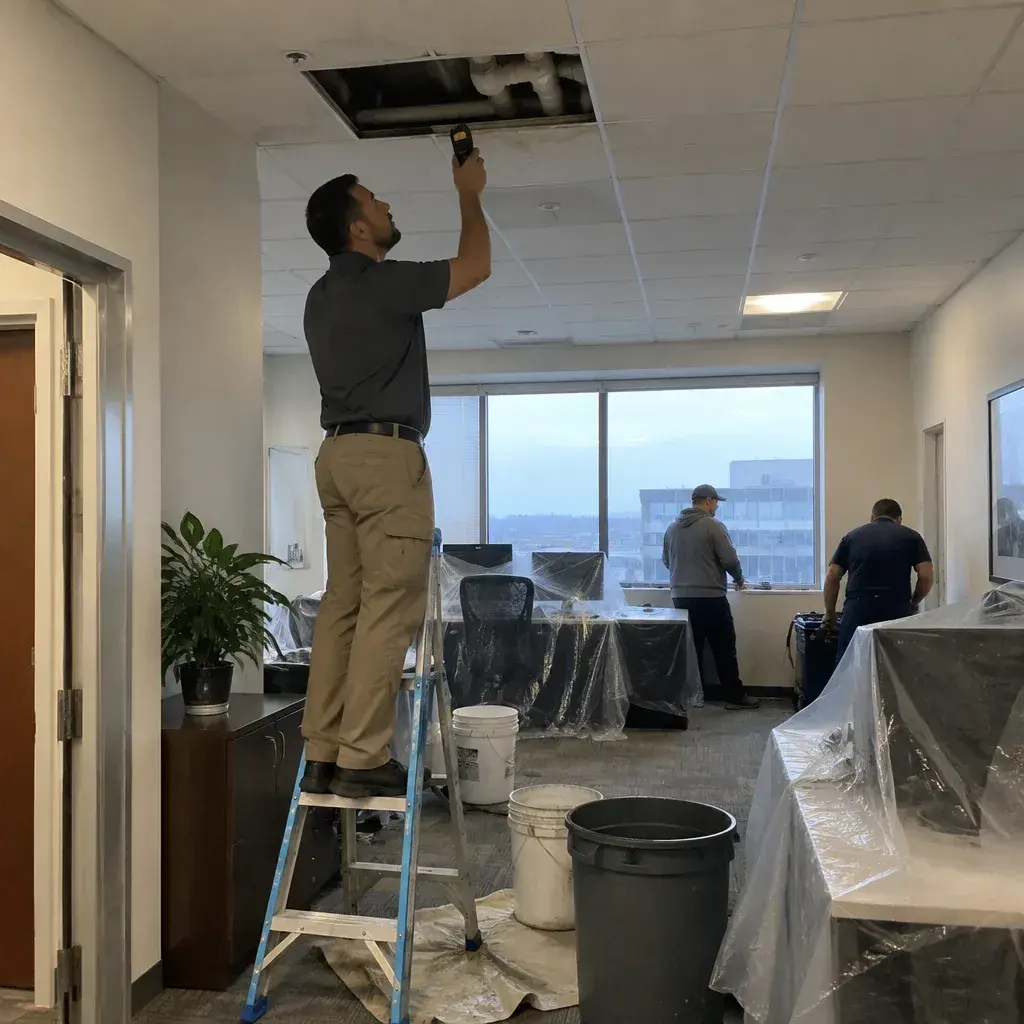
The estimate should draw a clear line between plumbing and damage to rooms or belongings. Repairing the supply pipe does not by itself describe water removal, drying, or rebuilding a wall or floor. Ask which of those tasks the document covers and which may need another provider. This matters in Kentucky homes where water has reached finished surfaces, since leaving the boundary vague can leave you expecting restoration work that the plumbing scope never included.
Some findings only become clear once the pipe is exposed. The estimate can mark the known repair separately from possible added work, such as extending access if the damaged area continues beyond what is visible. It should explain what condition would trigger a change and how you will hear about it. In Kentucky, that note helps you understand what you are approving now and what still needs your decision after inspection.
Resolve Questions Before Approval
Before authorizing the work, resolve gaps between the stated problem and the planned repair. Ask whether the estimate covers the full damaged section, the fittings needed to reconnect it, and a leak check after water returns. If the pipe location or extent remains uncertain, ask what the plumber needs to confirm it. A written burst pipe estimate should leave you able to describe the repair in your own words before you agree to it.
Keep the accepted estimate with any later written change. If the findings shift after access, ask for the added task and reason to be recorded before that work proceeds, when practical. Confirm who will explain the change and how you can approve it. That record helps you distinguish the original repair from later decisions. Across Kentucky, clear approval notes can prevent confusion about what the provider was asked to complete.
Dealing with a burst pipe in your home?
Water after a pipe break can keep spreading while the supply line remains pressurized. In Kentucky, frost and freezes can contribute, but the cause needs checking at your property. Water can soak into nearby materials before the full damage is visible. Pipe repair locates and fixes the line; extraction, drying, and rebuilding are separate restoration work. Stay clear of electrical hazards, and ask about concealed damage before access work begins.