Kentucky Pipe Repair Clamps: Uses and Limits
A repair clamp uses a bolted band and gasket to contain a localized leak when its specifications match the pipe and damage.
A pipe repair clamp can contain a localized split when its seal bears on sound pipe, but it leaves the damaged length in service. That makes it temporary until the section is replaced. In Kentucky, weigh repeat-leak risk against cut-out costs; access around Louisville, Morehead, or Pine Mountain can affect how much pipe must be replaced.
How the Clamp Makes a Seal
Water on a utility room floor can turn a pipe failure into a repair bill. In Kentucky, a burst pipe repair clamp may limit a leak while you compare that option with replacing the damaged section. The choice depends on whether the seal can hold within the product’s limits. At Franklin Historic Shopping District and elsewhere, the cost question starts with the pipe, the opening, and what must change to make the line dependable.
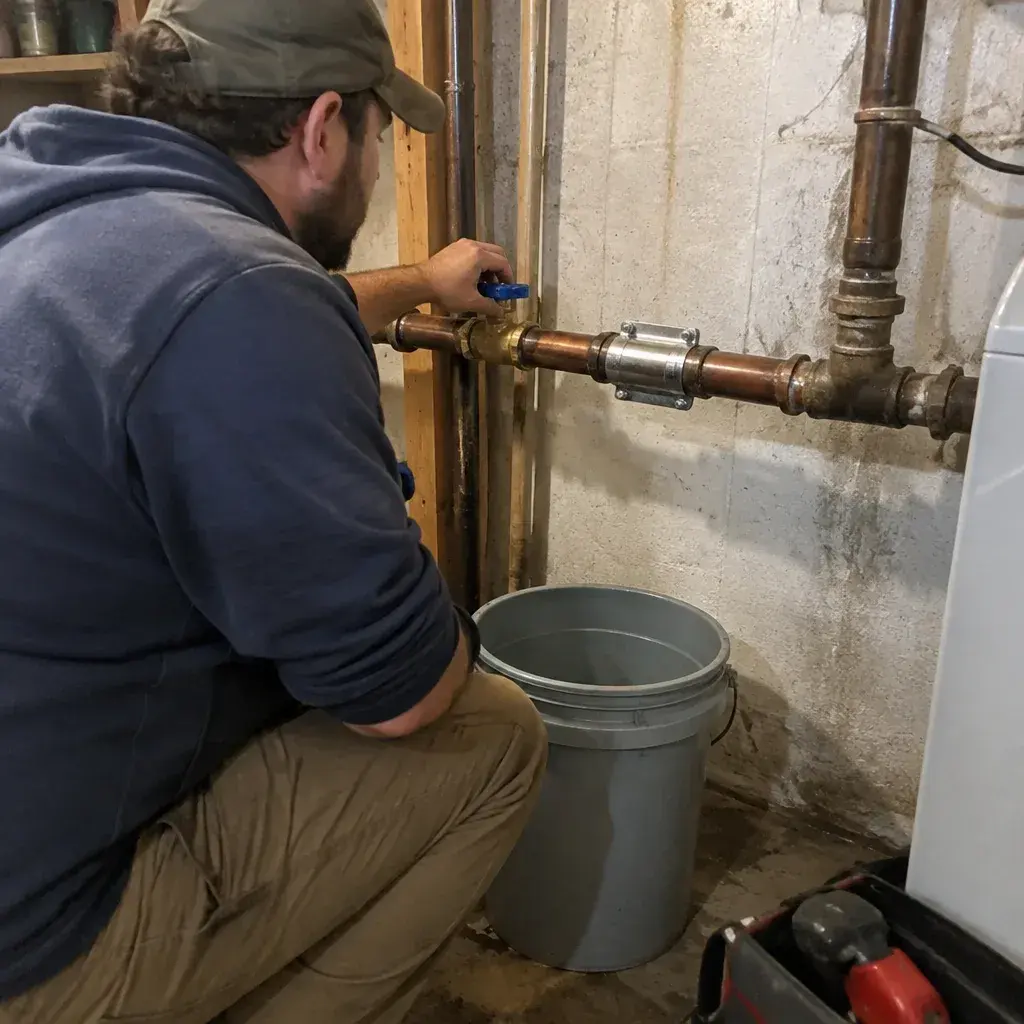
A pipe repair clamp wraps a housing around the line and presses a sealing pad over the leak. Bolts pull the housing snug, while the gasket spreads pressure across the contact area. That broad seal matters: a pinched edge can leave a path for water. In Kentucky, a clamp is useful when the break is contained beneath the pad and sound pipe supports the seal. Its limited footprint can make it less disruptive than cutting out a short section.
Clamp fit depends on the pipe, not appearance alone. Clamp pressure must be spread evenly so the gasket stays in contact with the pipe. The maker’s specifications also set acceptable pressure and damage types. A product that fits around a line may still be unsuitable for that system. In Kentucky, check those details before comparing clamp cost with the labor and parts needed to remove damaged pipe and join a replacement. Compare those costs first.
Fit the Clamp to the Pipe
The first cost comparison is between sealing in place and cutting out the damaged length. A clamp may reduce work when the leak is small, exposed, and within its listed use. Replacement takes more steps, but may be needed when the seal cannot cover the break. Across Kentucky, pipe access and the connection method affect the estimate. The pros we connect you with can explain which work follows from the pipe’s condition and product limits before approving either approach.
Damage shape changes the calculation. A short puncture may sit beneath a clamp’s gasket, while a split can extend beyond its edges and keep leaking. A rough or dirty pipe surface can interfere with contact between the gasket and the line. In Kentucky, do not judge by the visible drip alone; water may run along the line before falling. The opening’s length and position determine whether clamping can control it or replacement is needed. That distinction can change scope.
A clamp’s rating sets a boundary for use. Compare the manufacturer’s stated pressure range with the water line’s operating conditions, then follow its placement and surface instructions. If the label limits the product to emergency service, the clamp is not a lasting repair. At Toyota Motor Manufacturing Kentucky and in homes statewide, product instructions still govern the part’s use. A temporary seal may buy time, but delaying a compatible repair can leave the leak unresolved before choosing a repair.
Weigh a Clamp Against Replacement
Installation conditions can add work before a clamp goes on. The pipe needs room for the housing and fasteners, plus a surface that lets the gasket seat as designed. A cramped run or rough contact area can prevent even sealing. In Kentucky, avoid reaching through standing water or near energized equipment to get to a pipe. Safe access affects whether clamping is practical; if the area cannot be approached safely, leave it to qualified help before any repair begins.
Winter frost can contribute to pipe breaks in Kentucky, especially where plumbing is poorly insulated or a space is unheated. That context does not tell you why a particular line failed. A clamp only addresses a leak that its design can contain; it does not correct other damage along the pipe. When water returns, a seal that shifts or leaks again changes the cost comparison. The damaged section may then need removal and replacement before deciding on a repair.
Know When the Fix Is Temporary
A long tear, crushed pipe, damaged joint, or leaking area larger than the gasket can rule out a clamp. The same applies when the product does not list the pipe material, diameter, pressure, or damage type. In these cases, cutting back to sound pipe and joining a compatible section may be the more durable repair. Around General Butler State Resort Park and across Kentucky, access and connection details affect how much pipe must be replaced before estimating the repair.
Replacing a section costs more when access is difficult or the break leaves little sound pipe for connections. A clamp can lower immediate work only when approved for the line and installed within its limits. Compare the full repair needed, including a follow-up replacement if the seal is temporary. The pros we connect you with should check the repaired line for leaks after water is restored. Water removal and finish repairs are separate from pipe work before work starts.
Check These Clamp Limits
- Confirm the clamp’s listed pipe material, outside diameter, pressure rating, and damage type. A close fit by eye does not establish compatibility with the line’s operating conditions.
- Check whether the gasket covers the full opening and whether sound, straight pipe remains around it. Damage at a joint or beyond the seal can require another repair.
- Compare clamp installation cost with cutting out damaged pipe, fitting a compatible replacement, and reaching the line. Include later replacement if the clamp is temporary.
- Confirm the clamp is approved for the pipe material and measured diameter, and that its pressure rating covers the line’s operating conditions.
- A gasket must press evenly over the opening; nearby joints, bends, or an uneven pipe surface can keep the band from sealing.
- A long split, damage at a connection, or a leak outside the gasket’s reach can call for cutting out and replacing pipe.
Common Questions
What pipe details should match before you choose a repair clamp?
A clamp can seal some localized leaks on exposed pipe when its gasket covers the opening and the product matches the line’s material, size, and pressure conditions. The surrounding pipe must support the seal. Follow the manufacturer’s use and installation limits. If the product is approved only for emergency use, plan for a lasting repair to the damaged section, with enough room for proper fitting.
When should a clamped pipe section be replaced?
It is temporary when the manufacturer restricts the clamp to emergency use or when pipe damage exceeds its stated limits. A clamp can slow escaping water, but it does not restore damaged pipe beyond its seal. If water leaks again or the pipe is deformed, a compatible replacement section may be needed. Delaying that work can extend water damage and add restoration costs for now.
How does a clamp affect burst pipe repair cost?
The cost depends on whether the clamp suits the pipe and can cover the entire damaged area. Replacement adds cutting, compatible fittings, and access work, which can change labor and materials. A hidden or awkwardly placed line may take more work to reach. Ask what the quoted repair includes, and whether a clamp is a temporary measure requiring later replacement. Later restoration is separate.
Compare the Clamp With the Damage
Share the clamp markings, pipe material, diameter, and damage location with the pros we connect you with to compare clamp use with section replacement.
Call (502) 444-8278